About this place
Site John McCrae is a First World War memorial site in Boezinge, just north of Ypres (Ieper) in West Flanders, Belgium. It is named after the Canadian physician Lieutenant Colonel John McCrae (1872–1918), who wrote the celebrated poem "In Flanders Fields" in 1915 while serving here.
What is this place?
In 1915 this spot held a British advanced dressing station, where wounded men from the nearby front line were treated. The concrete bunkers still stand at the heart of the site. To the east of them you will find memorials to McCrae and to his poem. Next to the bunkers lies Essex Farm Cemetery, used from April 1915 to August 1917 for soldiers who died at the dressing station.
Who was John McCrae?
Born in Canada in 1872, McCrae was a doctor who also commanded an artillery brigade as a major. In spring 1915, during heavy fighting around Ypres, he worked at the dressing station beside the Ieper–IJzer canal. He died of pneumonia in 1918 at a base hospital near Boulogne, France, and is buried at Wimereux.
How did the poppy poem come about?
The most widely held account says he wrote it on 3 May 1915, the day after conducting the funeral of his friend Lieutenant Alex Helmer. Poppies reportedly grew among the graves close to the bunker where he worked. That image became a lasting symbol of remembrance and inspired the custom of wearing a poppy around 11 November across the Commonwealth. Accounts differ on some details of how the poem was composed.
What can you see?
- the concrete bunkers of the former dressing station,
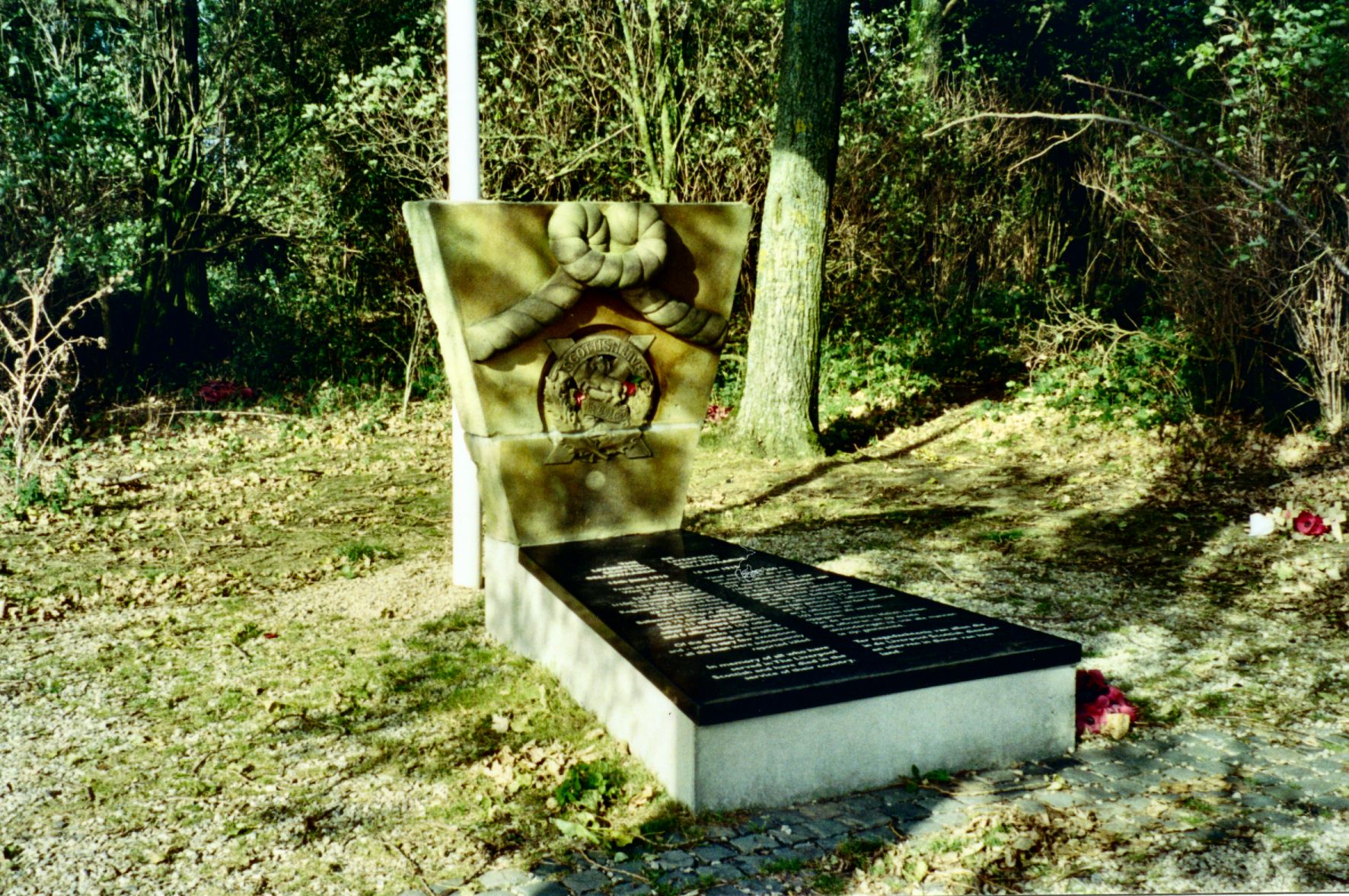
- memorials to John McCrae and his poem,
- Essex Farm Cemetery with graves from 1915–1917,
- information boards explaining the history of the site.
For many years after the war the bunkers were flooded and inaccessible. In the 1990s the town of Ypres bought and restored them, so visitors can now look around freely.
Frequently asked questions
Where is Site John McCrae? In Boezinge, north of Ypres town centre, in West Flanders, Belgium. Coordinates: 50.87186, 2.87322.
Can you enter the bunkers? They have been restored and are open to visitors, in the same area as Essex Farm Cemetery.
Why does it matter? It is widely believed to be where one of the best-known poems of the war was written, and it recalls the work of medical staff on the Western Front.
Is there an entrance fee? Nothing indicates a charge, but check current details with the Ypres tourist office.
Who should visit? Anyone interested in First World War history, literature, or remembrance. A visit is usually short, so it combines easily with sightseeing in Ypres and other memorials nearby.
Nearby places

Earn badges for the places you visit
Download NextOnTrip, discover new places and check off your trails.