About this place
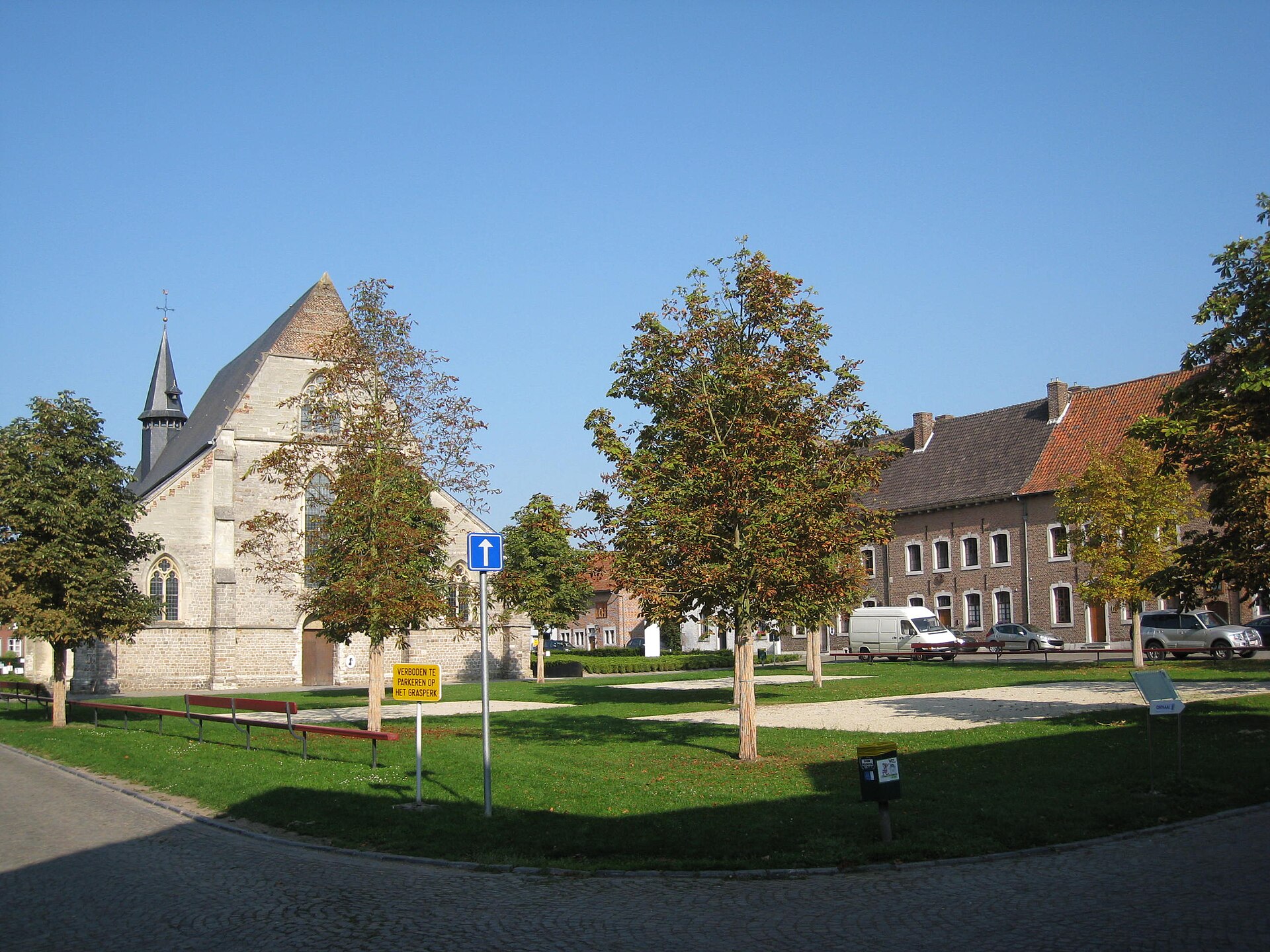
Sint-Agnesbegijnhof is a former beguinage in the Belgian town of Sint-Truiden, in the province of Limburg, and part of the UNESCO World Heritage listing. It sits at coordinates 50.82111, 5.19333 and belongs to a group of a dozen or so Flemish beguinages jointly recognized by UNESCO in 1998.
How did this place come to exist?
The beguinage of Sint-Truiden was founded in 1258 on land donated by abbot Willem van Rijckel of the nearby Benedictine abbey of Saint Trudo. Before the settlement was built, the beguines — laywomen who followed a religious way of life without taking permanent monastic vows — lived scattered throughout the town. Local clergy viewed this dispersed lifestyle with some unease, preferring to see the women gathered in one supervised location. Abbot Willem van Rijckel addressed this by granting the beguines a plot of land where they could build their own enclosed community, complete with houses, gardens, workshops, and a place of worship.
What was daily life like for the beguines?
At its height, the beguinage housed more than two hundred women. Their way of life sat between the secular and the monastic: they earned a living, most commonly through lacemaking and textile work, prayed together as a community, but were not bound by lifelong vows and could leave at any time, for instance to marry. This model, known in Latin as mulieres religiosae, spread across many towns in what is now Belgium and the Netherlands, and the Sint-Truiden beguinage was one of the larger and better organized examples of the phenomenon in the Limburg region.
What happened to it after centuries of existence?
The community of beguines endured on the site for more than five hundred years, until the end of the 18th century. In 1798, during the period of French revolutionary rule and the confiscation of church property across the Southern Netherlands, the beguinage was nationalized and sold off. This marked the end of the formal religious community at the site, though the built fabric — the houses, the narrow streets, and the church — survived and remained an integral part of the town.
Why is it worth visiting today?
Today, Sint-Agnesbegijnhof ranks among the more important tourist attractions in Sint-Truiden. The site is open to the public during the day, allowing visitors to walk its narrow lanes between historic buildings, get a sense of what this enclosed community of women once looked and felt like, and see architecture that has survived for centuries. Its inscription on the UNESCO World Heritage List in 1998, alongside a dozen or so other Flemish beguinages, confirmed the exceptional value of this type of urban and religious settlement as a testimony to a social phenomenon distinctive to the Low Countries in the medieval and early modern periods.
Frequently asked questions
How does a beguinage differ from a convent? Beguines did not take permanent monastic vows and could leave the community at any time, unlike nuns bound by a lifelong religious rule.
When was the Sint-Truiden beguinage founded? In 1258, on land donated by abbot Willem van Rijckel.
Can the site be visited? Yes, the beguinage grounds are open to the public during the day.
Why is it on the UNESCO list? As one of a dozen or so Flemish beguinages recognized in 1998 as an exceptional testimony to the region's history and architecture.
Nearby places

Earn badges for the places you visit
Download NextOnTrip, discover new places and check off your trails.