About this place
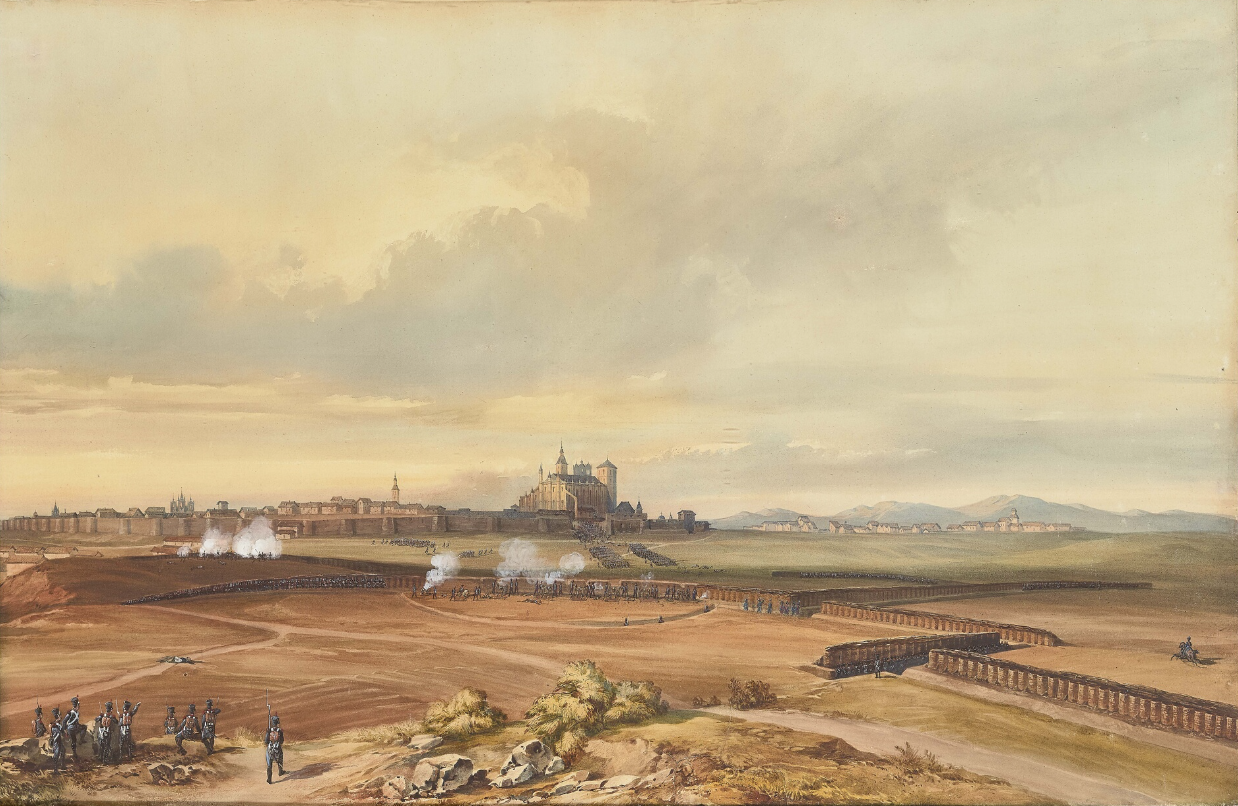
The Siege of Astorga was an episode of the Peninsular War fought within the walls of this town in the León province in 1810, and its memory still lives in the surviving fortifications of old Astorga.
What actually happened at Astorga in 1810?
Astorga sat on the flank of the French invasion of Spain and Portugal, and Napoleon's forces intended to turn it into a headquarters for the wider campaign. The catch was straightforward: the French lacked enough artillery on site to break the town's defenses, and the Spanish garrison holding the walls likewise had no means to force the issue. For several weeks neither side pushed for a decisive clash — both simply waited.
Why did the standoff drag on for so long?
Warfare at the time depended heavily on siege artillery — without heavy guns, punching a usable breach in a stone wall was nearly impossible. Astorga's fortifications, with roots stretching back to Roman and medieval construction, gave the defenders a genuine edge as long as the attacker lacked the right equipment. Everything changed the moment French guns finally reached the town.
How did the siege end?
Once the artillery arrived, French gunners opened a breach in the wall within a short time. That was enough to break the deadlock: the Spanish garrison could no longer hold its position, and the town surrendered on 22 April 1810. With Astorga in French hands, Napoleon's forces secured a key objective for that stage of the campaign.
What can visitors see in Astorga related to this event today?
The town walls, the very target of the French bombardment, survive to a large extent and remain one of the defining features of Astorga's old quarter. Walking along them, it's easy to picture how the defense played out during the Napoleonic era — it is the wall line itself, not a plaque or statue, that stands as the main witness to this history. The town's layout, dating back to Roman times, still serves as a living reference point for anyone interested in the Peninsular War.
Why is this worth a stop when planning a trip through León?
Astorga lies directly on the Camino de Santiago, so a visit to its defensive walls pairs naturally with a stretch of the pilgrimage route. Here, military history overlaps with centuries of pilgrim tradition — an unusual combination that tends to leave a strong impression on travelers interested in Spanish history.
Frequently Asked Questions
When exactly did Astorga fall? The town surrendered on 22 April 1810, shortly after French artillery had opened a breach in the defensive walls.
Who fought in the siege? French forces, operating as part of the Peninsular War campaign, faced off against the Spanish garrison defending the town.
Why did it take so long before an assault actually happened? Neither side initially had enough artillery to break the stalemate — the situation shifted only once the French guns were brought up.
Are any fortifications from that period still standing in Astorga? Yes, the town walls that were the target of the French bombardment have largely survived and can be visited today as part of old Astorga.
Nearby places

Earn badges for the places you visit
Download NextOnTrip, discover new places and check off your trails.