About this place
Siega Verde is a rock art site near Villar de la Yegua, in the province of Salamanca, right on the border with Portugal. Together with the Côa Valley on the Portuguese side, it forms a single transboundary UNESCO World Heritage property — one of the rare cases where two countries share a listing built around the same prehistoric heritage.
What will you see there?
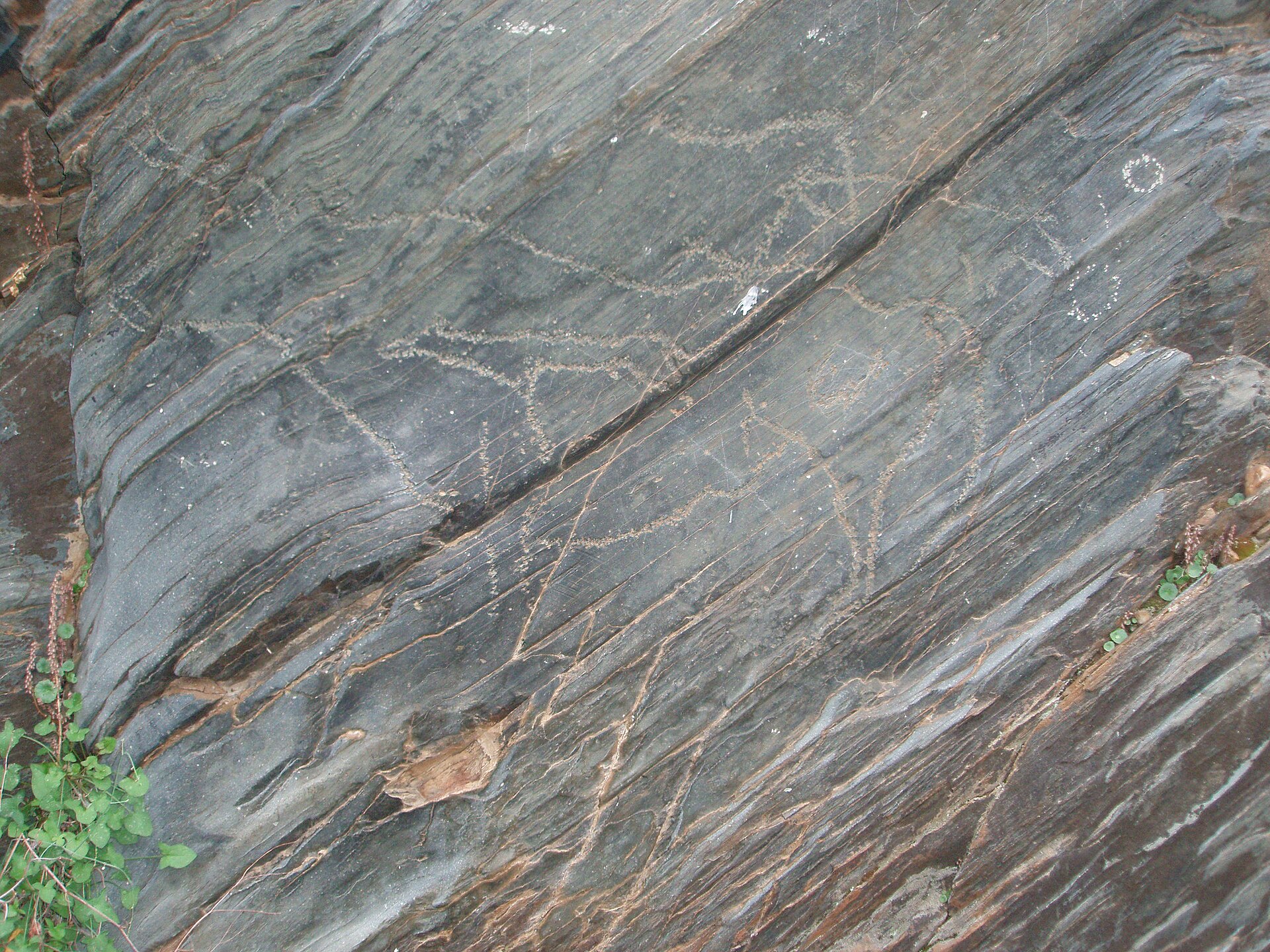
Along the river valley, rock surfaces carry engravings made by prehistoric people. These carvings — not buildings or ruins — are the reason the site exists as a destination. What makes Siega Verde significant is its scale and continuity: similar motifs recur across dozens of rock panels scattered through the valley, making it one of the most important open-air rock art complexes on the Iberian Peninsula. Its joint listing with the Côa Valley reflects the idea that both locations belong to the same story of prehistoric communities living along what is now the Spanish-Portuguese border.
The surrounding landscape is rugged and sparsely developed — a river valley flanked by rocky slopes and small rural settlements. It is easy to picture why early communities chose exactly these places to leave their marks.
How do you get there?
Siega Verde lies within the municipality of Villar de la Yegua, in the western part of Salamanca province, close to the Portuguese border. Given its remote, border location and rocky terrain, driving is by far the most practical way to reach it, since public transport in the area is limited. Most visitors set out from the city of Salamanca, following roads that lead toward the province's western edge.
When should you visit?
Because the site is entirely outdoors, weather matters. Spring and autumn offer the most comfortable conditions, avoiding both the intense summer heat typical of this part of Spain and the colder, wetter winter months. It's worth checking access arrangements in advance — sites with this kind of rock art are often visited only through guided tours, a measure meant to protect fragile rock surfaces from erosion and damage.
Why is it worth visiting?
Siega Verde appeals to travelers drawn to archaeology and deep history rather than conventional monument-hopping. There are no grand structures here — instead, visitors get a direct encounter with marks left by people thousands of years ago, in a landscape that has changed remarkably little since then. Its connection to the Côa Valley across the border also makes it easy to build a longer trip around prehistoric rock art on both sides of the frontier.
Frequently Asked Questions
What is Siega Verde? It is a rock art site in Salamanca province, listed as a UNESCO World Heritage Site jointly with Portugal's Côa Valley as a single transboundary property.
Where exactly is it located? In the municipality of Villar de la Yegua, in the western part of Salamanca province, close to the Spain-Portugal border.
What can I expect to see on site? Engravings carved into rock surfaces along the river valley — traces of art left by prehistoric communities.
Do I need a guide to visit? Access to many of the rock panels is regulated to protect them, so it's best to check local visiting rules and guided-tour requirements before you go.
Nearby places

Earn badges for the places you visit
Download NextOnTrip, discover new places and check off your trails.