About this place
Santa Maria de Solius is a Cistercian monastery in the village of Solius, part of the municipality of Santa Cristina d'Aro in the Baix Empordà region of Girona province. The monastic community settled here in 1967, right beside the much older parish church of Santa Agnès de Solius, and together the two buildings form a complex listed in Catalonia's inventory of architectural heritage.
What's the history behind this site?
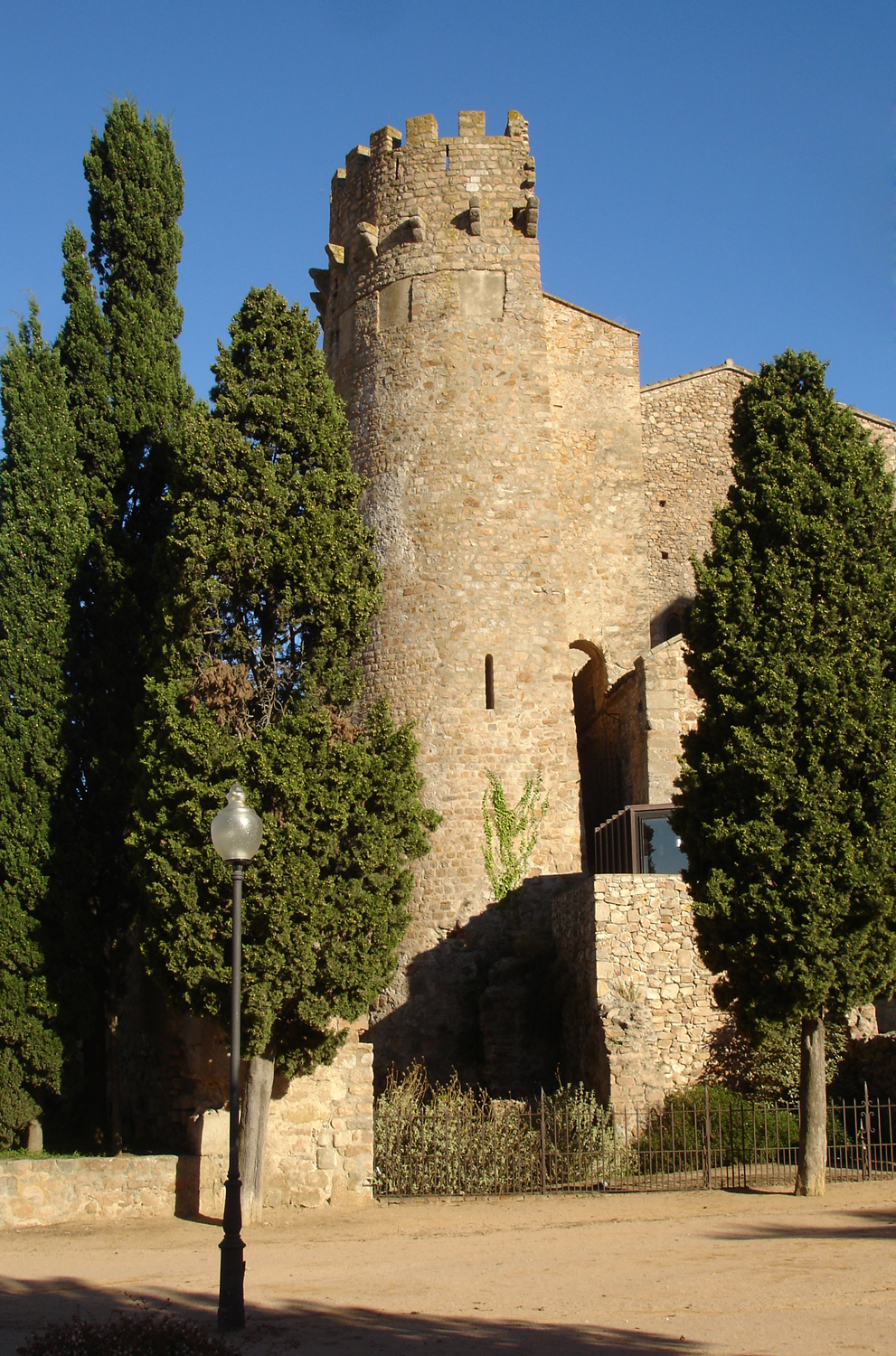
The church of Santa Agnès de Solius has a far longer history than the monastery next to it. It first appears in written records in 1103, in a donation made by Count Ramon Berenguer III and his wife to the monastery of Sant Feliu de Guíxols, though historians believe the building's origins go back further, possibly to the 10th or 11th century. The church visible today largely dates from a rebuilding carried out between 1773 and 1782. During that work the base of the original Romanesque bell tower was kept intact, while the tower's current, taller upper section was only added between 1829 and 1831. Inside, the church has a single nave covered by a lunette vault, side chapels, and a polygonal apse closing off the sanctuary.
The modern Cistercian monastery, founded in the second half of the 20th century, follows a life centred on prayer and contemplation. The monks also run a bookbinding workshop and maintain a permanent exhibition of Christmas nativity dioramas that can be visited year-round, which has become one of the site's more unusual draws for visitors who aren't necessarily pilgrims.
How do you get to Santa Maria de Solius?
The monastery sits in the heart of Solius, a small settlement within the municipality of Santa Cristina d'Aro, a short distance inland from the Costa Brava coastline. Arriving by car is by far the easiest option, since Solius lies close to the main roads connecting Santa Cristina d'Aro with neighbouring towns in Baix Empordà — making it a straightforward day-trip destination from Girona, Sant Feliu de Guíxols, or Platja d'Aro. Because access can depend on the community's schedule, it's worth confirming directions and timing directly with the monastery before setting off.
What will you see on a visit?
A visit typically takes in the monastery church, the surrounding gardens, and the nativity diorama collection mentioned above. The church itself is a good example of how Catalan rural religious buildings accumulate layers over centuries: its two-part bell tower, with a Romanesque base carrying a later, classicist upper stage, tells the story of the 1770s rebuild at a glance.
When should you plan your visit?
The monastery welcomes visitors every day of the year, with opening hours from 11:00 to 12:30 and again from 15:00 to 17:30. Because it's an active religious community, only small groups are admitted, and visits need to be arranged in advance by phone. There's no fixed admission fee — entry is by voluntary donation. The run-up to Christmas is a particularly rewarding time to visit, when the nativity dioramas take centre stage, though the church and monastery are open to visitors throughout the year.
Frequently asked questions
Do I need to book in advance? Yes. Because this is an active monastic community, only small groups are received, and visits must be arranged beforehand by phone with the monastery.
Is there an entrance fee? There's no set ticket price — entry is based on a voluntary donation.
What's the difference between the monastery and the nearby Santa Agnès church? They're two distinct but adjoining buildings: the church of Santa Agnès dates back to the Middle Ages, first documented in 1103, while the Cistercian monastery itself was only founded in 1967.
Can the nativity dioramas be seen outside of December? Yes, the diorama exhibition is a permanent feature of the monastery and can be visited year-round during regular opening hours.
Nearby places

Earn badges for the places you visit
Download NextOnTrip, discover new places and check off your trails.