About this place
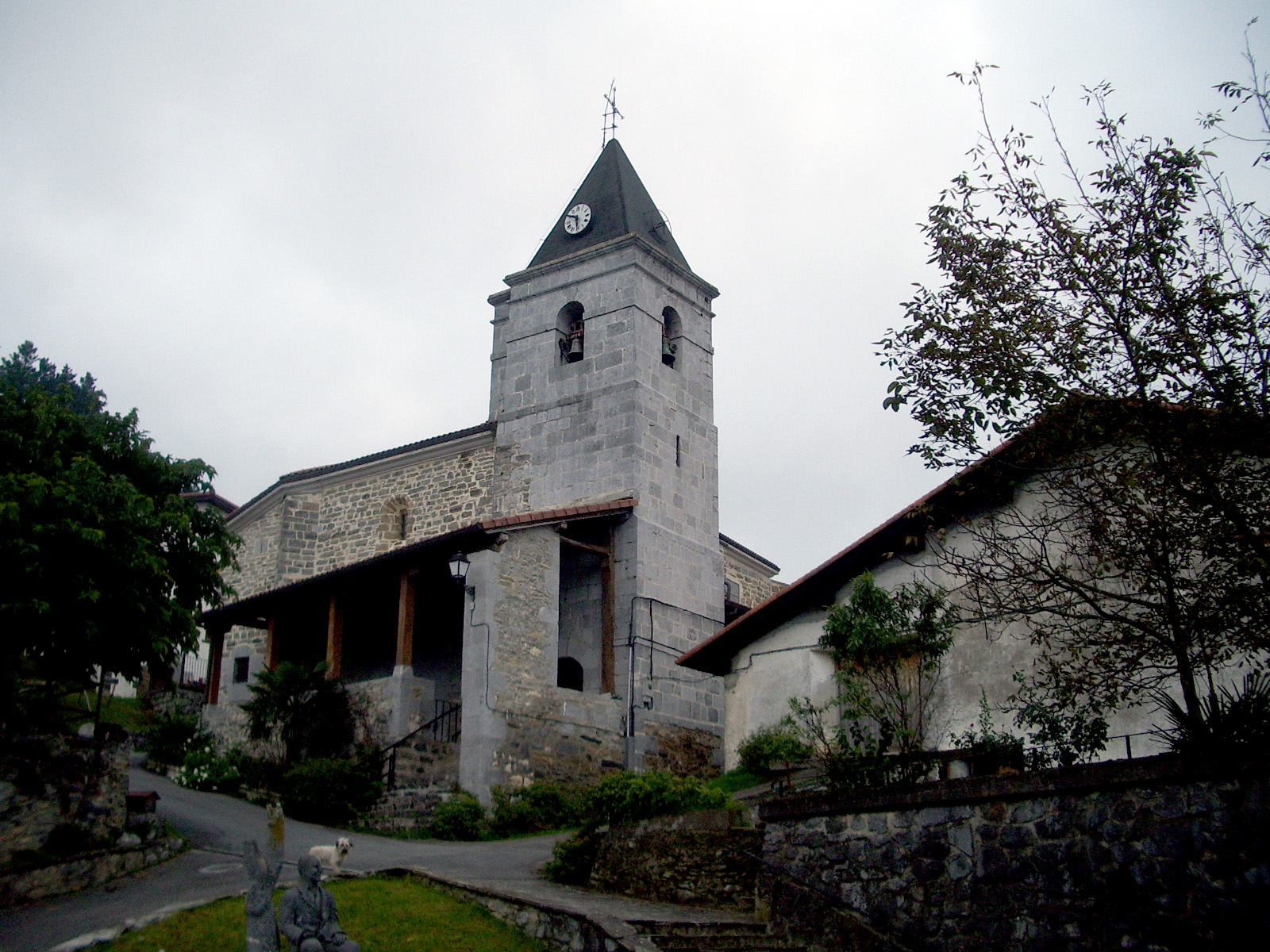
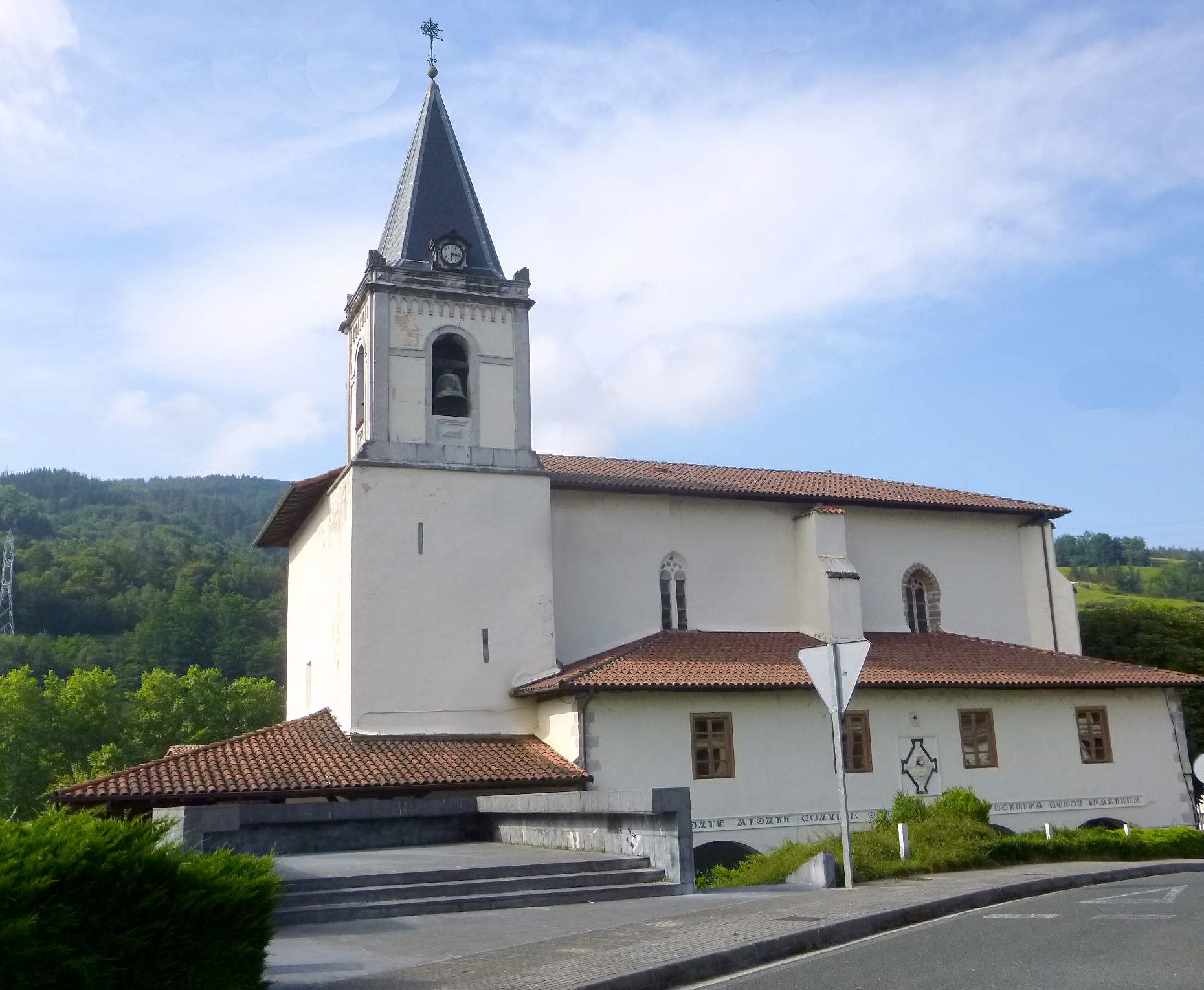
Santa Kutz eliza (Church of Santa Cruz, also known by its Basque name Gurutze Santuaren eliza) is a 16th-century parish church in Orexa, one of the smallest and least populated municipalities in Gipuzkoa, right on the border with Navarre.
What is the story behind the church?
The building went up in several construction phases, which explains its slightly irregular but coherent shape. From the outside, the most recognisable feature is a square bell tower rising above the small village. Inside, the church follows a single-nave, rectangular layout that ends in an apsidal recess housing the main altarpiece.
What can you see inside?
The centrepiece is a Renaissance altarpiece by Juan de Basayaz. Its composition is built around a central monstrance and a three-part tabernacle flanked by polychrome figures of Saint Peter and Saint Paul. Along the sides of the nave stand two smaller altars, one dedicated to the Virgin Mary and the other to Saint John the Baptist. A separate, finely worked altar holds another Renaissance retable containing an oil painting of the Coronation of the Virgin. Together these pieces make Santa Kutz eliza one of the more rewarding stops for religious art among the small rural churches of Gipuzkoa.
What else is nearby?
Right beside the church stand two buildings tied to its parish history: Erretoretxea, the former rectory, and Seroretxe. The facade of the latter still carries a sundial dated 1850, a small but telling detail of how time was once kept in the village. Orexa itself is a tiny rural settlement tucked into inland Gipuzkoa, offering a quiet setting and views over the Basque hills, well away from the busier coastal towns.
How do you get there, and when is the best time to visit?
Orexa sits in the interior of Gipuzkoa, close to the Navarre border, and is best reached by car via the local roads connecting it to neighbouring villages of the Tolosaldea valley. Given its very small population, tourist infrastructure is minimal, so it makes most sense to fold a visit into a wider tour of the surrounding Basque villages rather than treat it as a standalone destination. The church is best seen during daylight hours, when light falls well into the apse around the main altarpiece; the season matters less than the time of day, though spring and early autumn offer the most comfortable conditions for exploring on foot.
Frequently asked questions
How old is the church in Orexa? It dates back to the 16th century and was expanded over several building phases, which is still visible in its layout.
What is the most valuable feature inside? The main Renaissance altarpiece by Juan de Basayaz, with its central monstrance and figures of Saint Peter and Saint Paul.
Is there anything else to see near the church? Yes — the adjoining Erretoretxea and Seroretxe buildings, the latter still bearing a sundial dated 1850.
Is Orexa well set up for visitors? It is a very small rural municipality with limited tourist infrastructure, so it is best combined with visits to nearby Gipuzkoa villages.
Nearby places

Earn badges for the places you visit
Download NextOnTrip, discover new places and check off your trails.