About this place
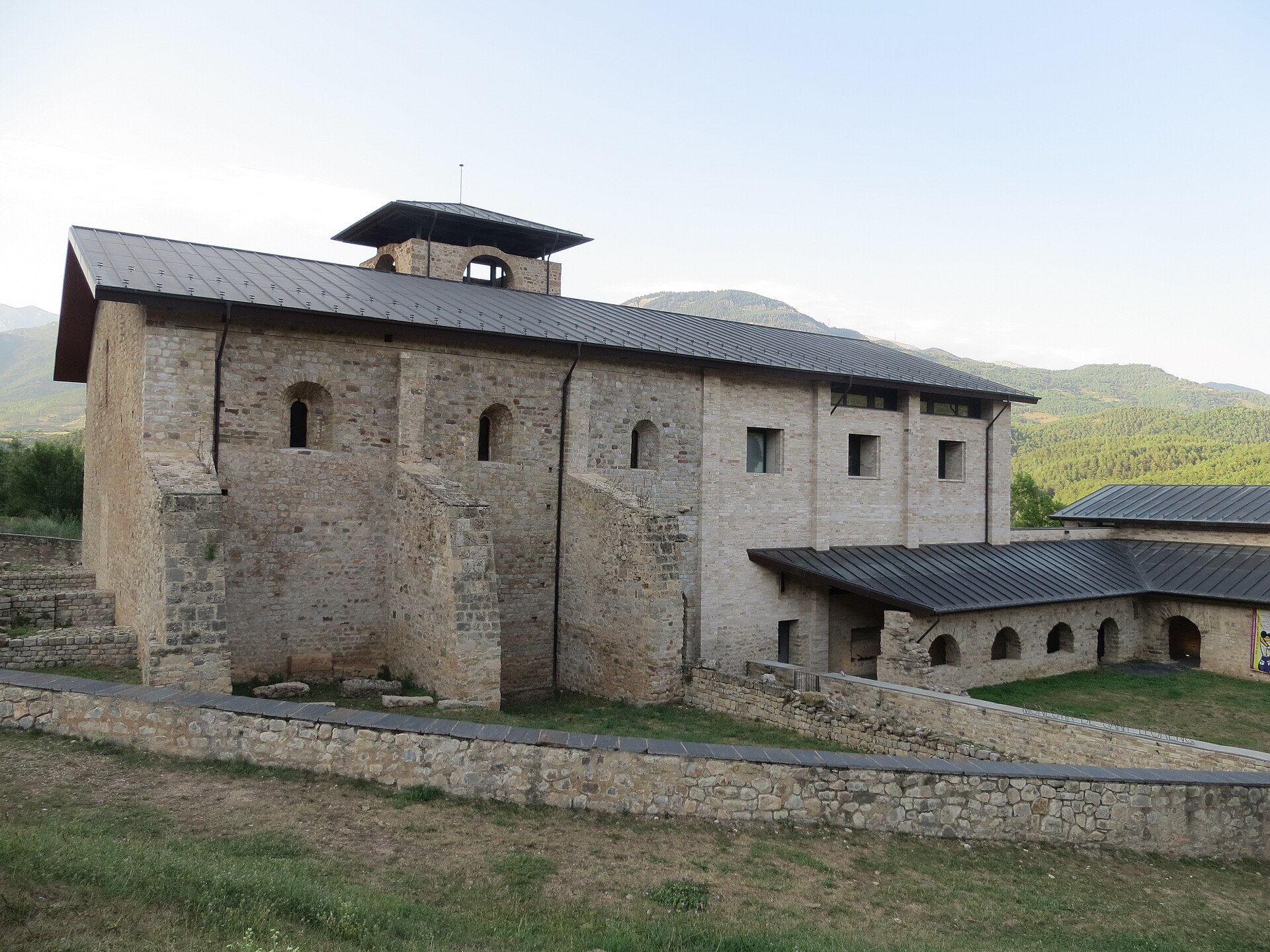
Sant Sebastià del Sull is a ruined Benedictine monastery in the municipality of Saldes, in the Berguedà comarca of Barcelona province, Catalonia, at the foot of the Pedraforca massif. Only fragments of the original structure survive today, but the site remains one of the more notable Romanesque remains in this part of the Catalan Pyrenees.
Where exactly is the site?
Saldes is a small village in Berguedà, known mainly as a gateway to hiking routes around Pedraforca. The ruins of the former monastery sit within the municipal boundary, away from the busier trailheads, which means visitors here are typically travelers with a specific interest in local history rather than casual sightseers passing through.
What is known about its history?
A monastery was first raised on this spot in the 9th century, built in the Romanesque style that was then spreading through Catalan religious architecture. Over the following centuries, the building went through several rounds of renovation, a pattern common to monastic sites that stayed in continuous use for generations. At some point the structure came down, and in the 15th century it was rebuilt. That reconstruction marks the last major documented phase in the monastery's life, before it was eventually left to decay into the ruin seen today.
What did the excavations reveal?
Between 1971 and 1977, archaeologist Manuel Riu Riu carried out a series of digs at the site. His work uncovered a building layout considered unusual for monastic architecture in the region, along with a Romanesque-era burial ground now regarded as one of the more significant necropolises of its kind in Catalonia. Together, these finds shed light both on how the monastery itself was originally laid out and on the burial customs tied to the community that once lived there.
What can visitors expect to find today?
What remains is a set of ruins - wall fragments and foundations brought to light during the archaeological campaigns of the 1970s. There is no standing building to explore in the conventional sense; the site's value lies in its history and archaeology rather than in an intact structure. For visitors, that translates into a quiet, low-key stop set against the mountain scenery of Berguedà, well away from crowds.
When is the best time to visit?
Given its mountain setting and the lack of amenities found at larger attractions, spring and autumn tend to offer the most comfortable conditions - milder than the summer heat of the Catalan Pyrenees and easier underfoot than winter. Many visitors combine a stop at the ruins with a longer outing toward Pedraforca, which remains the main draw for travelers passing through Saldes.
Frequently asked questions
What was Sant Sebastià del Sull? A Benedictine monastery built in the 9th century in the Romanesque style; after collapsing, it was rebuilt in the 15th century and today survives only as ruins.
Where exactly are the ruins located? In the municipality of Saldes, in the Berguedà comarca of Barcelona province, near the Pedraforca massif.
What did the archaeological excavations find? Digs carried out by Manuel Riu Riu between 1971 and 1977 uncovered an unusual building layout and an important Romanesque-era necropolis.
Can the site be visited today? Yes, though there is little tourist infrastructure on site - it appeals mainly to visitors interested in regional history and archaeology.
Nearby places

Earn badges for the places you visit
Download NextOnTrip, discover new places and check off your trails.