About this place
San Juan Bautista de Corias is a former Benedictine monastery in Corias, part of the municipality of Cangas del Narcea in Asturias, Spain. Standing on the right bank of the Narcea River, the building has carried the dedication to Saint John the Baptist for centuries. Because of its scale and historical weight, locals sometimes call it the "Asturian Escorial" — a nod to the famous royal monastery-mausoleum near Madrid.
Why is this place worth a visit?
Corias is one of the few sites in Asturias where royal history and monastic life meet directly. King Bermudo I of Asturias and members of his family were buried within the monastery complex, which gives the site a place of real importance on the map of Asturian history. The fact that a small settlement on the Narcea holds a royal burial ground alone makes it more than a local religious landmark — it's a genuine historical anchor for the whole region.
How do you get to Corias?
Corias sits within the municipality of Cangas del Narcea, in western Asturias. Driving is by far the most practical option — the route runs through the Narcea river valley, one of the more scenic stretches of this mountainous part of the region. Cangas del Narcea itself is the natural reference point for planning the trip; from the town center, the drive out to Corias takes only a few minutes. It's worth setting aside time not just for the monastery itself but for the drive there, since the banks of the Narcea rank among the more photogenic corners of inland Asturias.
What will you see on site?
The main draw is the former abbey complex — a building that for centuries served as a center of monastic life while also holding the tomb of a key figure from early medieval Asturias. Its position on the riverbank means the monastery's architecture sits naturally within the river landscape, which is itself an appeal for travelers looking for quieter, less crowded stops on an Asturian itinerary. This is a destination for people drawn to regional history rather than the more conventional coastal attractions further north.
When is the best time to visit?
Asturias has an Atlantic climate: mild year-round but prone to frequent rain. Late spring and early autumn are when the Narcea valley looks greenest and temperatures are most comfortable for walking around the site. Summer tends to be warmer and drier, making it easier to combine a visit with longer trips around the Cangas del Narcea area, including its vineyards and mountain trails. Winter brings cooler, damper weather typical of inland Asturias, so pack accordingly.
What else can you pair with a visit?
Cangas del Narcea is also known for wine production — it's the only wine region in Asturias with its own protected designation of origin. A stop at Corias pairs naturally with a walk through the town of Cangas del Narcea and a tasting of the local wines. The area also works well as a starting point for further trips into the mountains and nature parks of western Asturias.
Frequently Asked Questions
What exactly is San Juan Bautista de Corias? It's a former Benedictine monastery in Corias, part of the municipality of Cangas del Narcea, standing on the Narcea River and dedicated to Saint John the Baptist.
Why is it called the "Asturian Escorial"? Because King Bermudo I of Asturias and his family were buried there, echoing the royal burials at Spain's Escorial monastery.
How do I get to Corias? The easiest way is by car through the Narcea valley, using Cangas del Narcea as your reference point — it's just a few minutes' drive from the town center.
Is it worth combining with other attractions nearby? Yes — Cangas del Narcea is Asturias' recognized wine region, and the surrounding area offers riverside trails and access to the mountains of western Asturias.
Nearby places
-
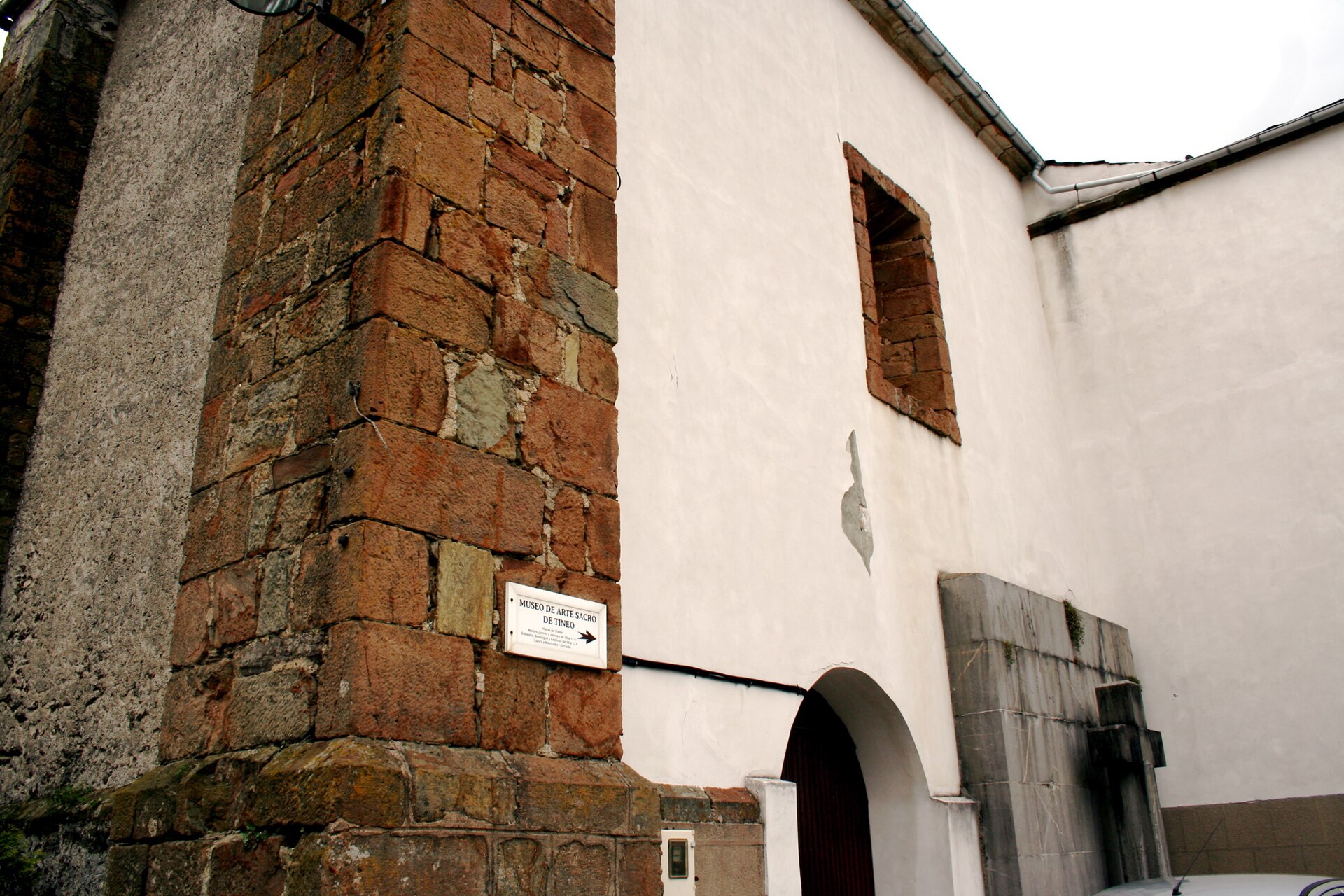
Sacred Art Museum of Tineo
Tineo/Tinéu
-
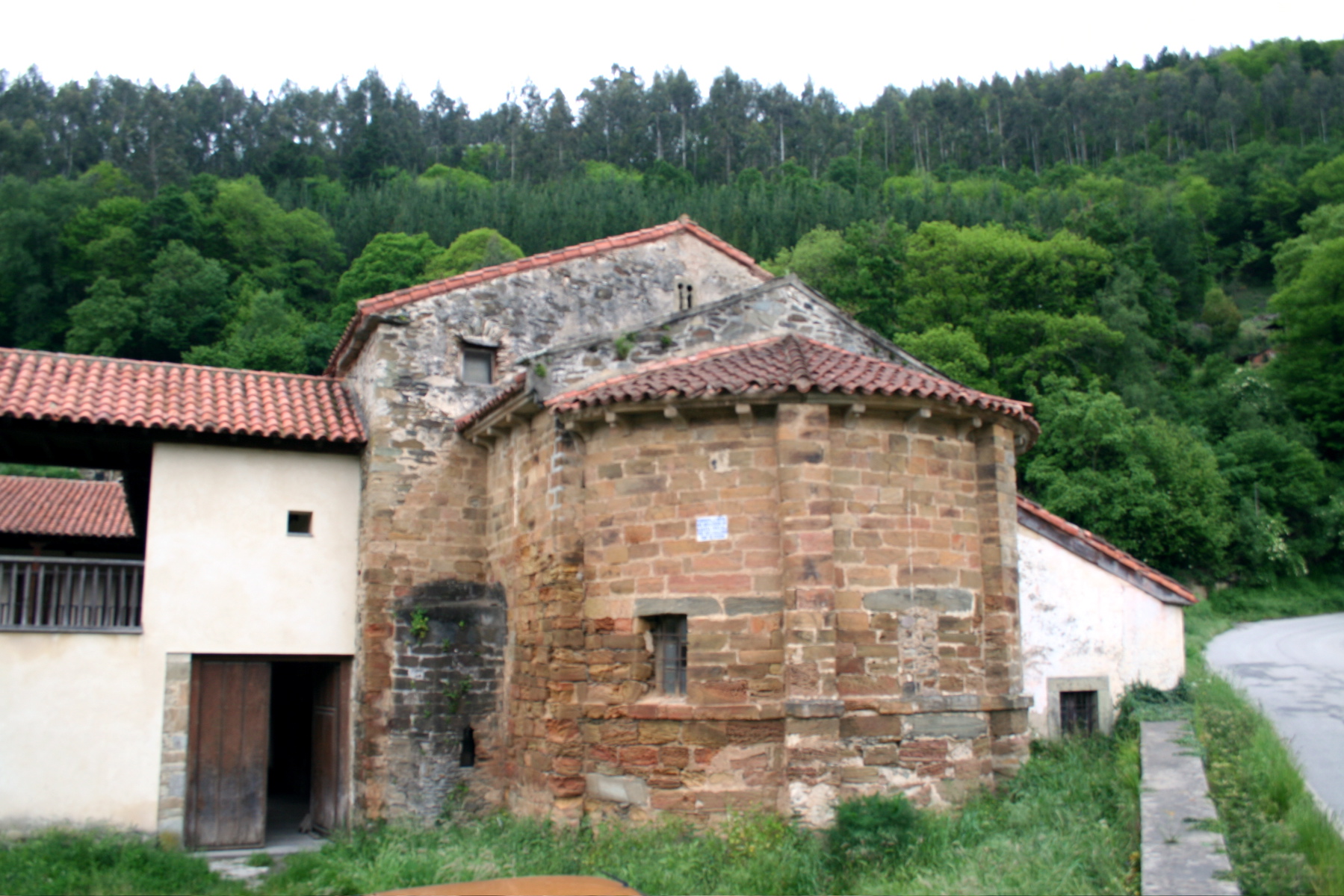
Church of the Monastery of San Miguel de Bárcena
Tineo
-

Igrexa de Santa María de Rao
Navia de Suarna
-
Monasterio de Santa María de Villanueva de Oscos
Villanueva de Oscos
-
Igrexa de Santiago de Castañedo
Navia de Suarna
-
Igrexa de Santo Estevo de Vilarpandín
A Proba
Earn badges for the places you visit
Download NextOnTrip, discover new places and check off your trails.