About this place
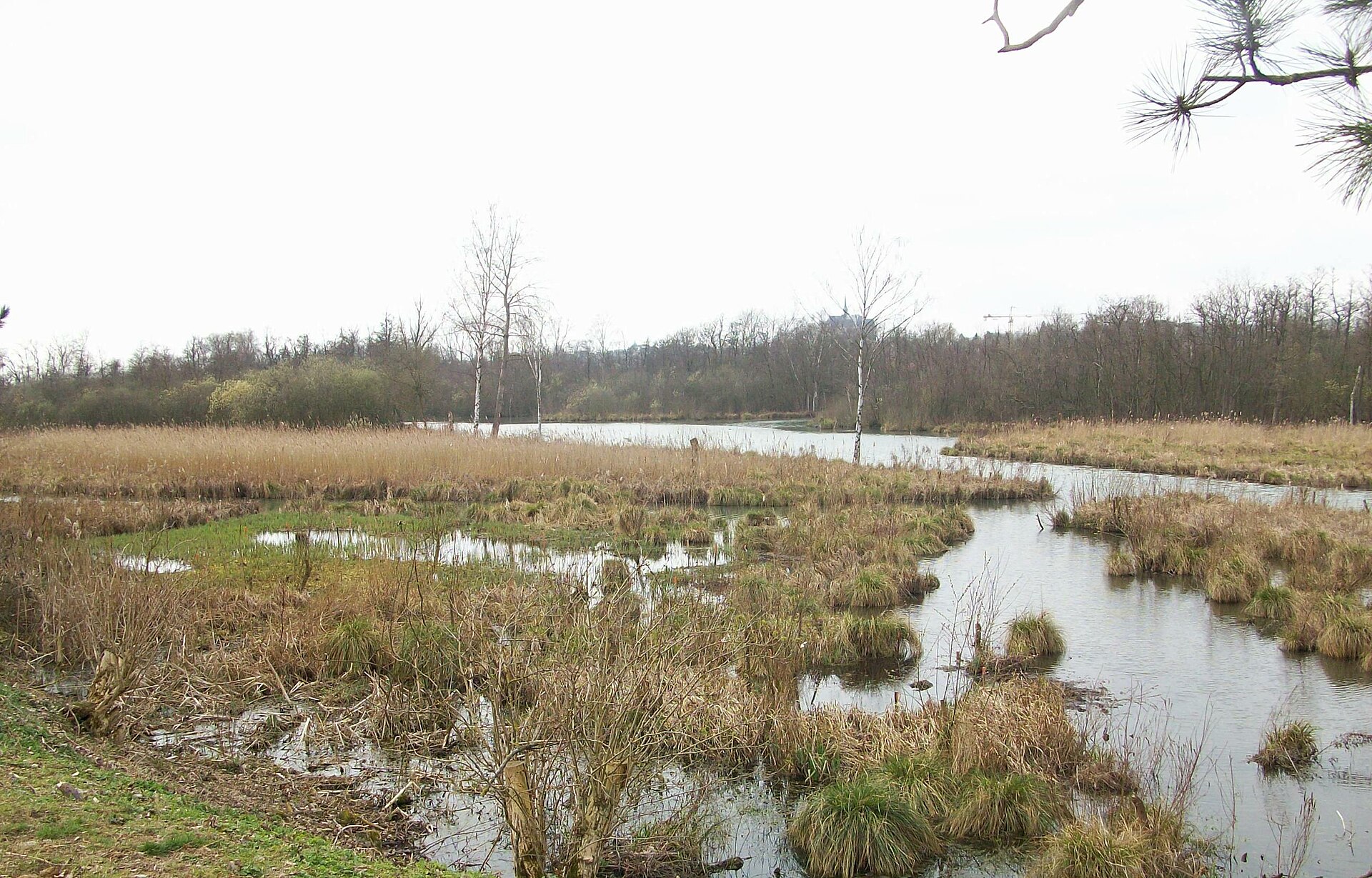
The Réserve naturelle nationale des marais d'Isle is a national nature reserve set right in the heart of Saint-Quentin, in the Hauts-de-France region, within the grounds of the Parc d'Isle. What makes it stand out is its location: this is the only nature reserve in France situated directly in a city centre, yet it still preserves the character of a genuinely wild wetland ecosystem.
Where is the reserve located?
The Marais d'Isle lies in Saint-Quentin, in the Aisne department. The site is crossed by the Somme river, which feeds a network of marshes, ponds and wet meadows across the reserve. This close relationship with water is what makes the area so rich in species tied to aquatic and wetland habitats.
When was the site protected?
The site was granted national nature reserve status in 1981, covering a protected area of 47 hectares. Since 2008, part of the reserve has carried additional protection as a Special Protection Area (ZPS) under the European Natura 2000 ecological network, underlining the site's importance for migratory and breeding birds at a continental scale.
What species can be found here?
The Marais d'Isle is a genuine biodiversity hotspot. Naturalists have recorded more than 150 plant species on the site, including rarities such as greater water-parsnip (Sium latifolium), coloured pondweed, and hemlock water-dropwort (Oenanthe crocata) — a species so scarce that this reserve holds one of its last viable populations.
The wildlife is equally compelling. Among the reedbeds, visitors may spot a bluethroat, a small bird recognisable by its vivid blue throat patch, which uses the site as a stopover during migration or as a breeding ground. The ponds are home to the palmate newt, and roe deer can also be found across the reserve, finding quiet refuge here despite the proximity of the urban surroundings.
Why is this place so unusual?
The fact that a national nature reserve operates directly within a city centre makes the Marais d'Isle a rarity on a national scale. Rather than being tucked away far from civilisation, this wild landscape sits right alongside everyday life in Saint-Quentin, giving residents and visitors a rare chance to encounter nature without leaving the city.
The site also plays an important ecological role as a migratory stopover for numerous bird species crossing Europe. Its mosaic of marshes, ponds and aquatic vegetation supports both resident wildlife and species that pass through only seasonally.
Who manages the reserve?
Ecological management of the site is shared between the Communauté d'Agglomération du Saint-Quentinois and the Conservatoire d'espaces naturels (Picardie Nature). Their work includes species monitoring, habitat protection, and balancing public access with the needs of conservation.
Frequently asked questions
Can the reserve be visited? The Marais d'Isle sits within the Parc d'Isle, a publicly accessible part of Saint-Quentin, making it an easy place to walk through and observe nature right in the middle of the city.
How large is the reserve? The protected area covers 47 hectares of wetland habitat.
Since when has the site been protected? It received national nature reserve status in 1981, with additional Natura 2000 protection added in 2008.
Which species are considered especially valuable here? Hemlock water-dropwort stands out as one of the most significant, since the Marais d'Isle hosts one of its last stable populations, alongside numerous wetland bird species.
Earn badges for the places you visit
Download NextOnTrip, discover new places and check off your trails.