About this place
Psí kuchyně is a nature reserve in the eastern part of the Czech Republic, straddling the Svitavy and Ústí nad Orlicí districts and covering land around the villages of Janov, Opatov and Semanín. The name is unusual for a protected area, but behind it lies one of the more valuable stretches of deciduous and mixed forest in this part of the country.
How did protection of the area develop?
Proposals to place Psí kuchyně under legal protection date back to the 1960s, yet formal status only arrived in 1994, when the site was declared a nature monument covering just under 36 hectares. Five years later, in 1999, the designation was upgraded to a nature reserve and its area expanded substantially, to nearly 117 hectares. The most significant enlargement followed detailed habitat mapping, which brought the reserve to its current extent of roughly 274 hectares. Around the turn of 2011 and 2012, the site was also added to the European list of sites of Community importance, underlining its ecological value beyond national borders.
What exactly is being protected here?
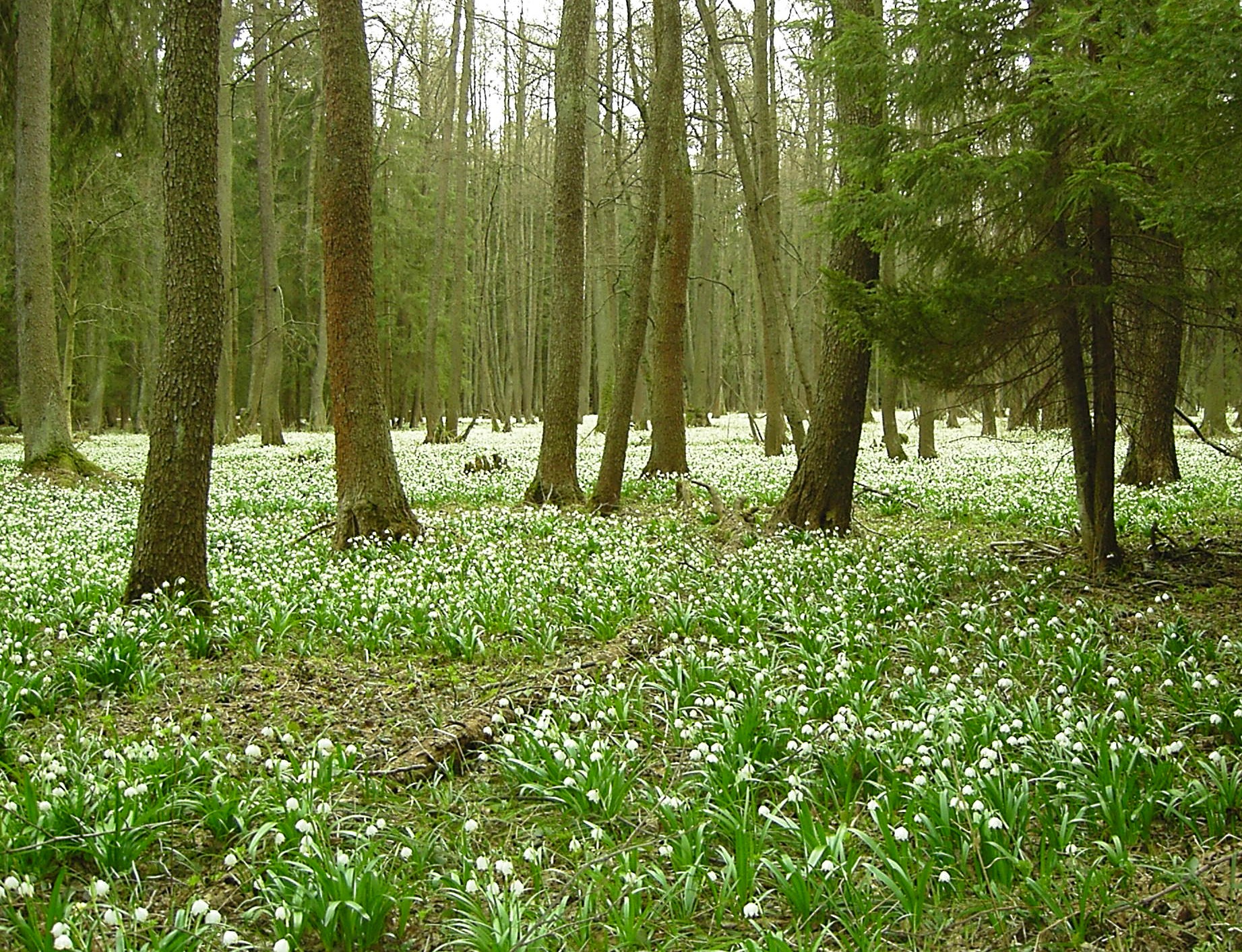
The main conservation targets are moisture-loving tall-herb communities along forest edges, species-rich beech forests of the Asperulo-Fagetum type, and ash-alder floodplain forests growing along watercourses. These are habitats sensitive to changes in water regime and land management, which is why keeping them in a near-natural state requires continuous oversight.
Which trees grow in Psí kuchyně?
European beech and Norway spruce dominate the tree stand, accompanied by sessile oak, sycamore maple and common ash. This mix of species gives the forest a varied vertical structure that stands in clear contrast to the single-species plantations found elsewhere in the region. The diversity of tree species also supports a rich forest floor and provides living conditions for numerous organisms tied to older, moisture-rich woodland.
Who manages the reserve?
The site is administered by the Nature Conservation Agency of the Czech Republic (AOPK ČR), which monitors habitat condition and plans conservation measures consistent with the goals for which the area was designated.
Frequently asked questions
Where exactly is Psí kuchyně located? The reserve lies in the eastern Czech Republic, across the cadastral areas of Janov u Litomyšle, Opatov and Semanín, on the border between the Svitavy and Ústí nad Orlicí districts.
Since when has the area been protected? It first gained protected status as a nature monument in 1994. In 1999 it was reclassified as a nature reserve, and its area has since been enlarged several times.
How large is the reserve today? The protected area now covers approximately 274 hectares, considerably more than at its original designation in the 1990s.
Which habitats are most valuable here? The most significant are moisture-loving herb communities, species-rich beech forests, and ash-alder floodplain forests along watercourses — all rare habitats sensitive to changes in moisture conditions.
Does Psí kuchyně have European-level significance? Yes, the site was added to the European network of sites important for nature conservation around 2011–2012, reflecting its ecological value at a continental scale.
Nearby places

Earn badges for the places you visit
Download NextOnTrip, discover new places and check off your trails.