About this place
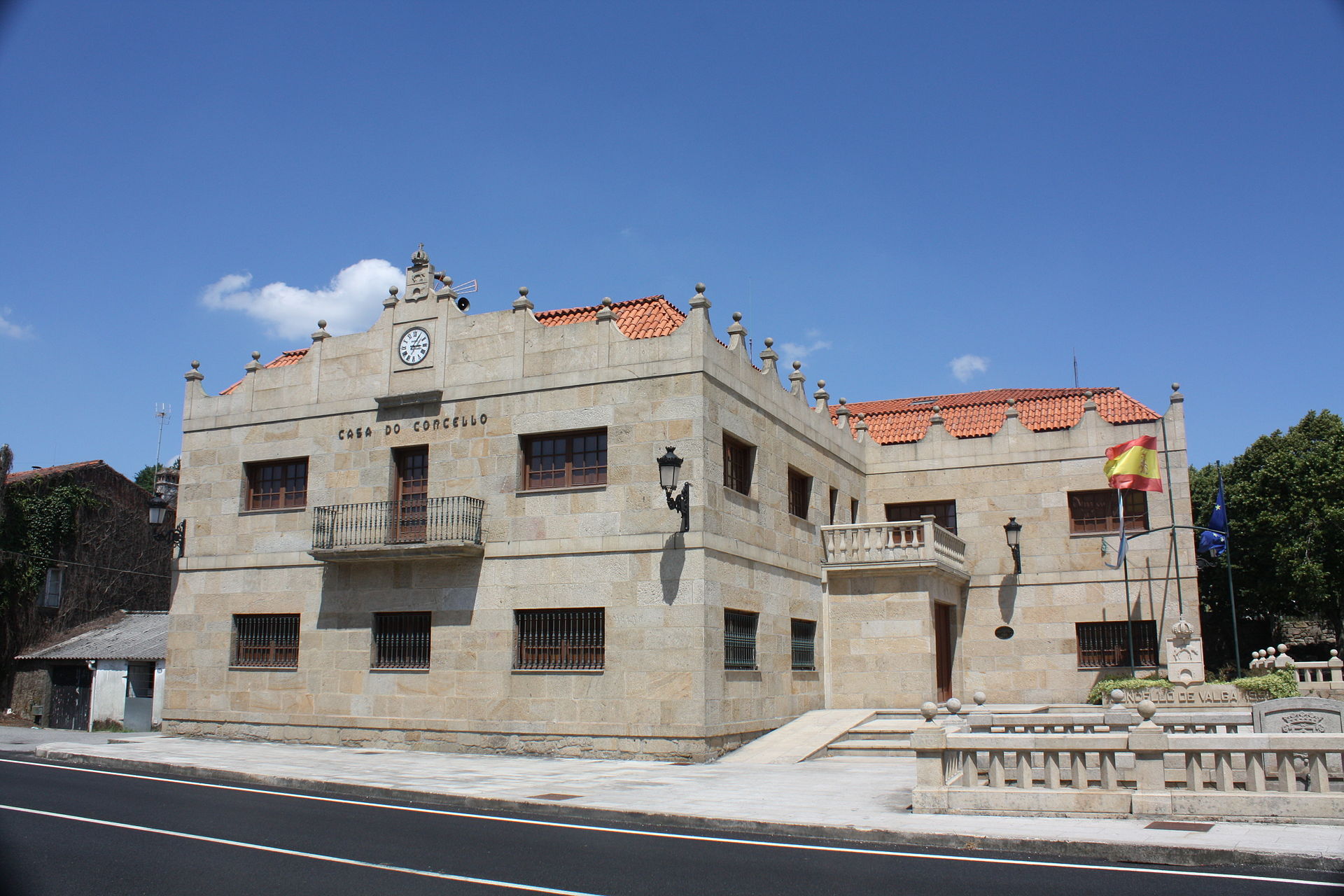
Pontecesures Town Hall serves as the seat of local government for one of the smallest municipalities in the province of Pontevedra, tucked into the Caldas district of Galicia in northwestern Spain. The building sits in the compact centre of a small riverside town on the left bank of the Ulla, a location that has shaped the settlement's identity for centuries as a crossing point and river port.
Where exactly is Pontecesures?
The municipality straddles the natural boundary between the provinces of Pontevedra and A Coruña, with the Ulla river marking that line right at the edge of town. Pontecesures only became an independent municipality in 1926; before that, it was a parish belonging to the neighbouring town of Valga. Today it has a population of just over 3,000, making it one of the smallest municipal councils in the region — yet one with an outsized role on the pilgrim routes to Santiago de Compostela.
Why does the bridge matter so much here?
The town's name comes from the Galician word for bridge, and that's no coincidence. The settlement grew up around a crossing of the Ulla that, in Roman times, functioned as a working river port. Excavations at the site have turned up the remains of oak wooden platforms joined with dovetail notches, along with Roman pottery and coins spanning from the reign of Tiberius to Constantine III — evidence of a settlement that has occupied this spot for close to two thousand years. The bridge itself was rebuilt more than once: medieval tradition credits work on it to Master Mateo, the architect behind the Portico of Glory at Santiago Cathedral, while the structure standing today largely dates from renovations carried out in 1911.
What is Pontecesures' place on the Camino de Santiago?
Pontecesures marks the point where two Camino routes meet: the maritime Camino that follows the Ría de Arousa and the Ulla river, and the Camino Portugués, which brings pilgrims north from Portugal toward Santiago de Compostela. For pilgrims travelling the water route, the town is typically where the boat journey ends and the walk to the saint's tomb begins. That junction gives a small town an outsized presence on the Xacobeo map, and it's a detail many visitors only appreciate once they've walked through it themselves.
What does the town hall itself do?
As the administrative heart of the municipality, the town hall houses the mayor's office and the municipal council, handling the day-to-day governance of the town and its surrounding parishes. It stands within easy walking distance of the riverfront and the old bridge, a layout typical of Galician river towns where civic life has always clustered close to the water. The current mayor of Pontecesures is María Teresa Tocino Barreiro.
Frequently asked questions
Where is Pontecesures located? In the northern part of Pontevedra province, Galicia, on the Ulla river right at the border with A Coruña province.
Is Pontecesures on the Camino de Santiago? Yes — it's the point where the maritime Camino via the Ría de Arousa meets the Camino Portugués heading to Santiago de Compostela.
How long has Pontecesures been its own municipality? Since 1926. Before that, it was a parish within the municipality of Valga.
What does the town hall in Pontecesures do? It's the seat of local government, home to the mayor's office and the town council responsible for the municipality and its parishes.
What's worth seeing near the town hall? The historic bridge over the Ulla and the old river port, with roots going back to Roman times, are both just steps away.
Nearby places

Earn badges for the places you visit
Download NextOnTrip, discover new places and check off your trails.