About this place
Planier Light stands alone on the small Île de Planier, roughly 13 kilometres off the coast of Marseille. It isn't a mass-tourism destination in the usual sense, but it is one of the most recognizable landmarks seen from boats leaving Marseille's harbor, and it draws both sightseeing cruises and diving trips exploring the waters around the island.
What makes this lighthouse notable?
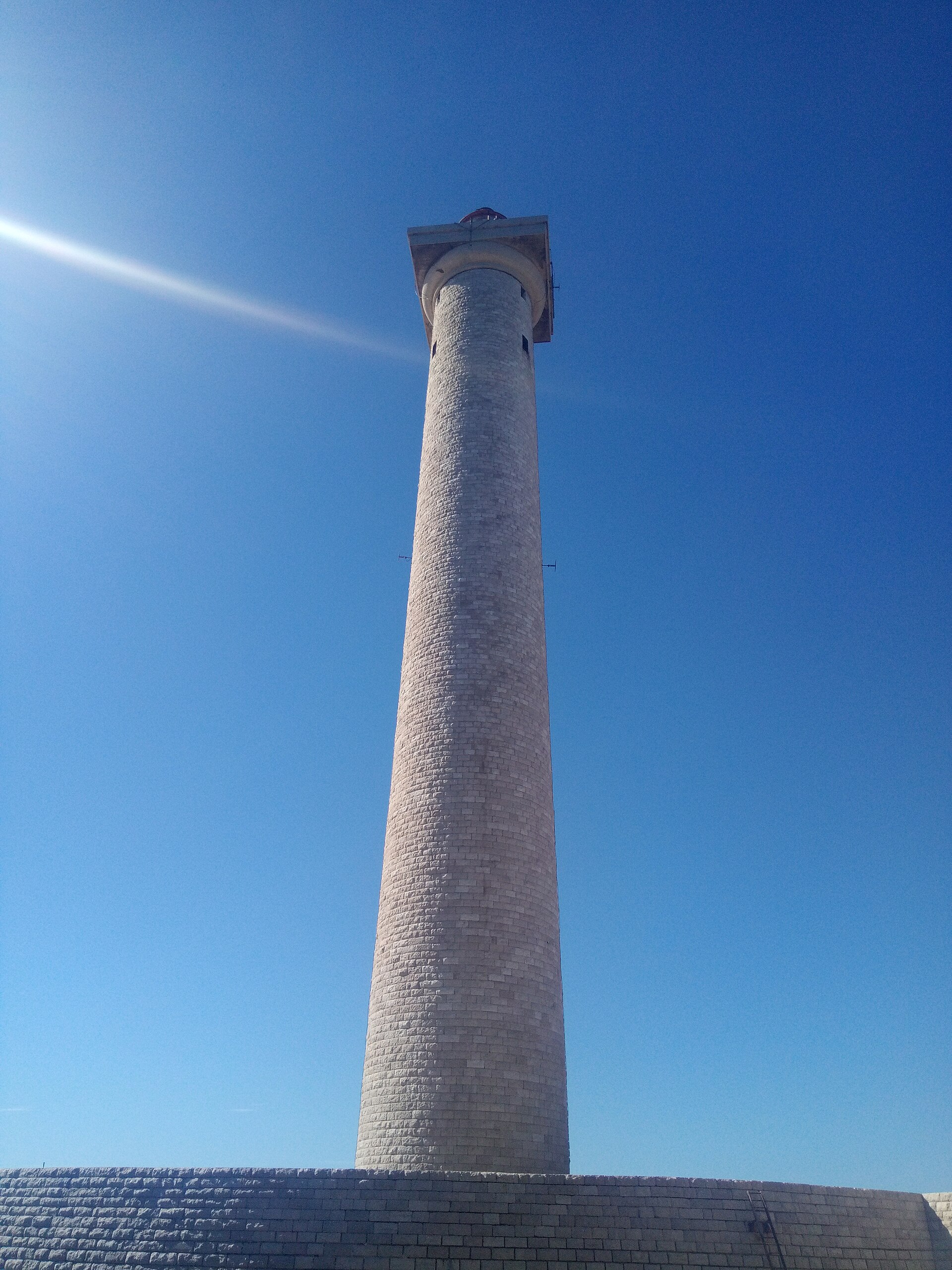
The tower rises 66 metres (216 feet), making it one of the tallest traditional lighthouses in the world — it ranks twelfth globally by height. It sits on its own small island in the Bouches-du-Rhône department, well away from the mainland, which gives it a stark, isolated presence against the open sea. The light remains active, guiding ships around shoals and rocky ground as they approach the Bay of Marseille.
Île de Planier has long been linked to maritime traffic and shipwrecks — the surrounding waters hide several wrecks that attract divers from across Provence. The island itself is small and largely uninhabited, with the lighthouse and its technical outbuildings forming essentially the whole of its infrastructure.
How do you get to Planier Light?
There's no regular ferry service for individual visitors. The main ways to reach the area are by chartering a boat from Marseille or joining a trip run by a local sailing or diving club. Most visitors never actually land on the island — instead, they see the lighthouse from the deck of a boat cruising along the coast toward the Calanques or the Frioul Islands. From central Marseille, the crossing typically takes 40 minutes to an hour, depending on the vessel and sea conditions.
What will you actually see?
The main draw is the tower itself: a tall, slender structure rising almost straight out of the sea, standing out sharply against the flat horizon of open water off Marseille. It's a favorite subject for sailors and anyone interested in maritime architecture. The rocky seabed and nearby wrecks also make the area a popular spot for recreational diving, organized through dive centers based in Marseille. A telephoto lens is worth packing — the lighthouse photographs particularly well against a sunset or morning sea mist.
When is the best time to visit?
The most favorable window for a trip out to Planier runs from May to September, when the sea is calmer and visibility is at its best. Summer conditions suit both scenic boat trips and wreck diving near the island. Outside the summer months, stronger winds and swell can make the crossing difficult, so it's worth checking marine forecasts and charter availability before planning a trip.
The lighthouse also makes a good add-on for anyone spending several days in Marseille — it pairs naturally with a day out toward the Frioul archipelago or along the Calanques cliffs, allowing for one longer day spent entirely on the water.
Frequently asked questions
Can you land on Île de Planier? The island isn't open to general tourism. Access is mostly limited to lighthouse staff and participants of organized boat or diving excursions, usually without the chance to freely explore on foot.
How tall is Planier Light? The tower stands 66 metres tall, placing it among the twelve tallest traditional lighthouses in the world.
Is the lighthouse still operational? Yes, Planier Light is an active aid to navigation, guiding ships toward Marseille.
What's the easiest way to see it without chartering your own boat? The simplest option is a scenic cruise or boat tour from Marseille heading toward the Frioul Islands or the Calanques — the lighthouse is clearly visible from the deck without needing to land on the island.
Nearby places

Earn badges for the places you visit
Download NextOnTrip, discover new places and check off your trails.