About this place
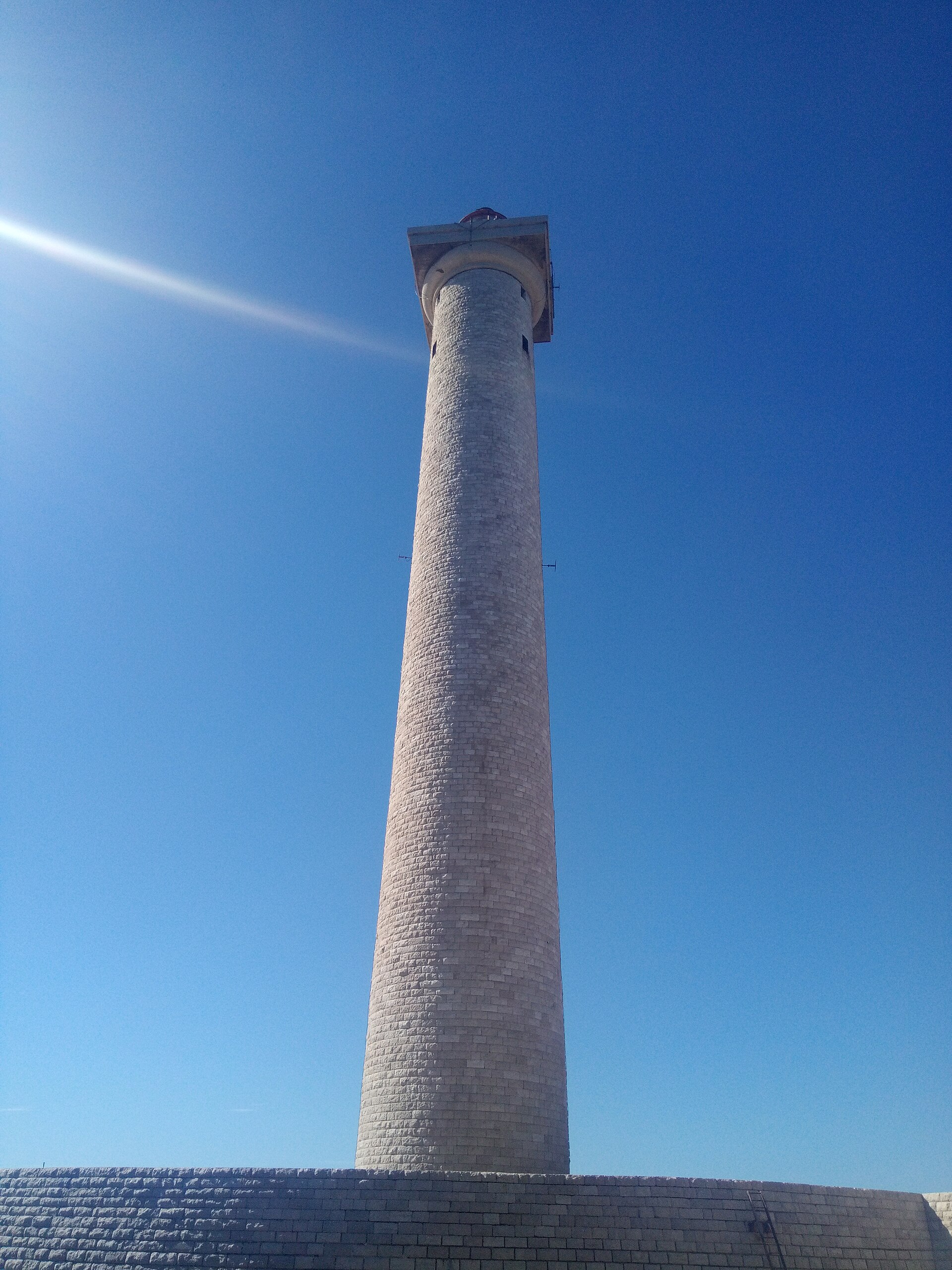
Phare du fort de Bouc is a lighthouse perched on top of an old defensive tower guarding the entrance to the Golfe de Fos, right next to Martigues in the Bouches-du-Rhône department. It sits on a small rocky islet at the mouth of the channel linking the Mediterranean to the Étang de Berre, so visiting it is different from a typical in-town monument — you reach it by boat or along a breakwater, depending on the season and conditions.
What is the history behind it?
The core of the structure is a medieval tower built at the end of the 12th century. In 1444, Charles of Anjou, then lord of the area, had it expanded into a control point protecting the approach to Marseille — mirroring the Tour Saint-Jean on the other side of the bay. The tower reached 26 metres in height and for centuries watched over the passage between the Golfe de Fos and the Étang de Berre.
The real transformation came in the early 17th century. Under Henri IV, from 1605, engineer Raymond de Bonnefons led fortification works based on plans by François Martelleur, enclosing the tower with a defensive wall and building a fort around it. His son, Jean de Bonnefons, carried on the work, and construction was completed in 1610. A further reinforcement came in 1664, when, on the orders of Louis XIV, Vauban added heavy ramparts, making Bouc part of the coastal defence system of Provence.
The tower took on its lighthouse role in 1745, when a navigational light was installed at its summit. The military fort lost its strategic purpose and was decommissioned in 1889 — from that point on, the only permanent resident of the islet was the lighthouse keeper, tasked with keeping the light running for ships heading into port.
What will you see there?
It's a rare combination of military and maritime architecture in a single building: a massive medieval stone tower, wrapped in 17th-century fortification walls, topped by a lighthouse whose beam carries roughly 25 kilometres. Surrounded by water, the fort's silhouette is one of the most recognisable sights at the entrance to the Golfe de Fos, visible both from the Martigues waterfront and from boats heading toward the Étang de Berre.
How do you get there?
The fort stands on a small island at the mouth of the channel, outside the built-up part of Martigues, so it can't simply be reached on foot along a street. The best starting point is the port of Martigues or the surrounding quays, from where boat trips are occasionally organised that bring visitors close to the walls and the lighthouse. It's worth checking locally whether the fort's interior is open on a given date — access is sometimes granted during cultural events and heritage days.
When is the best time to visit?
Spring and early autumn make for a comfortable time to walk the waterfront and admire the fort from land or water, with less heat than midsummer and generally good visibility. Summer tends to offer the calmest conditions for boat trips out to the fort, but expect heavier tourist traffic in Martigues itself.
Frequently asked questions
Can you go inside the fort? The fort isn't a standard attraction with regular opening hours — interior access is occasionally offered during local events and heritage days. Day to day, it's viewed from the outside, from land or from the water.
Is the lighthouse still active? Yes, the light at the top of the tower still serves a navigational purpose, guiding ships entering the Golfe de Fos and heading toward the Étang de Berre.
Where's the best spot to see the fort? The Martigues waterfront offers a good view, as do the boat routes that pass near the channel entrance — from the water you can see both the fort's walls and the tower with its lighthouse.
What's the difference between the fort and the lighthouse? They're one and the same building with a layered history: the medieval and 17th-century defensive structure (the fort), topped by a lighthouse installed in 1745 on the same tower, which still functions as a navigational aid today.
Nearby places

Earn badges for the places you visit
Download NextOnTrip, discover new places and check off your trails.