About this place
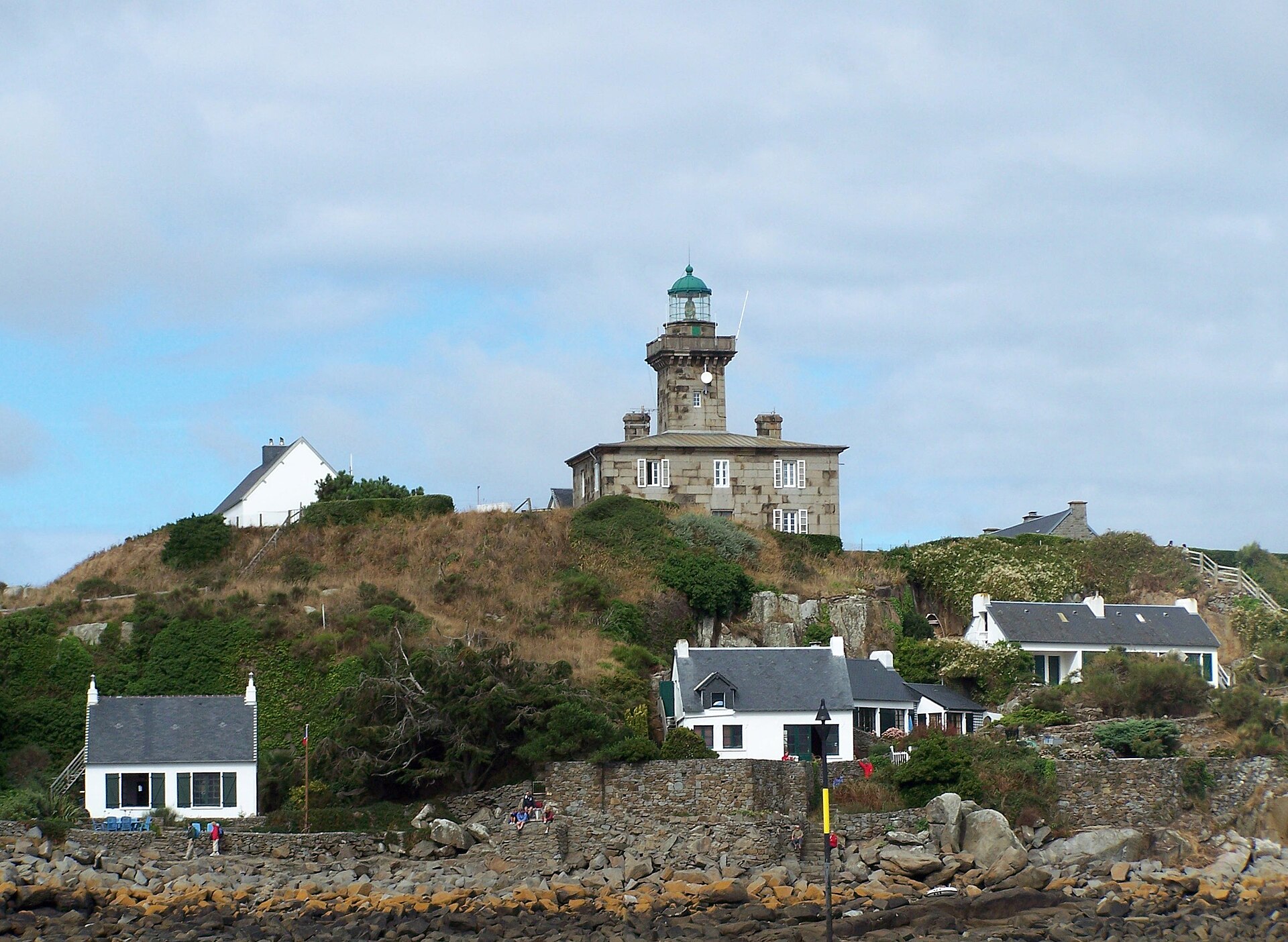
Phare de Chausey stands on Grande-Île, the main island of the Chausey archipelago off Granville, in the Manche department of Normandy. Rising among granite reefs and shoals that have long made this stretch of the Gulf of Saint-Malo treacherous, the lighthouse still guides boats safely between the hundreds of rocks and islets that appear when the tide falls.
Why was a lighthouse built here?
The 1825 lighting plan for the Normandy coast called for just one beacon, at Granville itself. Experience soon showed this wasn't enough: the Chausey archipelago, riddled with islands and hidden rocks, remained dangerous for ships sailing at night or in fog. In 1842 the authorities decided a second lighthouse was needed, this time on Chausey. The design came from engineer Léonce Reynaud, who had already built the lighthouse at Carteret and drew on that experience for the new project. Contractors from Caen carried out the construction, which began in 1846 and finished the following year. The lighthouse was formally put into service on 27 May 1848.
What makes the tower itself worth a closer look?
Builders used blue granite quarried right on the archipelago's own islands, giving the tower the cool, distinctive tone it still has today. The tower itself rises 19 metres, but because it sits on raised ground, its light shines from 37 metres above sea level, extending its reach well beyond what the tower's height alone would suggest. Inside, the layout has a few unusual touches: the staircase was set off to one side to leave room for a proper entrance hall, and the keepers' individual living quarters were each fitted with an alcove, a small cabinet, and windows facing different directions so that daylight would reach the rooms for as much of the day as possible. Such attention to the comfort of the people who lived and worked there was uncommon for lighthouses of this period.
What has the lighthouse been through?
The Second World War left its mark: on 9 March 1945 a German attack partially destroyed the structure. Repairs and modernisation took a few years — electricity reached the lighthouse in 1949, and its light was relit in 1950. A further turning point came in 2008, when the lighthouse was fully automated and no longer needed a resident keeper; it's now overseen by the lighthouse and beacon authority based in Granville. By decree of 11 May 2009, the lighthouse, together with its garden walls and former powder magazine, was listed as a historic monument — the only exclusion being the old France Télécom building on the site.
How do you get to Chausey to see it?
There's no road to the Chausey archipelago — the only way in is by sea, on a ferry or excursion boat departing from the harbour at Granville. The crossing takes roughly 40 to 50 minutes, with several sailings a day depending on the season. The lighthouse stands on Grande-Île, the archipelago's only permanently inhabited island, so once you land you can simply walk to it — the stroll past granite fishermen's cottages and dunes is itself one of the highlights of a visit. It's worth timing the trip around the tides: at low water, hundreds of extra rocks and islets emerge, and the whole look of the archipelago shifts depending on how far the sea has retreated.
When is the best time to visit?
Spring through early autumn is the most comfortable window, with more frequent boat crossings and weather suited to a longer walk around the island. Checking a tide table before booking is worthwhile — the biggest low tides of the year expose far more of the archipelago's rocky landscape than an average tide ever will.
Frequently asked questions
Can you go inside the lighthouse? No — it's fully automated and not open for interior visits; visitors see it from the outside while walking around Grande-Île.
How long is the boat trip from Granville? The crossing usually takes between 40 and 50 minutes, depending on conditions and route.
Can you stay overnight on the island? Grande-Île has only limited accommodation, so most visitors plan a day trip built around the boat schedule and the tides.
Why is the lighthouse built from granite? The builders used stone quarried directly on the archipelago's islands — a practical, economical choice, and granite holds up well against harsh sea conditions.
Nearby places

Earn badges for the places you visit
Download NextOnTrip, discover new places and check off your trails.