About this place
Peñones de San Cristóbal
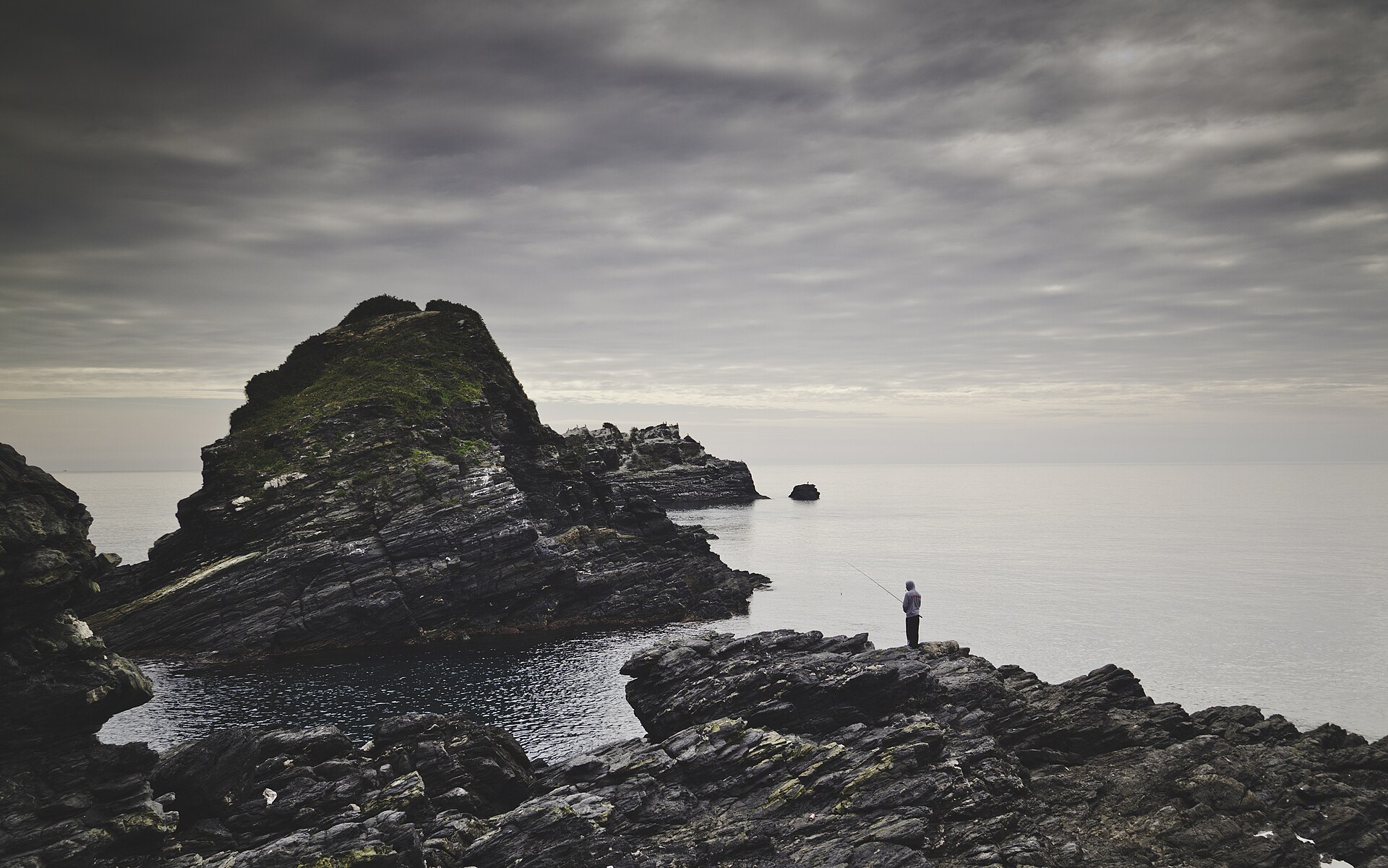
Peñones de San Cristóbal is a trio of rocky outcrops rising directly from the shoreline of Almuñécar, a coastal town on the Costa Tropical in Granada province, Andalusia. Even travelers who only pass through Almuñécar tend to remember these massive rock formations cutting into the beach — they have become one of the town's unofficial emblems and one of the most photographed spots along this stretch of coast.
What are the Peñones de San Cristóbal?
The formation consists of three separate rocks of different size and position relative to the shore. The largest and most accessible is Peñón del Santo, rising roughly 30 meters, which juts straight into the sand and splits the town's main beach into two sections: Puerta del Mar toward the center and San Cristóbal beach to the east. The other two rocks, Peñón de Enmedio and Peñón de Fuera, sit further out to sea, separated from land by a stretch of water, and are best appreciated from the shore or from a boat.
The whole rock group was declared a Natural Monument by the Andalusian regional government in November 2001, granting it protected status as a landscape feature of notable geological and ecological value.
Why visit?
Peñón del Santo works as a natural viewpoint. From its top, visitors get a sweeping panorama over Almuñécar's bay, the beaches on either side, and the mountainous backdrop of the Costa Tropical. It is one of the few urban cliffs in the region that can be climbed without any special preparation, which makes it a favorite spot for an evening walk, especially around sunset.
The rocks also carry ecological weight. Their steep faces and hard-to-reach ledges are used by seabirds as nesting sites and observation perches, drawing birdwatchers alongside regular beachgoers. Where the rock meets the sea, the surrounding waters support rich marine life, and the area is popular with divers and snorkelers exploring the submerged parts of the formation.
How the Peñones fit into Almuñécar's landscape
Almuñécar sits on the stretch of coastline known as the Costa Tropical, named for its mild microclimate that allows farmers to grow tropical fruit such as mangoes and custard apples close to the Mediterranean. Rising almost in the middle of the seafront promenade, the Peñones de San Cristóbal are a natural extension of this rugged coastline, where the foothills of the Sierra Nevada come almost down to the waterline.
Because the rocks sit right in the town center, they are easy to reach on foot along the promenade. A visit pairs naturally with a swim on one of the neighboring beaches or a meal at one of the many local restaurants serving fresh fish and seafood.
Frequently asked questions
Can you climb to the top of the rock? Yes, a path leads up Peñón del Santo, offering a view over the bay from the top.
Are the other two rocks accessible from land? Not directly — Peñón de Enmedio and Peñón de Fuera stand in the water, separated from the beach, and are usually viewed from the shore or by boat.
When did the formations receive legal protection? In November 2001, when the Andalusian government designated them a Natural Monument.
Is wildlife visible around the site? Yes, the rock faces serve as nesting grounds for seabirds, making the site interesting for birdwatchers as well as beachgoers.
Nearby places

Earn badges for the places you visit
Download NextOnTrip, discover new places and check off your trails.