About this place
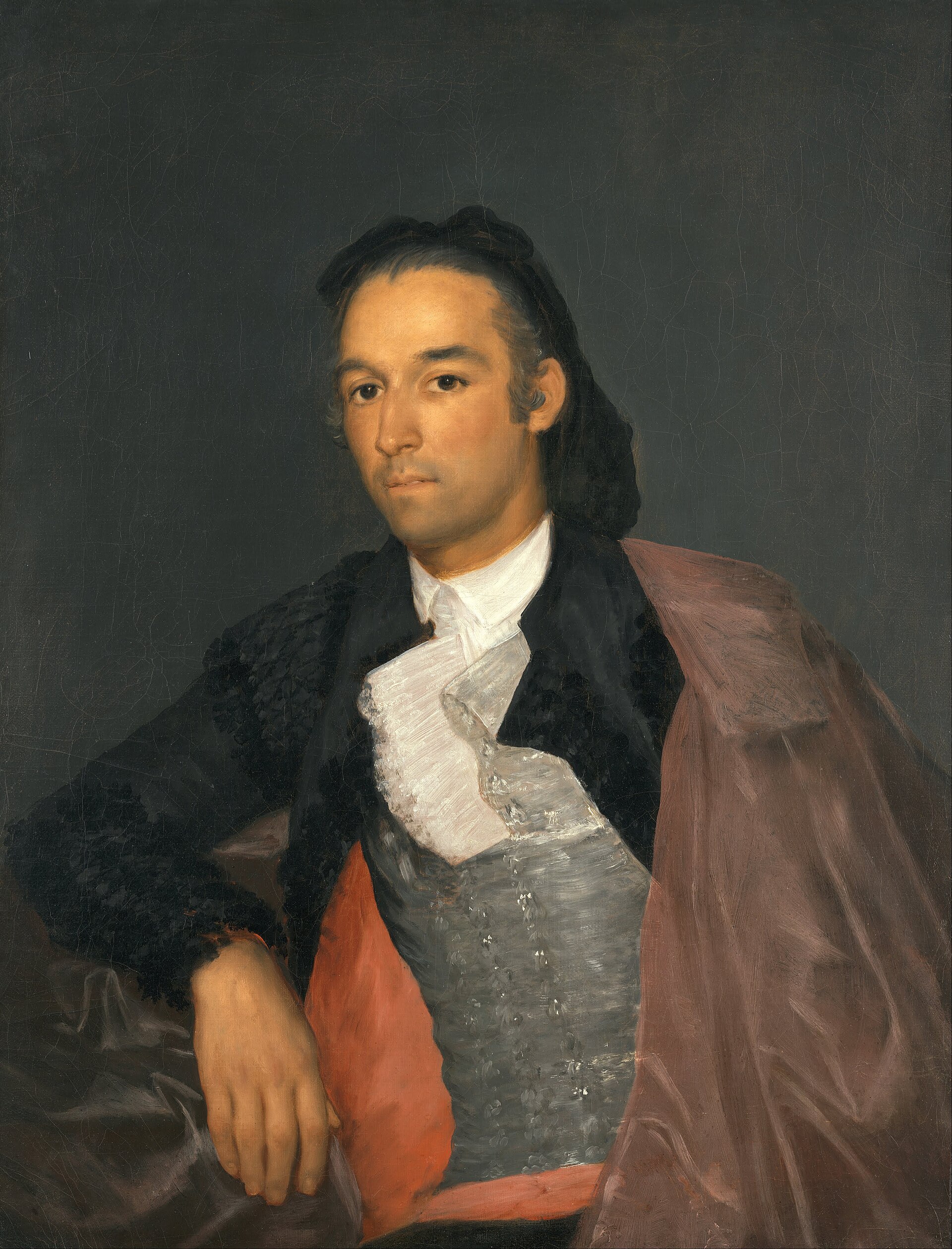
Pedro Romero is Ronda's most celebrated bullfighter, a figure whose legacy still shapes the city's identity, from stone monuments to its annual costumed fair.
Who was Pedro Romero?
Born in Ronda in 1754 and living until 1839, Pedro Romero belonged to the Romero family, which produced three generations of bullfighters who fought on foot rather than on horseback — a shift that helped define bullfighting as it's practiced today. Within that lineage, Pedro stood out for one striking reason: over the course of his career he killed more than 3,600 bulls, yet came away with only minor scratches. He is still regarded as the only matador to have fought at that scale while staying essentially unharmed, and that combination is the core of his reputation in Ronda and beyond.
Where can visitors find his memory in Ronda?
Two monuments in the city honor the bullfighter. The first is a full-figure statue standing at the entrance to Alameda del Tajo, a park popular for its walking paths and views over the gorge that cuts through Ronda. The second takes the form of a stele carved with his face in relief, placed on Plaza de San Francisco, next to the town's old medieval gateway opposite the Convent of San Francisco. Both spots sit within easy walking distance of Ronda's historic core, making them simple to fold into a walk through the old town.
Why is Ronda so tied to bullfighting tradition?
The Romero family was active in Ronda during the 18th century, right as fighting bulls on foot began replacing the earlier mounted style — a change historians point to as one of the turning points in shaping modern bullfighting. The town's bullring, among the oldest in Spain, sits at the center of that tradition, and Ronda's annual goyesca fair is held specifically in Pedro Romero's honor, with the town recreating the atmosphere of his era, including costumes inspired by Francisco Goya's paintings.
Is it worth visiting both monuments?
It's worth it if you're interested in bullfighting history or simply curious why the Romero name turns up throughout Ronda on plaques, steps, and street names. The statue at Alameda del Tajo fits naturally into a stroll through the park, while the stele on Plaza de San Francisco sits along the route between the old town and the newer part of the city, so both can be added to a sightseeing route without much detour.
Frequently Asked Questions
Who was Pedro Romero and why does he matter to Ronda? He was a bullfighter born in Ronda in 1754, from a family with a three-generation tradition of fighting bulls on foot. He killed more than 3,600 bulls over his career while suffering only minor injuries, which made him one of the most recognized figures in the history of Spanish bullfighting.
Where are the Pedro Romero monuments located in Ronda? One stands at the entrance to Alameda del Tajo park, and the other — a stele with his face carved in relief — is on Plaza de San Francisco, near the town's old entrance gate.
How do the two monuments differ? The Alameda del Tajo monument is a full statue of the bullfighter, while the Plaza de San Francisco piece is a simpler stele bearing his image in relief, set at a historically significant spot in the city.
What is the goyesca fair and how does it connect to Pedro Romero? It's an annual celebration held in Ronda in the bullfighter's honor, during which the town recreates the atmosphere of his era, including costumes inspired by the paintings of Francisco Goya, a friend of the Romero family and chronicler of that period.
Nearby places

Earn badges for the places you visit
Download NextOnTrip, discover new places and check off your trails.