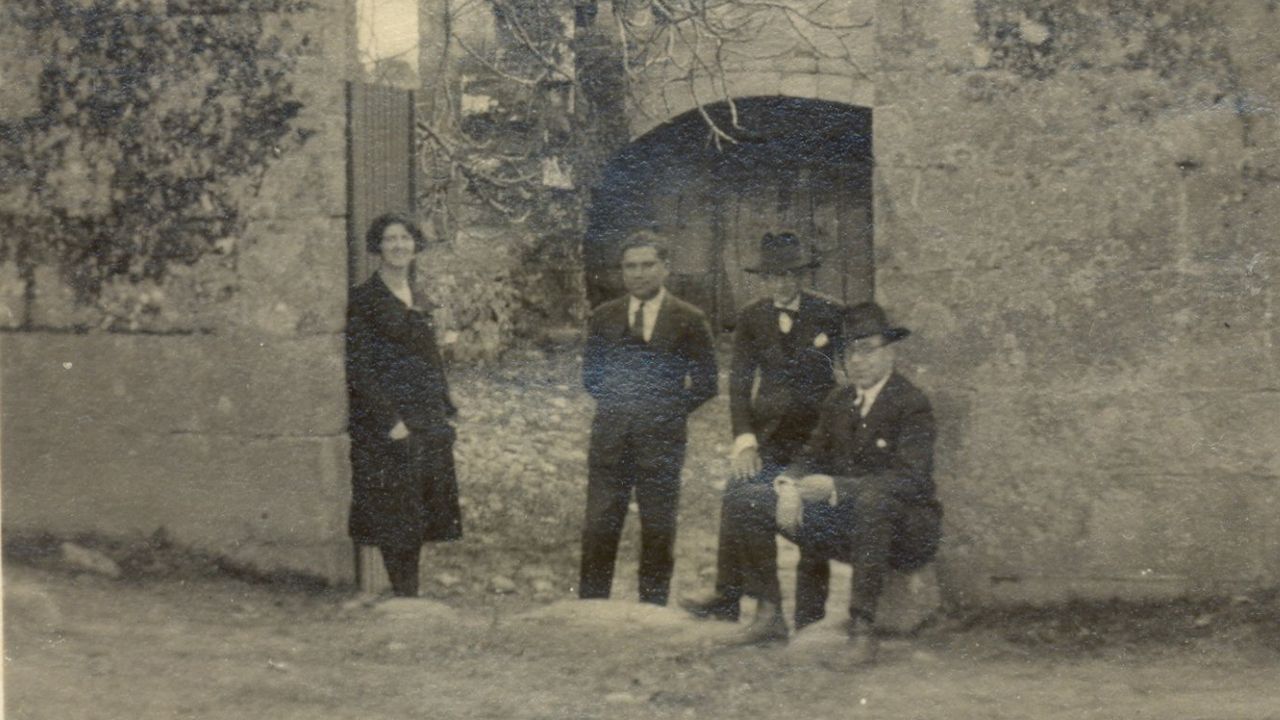
About this place
Pazo do Campo is a historic Galician manor house (pazo) standing in the village of Trasalba, in the municipality of Amoeiro, province of Ourense. The building is also known as Pazo de Gayón, after the family who owned it from the 18th century onward, and it stands as one of the region's characteristic examples of rural noble architecture.
Where exactly is it located?
The pazo sits in Trasalba, part of the parish of San Pedro de Trasalba, on the southern edge of the Amoeiro plain — a small, clearly defined lowland known locally as the "terra chá" (flat land). The site lies along a branch of the Vía de la Plata, the historic Camino de Santiago route, making it a landmark for pilgrims and hikers crossing inland Galicia.
What should you know before visiting?
Pazo do Campo is private property and its interior is not open to visitors. Restoration work on the building has been on hold for some time, so the best way to experience it is from the outside, as part of Trasalba's broader historic ensemble. It's worth planning a stop that combines a look at the pazo's façade with a visit to the neighboring landmarks — together they're the main reason to come this way.
What will you see nearby?
Trasalba is a small village that punches above its weight culturally. Right next to Pazo do Campo stands the parish church of Trasalba, and just steps away is Casa Grande de Cima de Vila, the house that today holds the Otero Pedrayo Museum, dedicated to one of the most important Galician writers and intellectuals of the 20th century. Together, these three sites form a compact architectural ensemble that lets you feel the atmosphere of a traditional Galician noble village in a single short walk — manor house, church, and a literary family home.
How do you get there?
Amoeiro lies close to the city of Ourense, making it a convenient day-trip destination for anyone based in the provincial capital. Driving is the easiest option: the road winds through the rural countryside of the province, past fields and the low hills typical of inland Galicia. Hikers can also reach Trasalba via the Vía de la Plata branch of the Camino de Santiago, adding a pilgrimage dimension to the visit. There's little tourist infrastructure in the immediate area, so it's worth stocking up on water and supplies in Ourense or one of the larger surrounding towns beforehand.
When is the best time to visit?
Spring and early autumn are the best seasons, with mild temperatures and the fields and hills around the pazo at their most scenic. Summers in inland Galicia can run hot, while winters tend to be changeable and rainy, which can make longer walks around the area less comfortable.
Frequently Asked Questions
Can you visit the interior of Pazo do Campo? No — the building is private property and not open to visitors, and its restoration is currently paused. It can only be viewed from the outside.
What's the difference between Pazo do Campo and Pazo de Gayón? They're the same building — Pazo de Gayón is the name that comes from the family who owned it from the 18th century onward, and it's used interchangeably with Pazo do Campo.
What else is worth seeing in Trasalba? Right next door are the parish church of Trasalba and the Otero Pedrayo Museum, housed in Casa Grande de Cima de Vila — together they form a compact historic ensemble worth a short walk.
How do you get to Amoeiro from Ourense? Driving is the most convenient option, along rural roads through the province; hikers can alternatively follow the Vía de la Plata branch of the Camino de Santiago, which passes through Trasalba.
Nearby places

Earn badges for the places you visit
Download NextOnTrip, discover new places and check off your trails.