About this place
Parque Natural de las Salinas de Santa Pola is a large coastal nature reserve stretching along the shoreline of Alicante province, between the towns of Santa Pola and Elche. Covering close to 2,470 hectares of active salt pans, brackish lagoons and wetlands, it has served for decades as both a working salt-production site and one of the most important habitats for waterbirds on Spain's eastern coast. Because of its ecological value, the park has been designated a Ramsar wetland of international importance and a Special Protection Area for Birds (ZEPA).
What can visitors see here?
The park's main draw is its colonies of greater flamingos, present in the salt pans for most of the year, with numbers swelling to several thousand birds between April and August. Beyond flamingos, birdwatchers can spot more than 170 other species — avocets, plovers, gulls and various wader species forage in the shallow, highly saline waters, using the salinas as a stopover on migration routes between Europe and Africa.
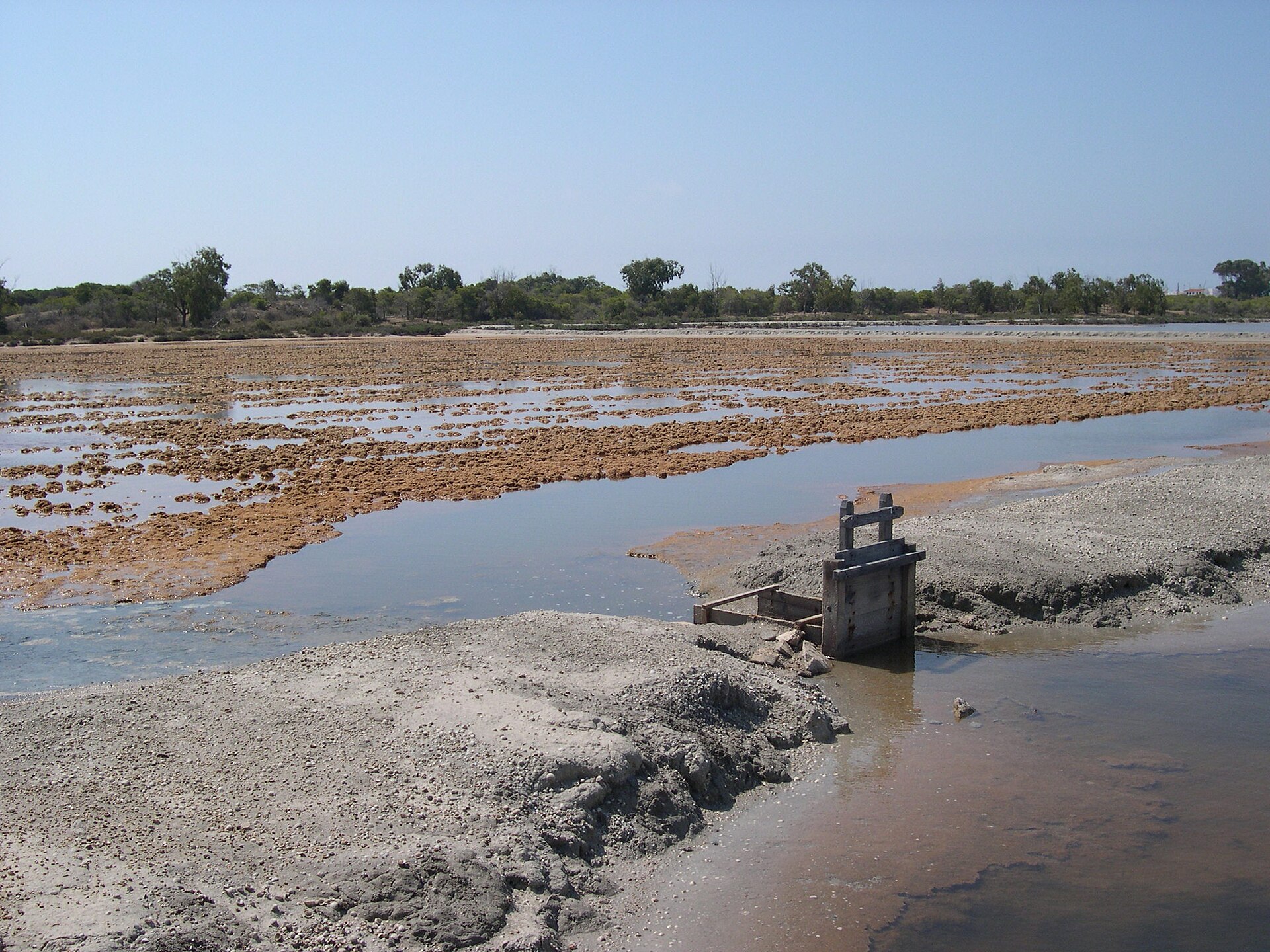
The park's landscape is defined by a geometric grid of salt evaporation ponds whose colors shift from blue to pink and rust tones depending on salt concentration and the microorganisms living in the water. This patchwork contrasts with the surrounding dunes, patches of salt-tolerant vegetation, and the nearby Mediterranean coastline.
How can you explore the salinas?
The reserve offers a network of flat, easily walkable paths running along the dikes between the salt ponds, making it accessible for families with children and visitors with limited mobility. Observation points and elevated bird hides are set up along the routes, open year-round and free of charge, allowing visitors to watch the birdlife without disturbing it.
Near the entrance off the N-332 road, on the western side of Santa Pola, sits a visitor and interpretation center dedicated to the history of salt harvesting and wetland ecology. It displays tools and traditional methods used in salt production and explains the park's ecological role. Entry to both the park and the center is free, though the center itself keeps limited opening hours, usually in the mornings.
Frequently asked questions
Is entry to the park free? Yes, access to the park and its interpretation center is free of charge year-round.
When is the best time to see flamingos? The largest flamingo gatherings occur between April and August, although the birds are present in the salt pans for most of the year.
Are the trails suitable for children or wheelchairs/strollers? Yes, the paths are flat and well maintained, and the bird observation points are open to everyone without the need for booking.
Is salt still harvested here? Yes, part of the salt pans remain in active industrial use, which sets this park apart from many other nature reserves — commercial salt production coexists here with bird habitat conservation.
Where is the visitor center located? The visitor center and salt museum are located on the N-332 road, on the western side of Santa Pola.
Nearby places

Earn badges for the places you visit
Download NextOnTrip, discover new places and check off your trails.