About this place
Parc del Castell de Montesquiu
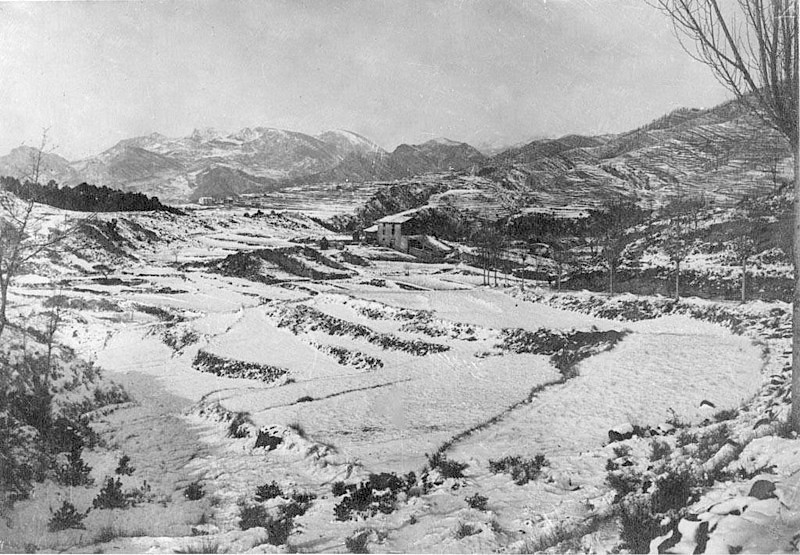
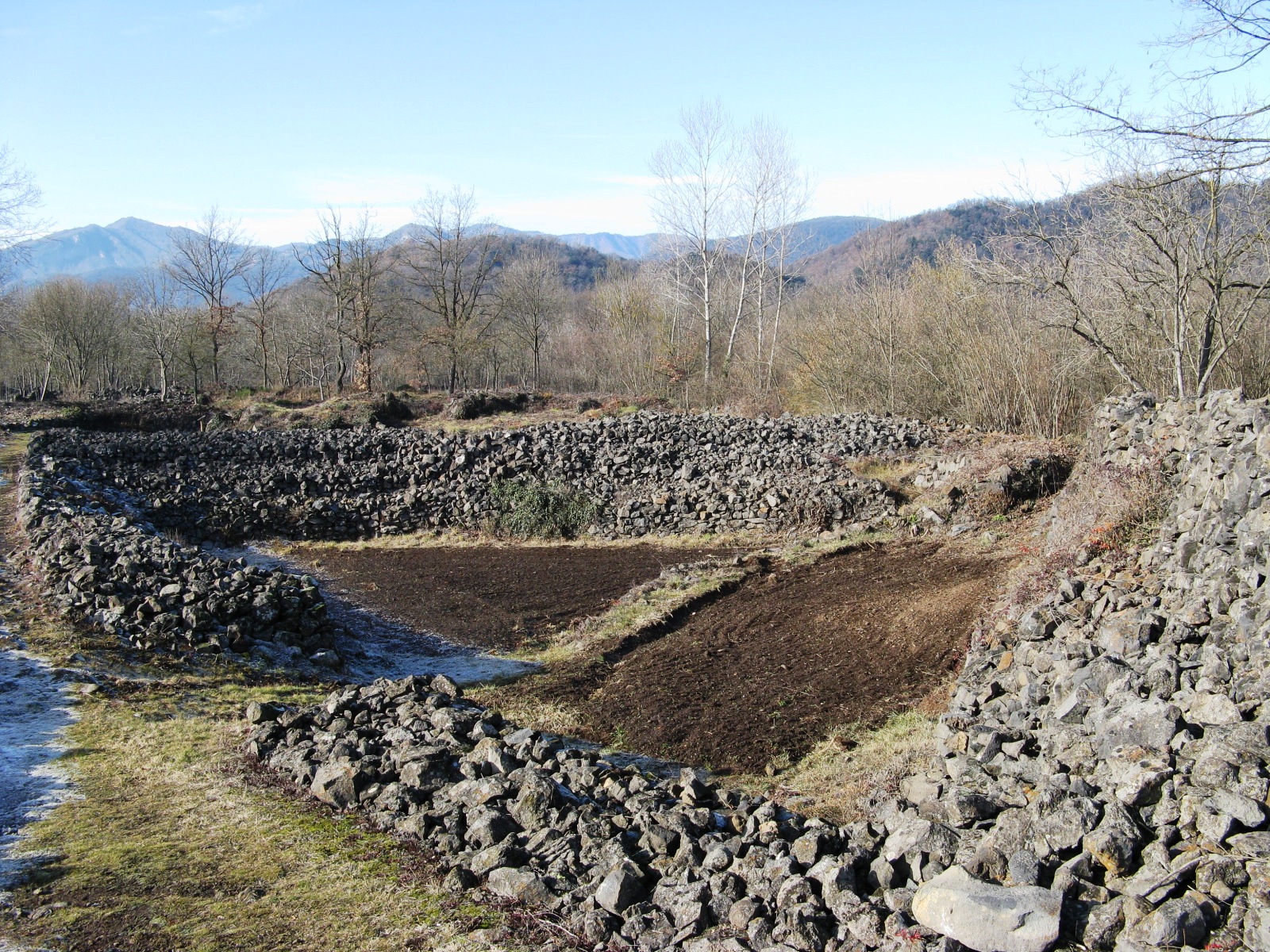
Parc del Castell de Montesquiu is a protected natural area in the northern part of the Osona region in Catalonia, spread across four municipalities: Montesquiu, Sant Quirze de Besora, Santa Maria de Besora and Sora. It covers more than 546 hectares, with the Ter River running through it and splitting the land into two uneven sections — a larger, more varied stretch on the left bank and a smaller, gentler one on the right.
Where exactly is the park located?
The park sits at the meeting point of the eastern Pre-Pyrenees and the Osona plains, where the rugged landscapes of Ripollès and Cerdanya give way to the more agricultural lowlands of the region. This transitional position has made the area attractive for human settlement since ancient times, thanks to reliable water access, fertile soil and the natural defensive advantage offered by its terrain.
What is the history behind the castle?
At the heart of the park stands the Castell de Montesquiu, whose earliest traces go back to the early Middle Ages. The building is believed to have originated as a small rectangular watchtower, likely constructed between the 10th and 11th centuries, built purely for defensive purposes to control access to the valley below. Over time, this modest stronghold expanded considerably.
A turning point came in the mid-14th century, when the structure gradually shifted away from a purely military role and became a fortified family residence rather than just a defensive outpost. Further changes arrived in the 17th century, when Lluís Descatllar commissioned a chapel and expanded the northern wing of the castle, giving it a new architectural character.
The castle's current, palatial appearance dates back to the early 20th century, thanks to Emili Juncadella, a prominent figure of the Catalan upper bourgeoisie of the time. He reshaped the building into the picturesque, castle-like form it retains today and added the surrounding gardens, which remain part of the park's landscape.
What kind of nature surrounds the castle?
The park lies on the boundary between the submediterranean and central European biogeographic zones, which gives it an unusually rich variety of vegetation. Forests dominate the landscape, ranging from oak groves to red pine stands and beech woods, forming a mosaic of plant communities that shifts depending on slope orientation and altitude. This habitat diversity also supports a varied fauna typical of northern Catalonia's transitional climate zones.
What can visitors do here?
A network of hiking trails winds through the park's forests and meadows, offering views over the Ter valley and the surrounding hills. The area draws hikers, birdwatchers and cyclists looking for a quieter alternative to more crowded mountain routes. Its gentle terrain and accessible paths also make it a popular spot for family picnics and outdoor outings for visitors of all ages.
The castle itself has been adapted for visits and, beyond its historical role, now also serves as a venue for meetings, seminars and educational activities, combining architectural heritage with an active use of the space.
Frequently asked questions
Which municipalities does the park span? Montesquiu, Sant Quirze de Besora, Santa Maria de Besora and Sora.
Which river flows through the park? The Ter River, which divides the area into two sections with distinct characters.
When was the castle built? Its oldest elements date to the 10th–11th centuries, while its current, palace-like appearance was shaped in the early 20th century by Emili Juncadella.
Can visitors tour the castle? Yes, the building is open for visits and is also used for meetings and educational activities.
Nearby places

Earn badges for the places you visit
Download NextOnTrip, discover new places and check off your trails.