About this place
Palacio de los Cuevas Velasco is a historic palace in the town of Espinosa de los Monteros, in the province of Burgos, Castile and León. Also known as the Palacio de los Marqueses de Cuevas de Velasco or Casa Fuerte de los Cuevas de Velasco, the building is one of the most important reminders of this small town's history at the foot of the Cantabrian Mountains.
Who built the palace and when?
Construction began in 1623, commissioned by Pedro de Velasco y Bracamonte, a majordomo at the court of King Philip IV. The design is attributed to Juan Gómez de Mora, one of the most respected architects of the Spanish Baroque, known for his work at the royal court in Madrid. Having an architect of this stature design a provincial noble residence reflects how influential the Velasco family was at the time.
What is the palace's connection to Don Juan José de Austria?
The best-known episode in the building's history involves Don Juan José de Austria, the illegitimate son of Philip IV. The boy spent several years of his childhood at the palace under the guardianship of Pedro de Velasco, to whom the king had entrusted his upbringing and safety. This chapter links the small town of Espinosa de los Monteros to the innermost circles of the 17th-century Spanish royal court.
What does the palace's architecture look like?
The building follows a Renaissance style typical of noble residences in northern Spain. It has a rectangular floor plan and two storeys, with a facade built of dressed ashlar stone, while the walls combine ashlar masonry with more irregular rubble stonework elsewhere. The roof is hipped and topped with pinnacles, giving the structure its distinctive, stately silhouette.
A chapel dedicated to the Apostle St James is attached to the palace — a fitting choice, since many members of the Velasco family belonged to the Order of Santiago. The chapel's portal is decorated with an image of the saint dressed as a pilgrim, set within a central niche. The palace's main facade actually faces inward, into the compound, rather than the street — a layout typical of the fortified residential architecture found across this region.
Is the palace legally protected?
Yes. The Palacio de los Cuevas Velasco was declared a Bien de Interés Cultural (BIC) in 1991, Spain's highest category of heritage protection. This designation confirms the building's historical and architectural value and its importance to the heritage of Burgos province.
Why is Espinosa de los Monteros worth visiting?
Espinosa de los Monteros is a historic town in the Las Merindades area, known for its well-preserved old quarter and its proximity to the Cantabrian Mountains. The Cuevas Velasco palace is one of several residential buildings in town that testify to the former standing of local noble families, alongside other palaces and stone houses scattered through the historic center.
Frequently Asked Questions
Where is the Palacio de los Cuevas Velasco located? The palace stands in Espinosa de los Monteros, in the province of Burgos, in the Castile and León region of northern Spain.
When was the palace built? Construction began in 1623, commissioned by Pedro de Velasco y Bracamonte, a majordomo of King Philip IV.
Who designed the building? The design is attributed to Juan Gómez de Mora, a noted architect active at the Spanish royal court in the 17th century.
Is the palace a protected heritage site? Yes, it was declared a Bien de Interés Cultural (BIC) in 1991, the highest level of heritage protection in Spain.
Nearby places
-

Espinosa de los Monteros town hall
Espinosa de los Monteros
-
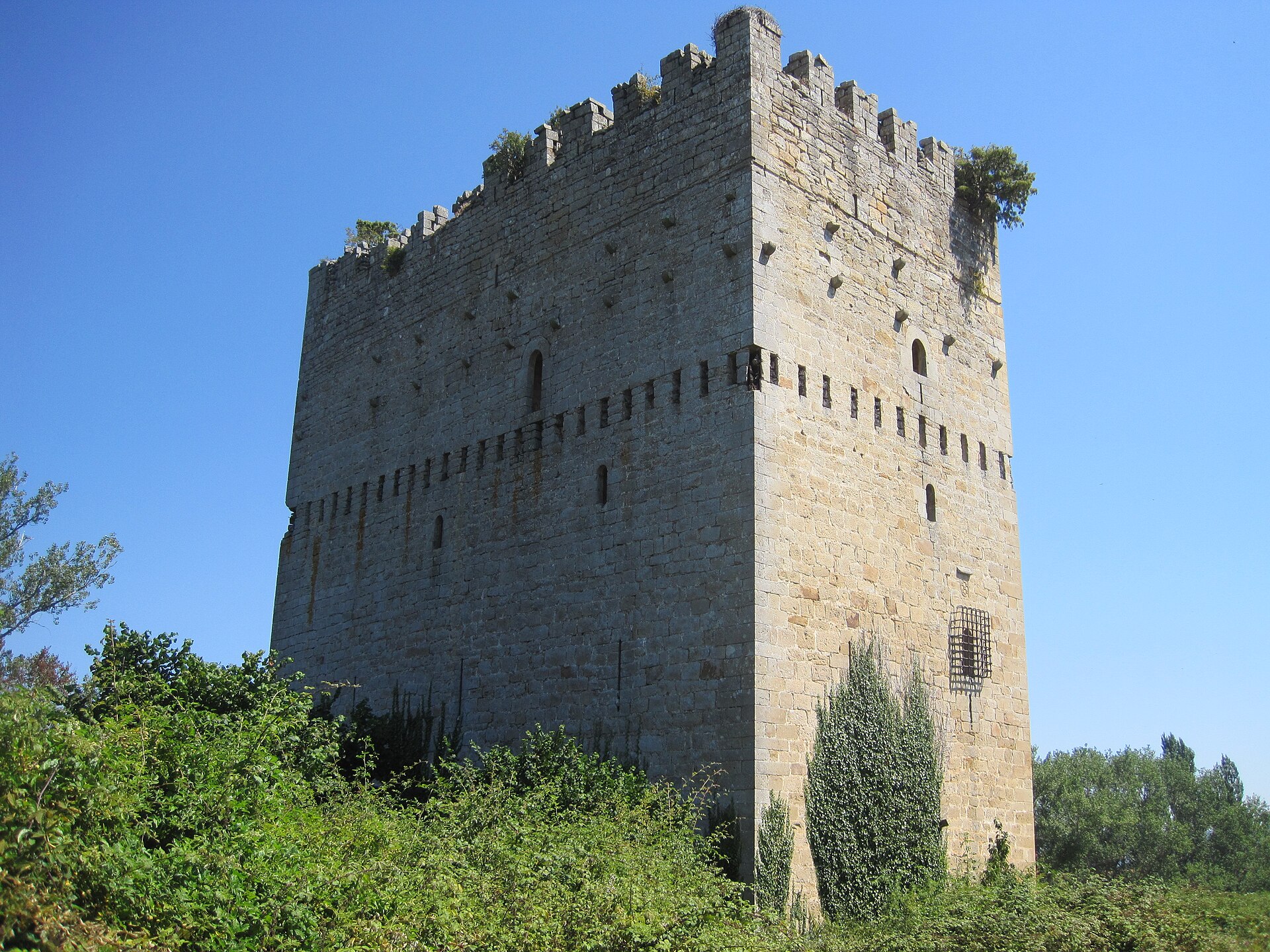
Velasco's Tower
Espinosa de los Monteros
-
Chiloeches Palace, Espinosa de los Monteros
Espinosa de los Monteros
-
Torre de las Herradoras
Espinosa de los Monteros
-
Torre de los Cantimplor
Espinosa de los Monteros
-
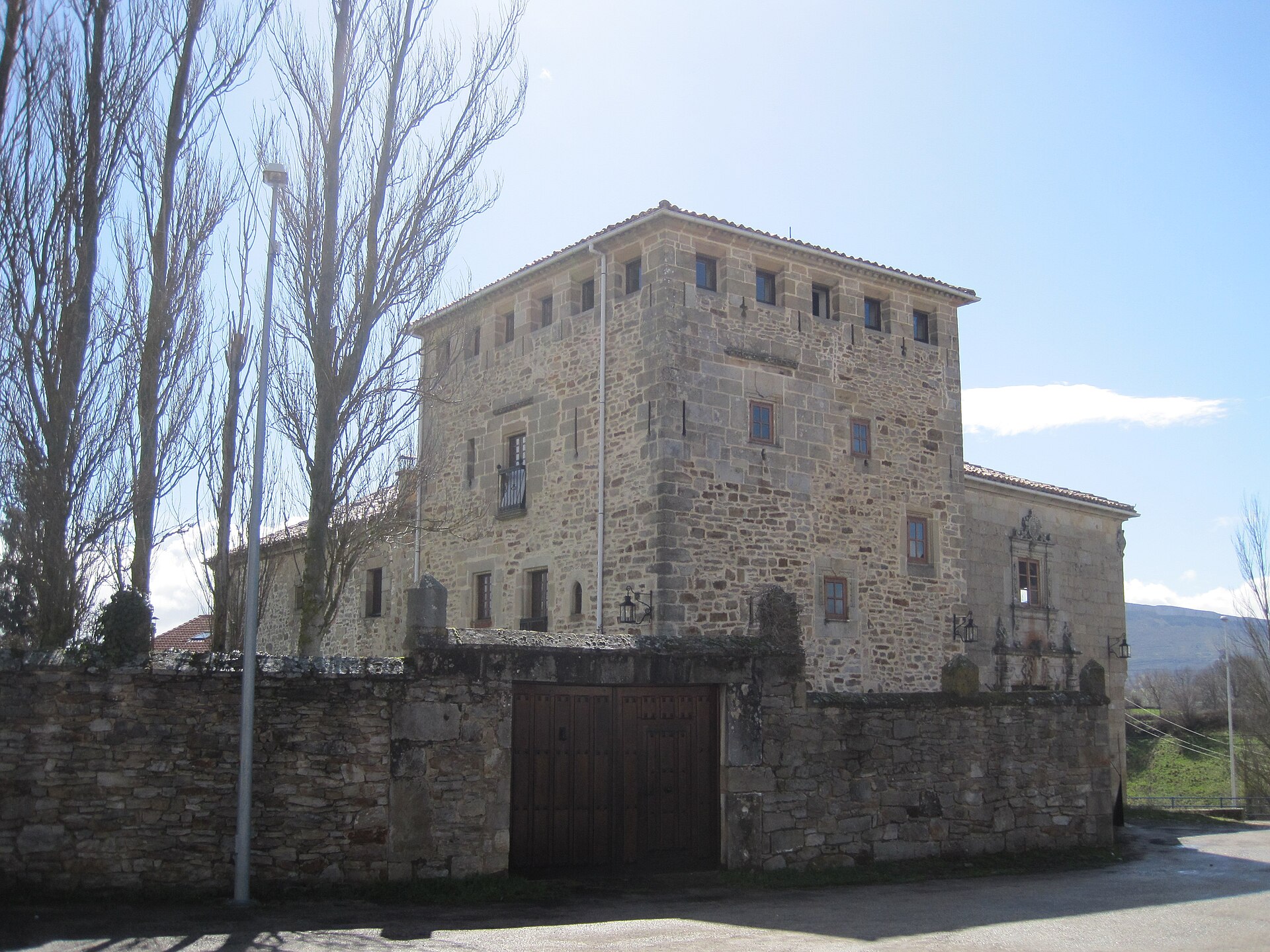
Fernández-Villa's Palace, Espinosa de los Monteros
Espinosa de los Monteros
Earn badges for the places you visit
Download NextOnTrip, discover new places and check off your trails.