About this place
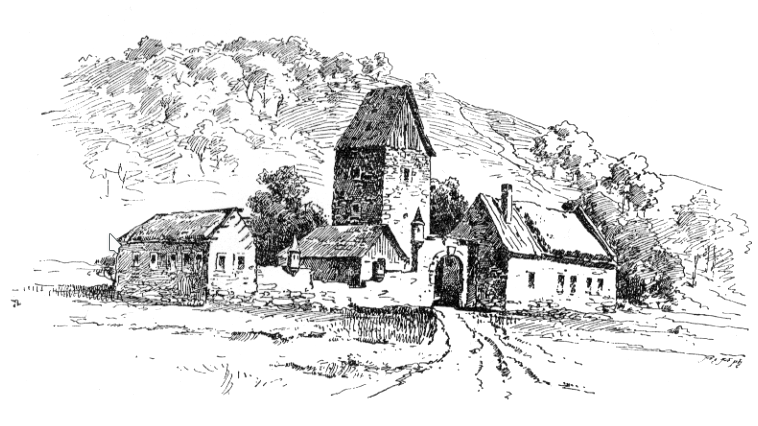
Nový Čestín is a small country château in the southwestern Czech Republic, standing close to the village of Těšetiny within the Mochtín municipality, Klatovy district, on the foothills of the Šumava range. Tucked away from the busiest tourist routes, it appeals to visitors interested in lesser-known regional heritage sites.
Where exactly is Nový Čestín located?
The site sits at roughly 49.3605°N, 13.3685°E, placing it firmly in the Šumava borderland not far from the Bavarian frontier. Těšetiny is the nearest landmark village, and the surrounding area falls under the administration of Mochtín. The landscape here is hilly and heavily forested, dotted with scattered rural settlements typical of the Šumava foothills.
What is the history behind Nový Čestín?
The Čestín estate first appears in records in 1379, when it belonged to a local landowner named Zdeněk. The structure known today as Nový Čestín — "New Čestín," distinguishing it from an older estate of the same name — was built sometime before 1640 as a modest manor residence. A 1665 description records it as a simple dwelling with two living rooms, an office, and a hall. That layout points to a working administrative residence rather than a grand seat, consistent with the smaller gentry manors that managed surrounding farmland and tenants across the Czech lands during that period.
Why visit the area around Nový Čestín?
The wider Šumava region is known for extensive forests, peat bogs, and hiking and cycling trails leading toward Šumava National Park and the German border. Visitors coming to see Nový Čestín often pair the stop with a wider tour of the Klatovy district, home to numerous examples of provincial residential and religious architecture. Given its modest scale and off-the-beaten-path setting, the site draws travelers interested in quiet, history-focused exploration rather than large tour groups.
Frequently asked questions
Where is Nový Čestín located? Near the village of Těšetiny, within the Mochtín municipality, Klatovy district, in the Šumava foothills of southwestern Czech Republic.
When was Nový Čestín built? The building already existed before 1640, while the earliest mentions of the Čestín estate itself date back to 1379.
What did Nový Čestín look like historically? A 1665 record describes it as a modest residence with two rooms, an office, and a hall — a layout typical of a smaller gentry manor of the era.
Is it worth combining a visit with other regional sights? Yes, the surrounding Šumava area offers hiking trails, forested landscapes, and other historic sites across the Klatovy district, making it easy to plan a longer countryside itinerary.
Nearby places

Earn badges for the places you visit
Download NextOnTrip, discover new places and check off your trails.