About this place
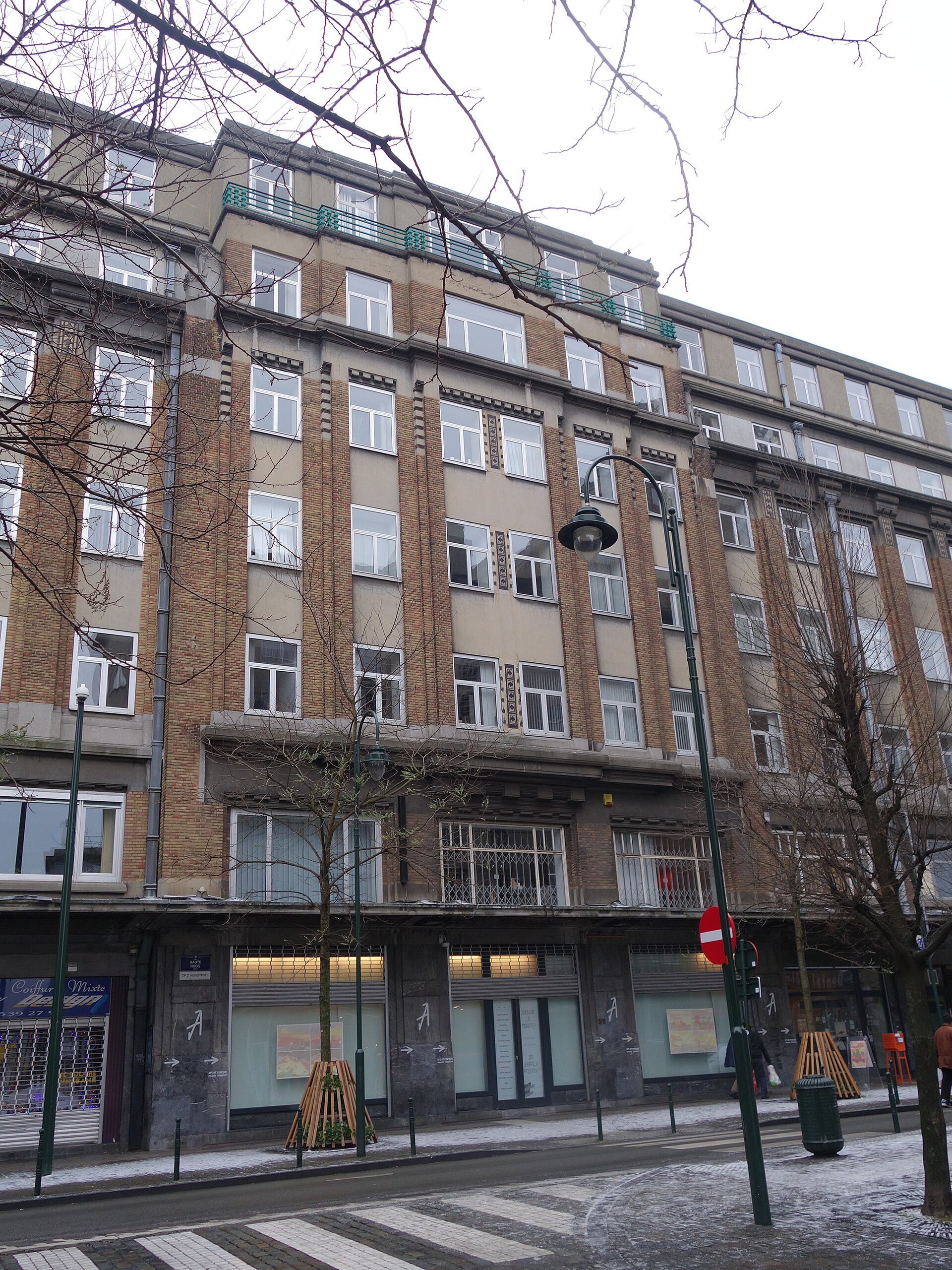
The National Museum of the Resistance is a military museum located in Anderlecht, one of the nineteen municipalities that make up the Brussels-Capital Region in Belgium. Situated in the Cureghem district, it is dedicated to preserving and presenting the history of the Belgian Resistance and the German occupation of Belgium during the Second World War.
Who founded the museum?
The museum was established in 1972, founded by former members of the Independent Front (Front de l'Indépendance in French, Onafhankelijkheidsfront in Dutch — commonly abbreviated FI/OF), one of the significant factions within the broader Belgian Resistance movement. The founders were not historians or curators working from a distance, but people who had themselves taken part in the clandestine struggle against the German occupying forces. This gives the institution a distinctive character: it was born directly out of lived experience rather than being created decades later by an outside body with no personal connection to the events.
What does the museum cover?
As a military museum, the institution focuses on the underground resistance activity that took place across Belgium between 1940 and 1944, as well as the broader experience of life under German occupation. The Independent Front itself was one of several resistance networks operating in Belgium during the war, engaged in intelligence gathering, clandestine propaganda, and sabotage operations against the occupying administration. Museums of this kind typically document not only acts of active resistance but also the repression, surveillance, and hardships faced by ordinary civilians who lived under occupation, as well as those who risked their lives by participating in underground networks.
Where exactly is it located?
The museum sits in Cureghem, a historic and densely populated part of Anderlecht, positioned in the western part of the city not far from central Brussels. Its approximate coordinates are 50.84°N, 4.33°E. Anderlecht is historically known as a working-class and industrial district of Brussels, a fact that carries a certain symbolic weight given that many participants in the Belgian Resistance came from similar working-class backgrounds across the country.
Why is this museum significant?
The National Museum of the Resistance occupies a distinctive place among institutions dealing with Belgium's wartime history, precisely because of its origin story. It was created by the people who lived through the occupation and took part in organized resistance to it, rather than being assembled retrospectively by historians with no direct connection to the events. For visitors interested in twentieth-century European history, occupation-era resistance movements, or the specific history of Brussels during the Second World War, the museum offers a window into one particular resistance faction's legacy and the broader story of how ordinary Belgians confronted foreign occupation.
Frequently asked questions
When was the museum founded? It was founded in 1972.
Who founded it? Former members of the Independent Front (FI/OF), a faction of the Belgian Resistance during the Second World War.
Where is the museum located? In Cureghem, part of the Anderlecht municipality within the Brussels-Capital Region, Belgium.
What period does the museum cover? The Belgian Resistance and the German occupation of Belgium during the Second World War (1940–1944).
Nearby places

Earn badges for the places you visit
Download NextOnTrip, discover new places and check off your trails.