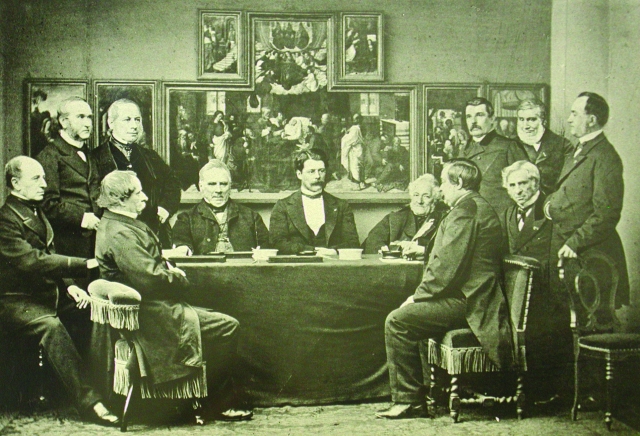
About this place
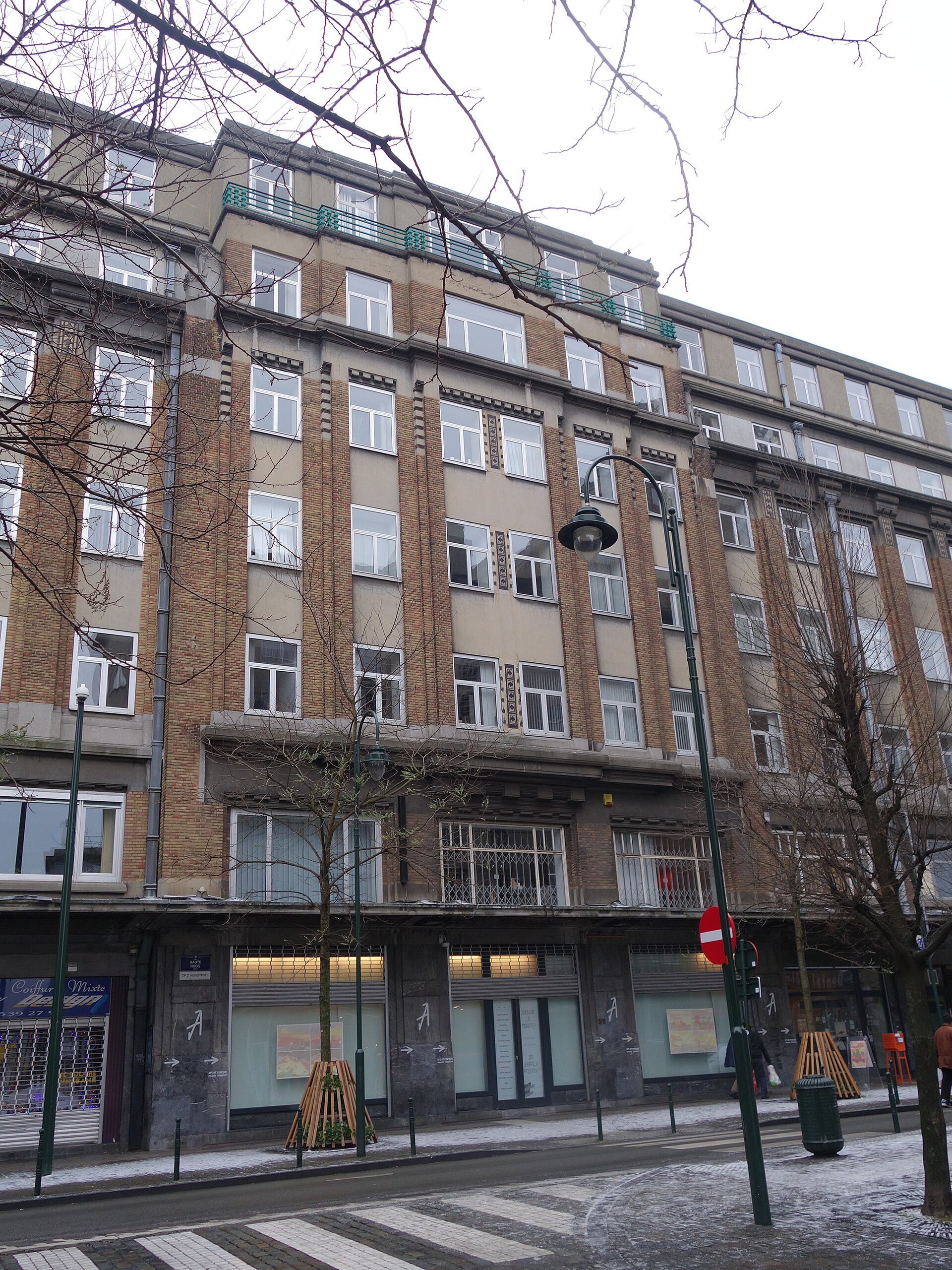
The Museum of the Public Social Welfare Centre of Brussels (Musée du CPAS de Bruxelles) is a small, little-known museum dedicated to the history of social assistance in the city, from its medieval origins through to the present day. It is housed in the administrative headquarters of the Brussels Public Centre for Social Welfare (CPAS/OCMW) on the rue Haute/Hoogstraat, right in the heart of one of the oldest districts of Brussels.
Where did this museum come from?
The institution's roots go back to the end of the 18th century. Under French rule, as part of a broader effort to centralise administration, the scattered charitable and hospital institutions of Brussels were merged into a single body — the General Council of Hospices and Aid (Conseil général des hospices et secours). It was from this consolidation of the resources, documents and artworks accumulated over centuries by individual hospitals, almshouses and charitable foundations that the collection which later formed the basis of the museum first emerged.
The museum itself was officially inaugurated on 26 April 1927, in the presence of the then mayor of Brussels, Adolphe Max. This makes it one of the oldest museums in Belgium. In 1935, the CPAS administration moved to its building on rue Haute, and the museum's collection moved with it — remaining there ever since.
What is in the collection?
The collection reflects centuries of charitable and administrative activity by Brussels' welfare institutions. It includes works by old masters of Brussels painting, sculptures from Brabant, and Brussels tapestries — remnants of the wealthy foundations and hospitals that supported the city's poor and sick over the centuries.
Beyond painting and sculpture, the museum's holdings also include everyday objects from historic care institutions: silverware, ceramics, furniture and textiles, as well as coins and medals. A separate and noteworthy section is devoted to the history of medicine — instruments and equipment from former hospitals and almshouses, illustrating how approaches to treating and caring for the sick evolved over the centuries.
The museum also preserves an extensive archive: documents from Brussels' historic hospitals and charitable institutions dating from the Ancien Régime, as well as records related to public assistance from the French period onward. This archive is a valuable resource for researchers studying the social and medical history of Brussels.
Who is this place for?
This is a destination primarily for visitors interested in social history and Brussels' less obvious corners, away from the crowds at the Grand-Place or the Atomium. Given its intimate scale and specialised subject matter, the museum will appeal to travellers who enjoy discovering niche, local cultural institutions that reveal the everyday, less spectacular side of a city's history.
Frequently asked questions
Where exactly is the museum located? In the CPAS/OCMW administrative building on rue Haute in central Brussels, where the collection has been housed since 1935.
Is it one of the oldest museums in Belgium? Yes — it opened in 1927, placing it among the country's oldest museum institutions.
What is the main focus of the collection? The history of social welfare, hospitals and charity in Brussels, documented through art, everyday objects and archival records.
What does Wikidata say about it? Wikidata briefly describes it as a "museum in Brussels, Belgium", located at coordinates 50.835278, 4.347167 — corresponding to the rue Haute area in the city centre.
Nearby places

Earn badges for the places you visit
Download NextOnTrip, discover new places and check off your trails.