Save this place and discover nearby attractions with NextOnTrip
In the app you can add it to your favorites, see what else is worth visiting nearby on the map, and earn a badge for your visit.
The app is available for iPhone and Android.
About this place
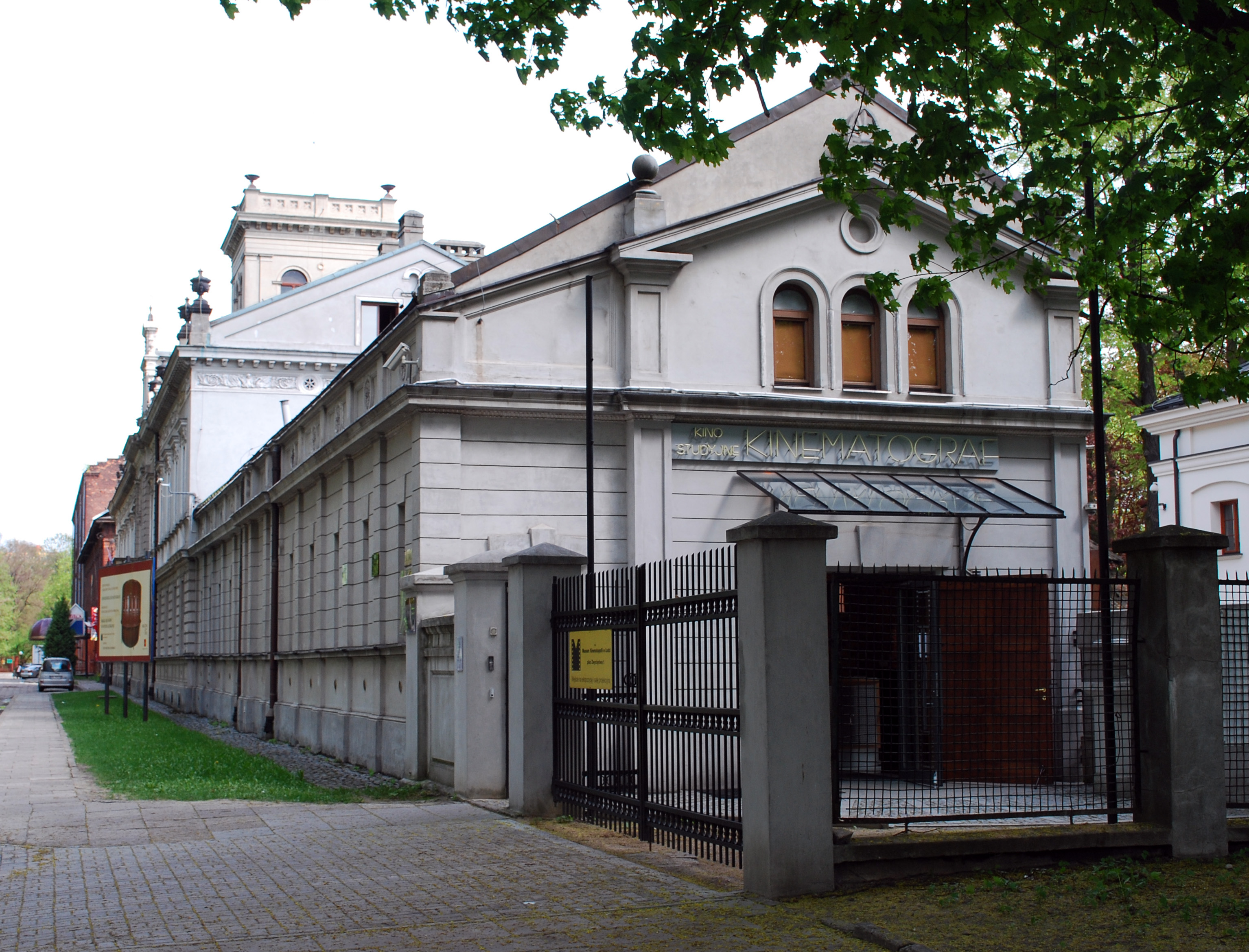
The Museum of Cinematography in Łódź is where the story of Polish film meets the story of the city. It collects films, posters, set design elements, technical devices and other keepsakes tied to cinema, and it is the only museum in Poland dedicated to preserving heritage from the technology, art and culture of film. Run by the Łódź city authorities, it is housed in a neo-Renaissance industrialist's palace.
Why Łódź?
Łódź has long been called the film capital of Poland. The famous national film school is based here, many leading directors and cinematographers trained in the city, and numerous productions and animations were made locally. The museum is a natural companion to that tradition, showing how cinema evolved from early devices for recording and projecting images to the modern art of film. Its roots go back to 1977, when a department of film and theatre culture was created within the Museum of the History of the City of Łódź. In 1984 it became an independent Museum of Cinematography.
What is the building?
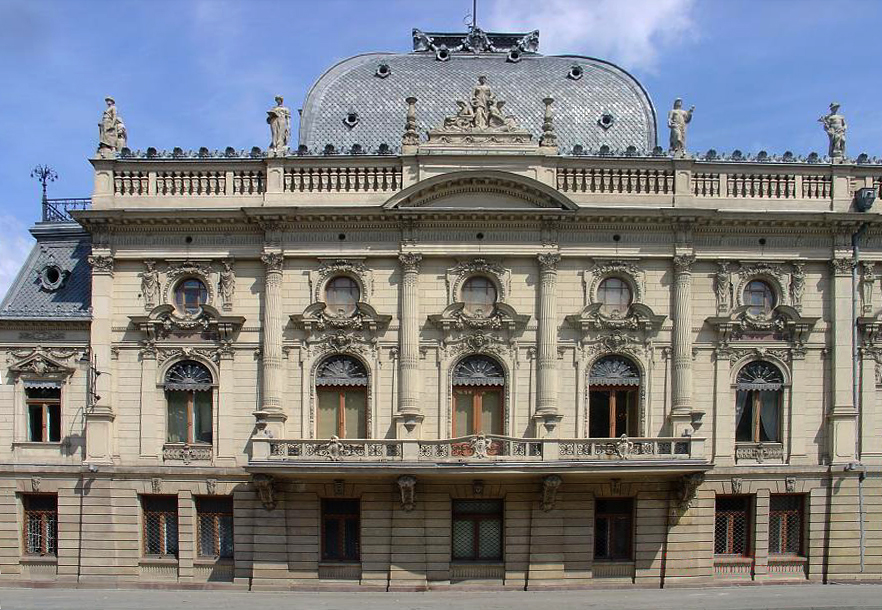
The museum stands on Plac Zwycięstwa (Victory Square) and belongs to the former industrial empire of the Scheibler family. A home for the family was built in 1855 and enlarged in 1865 into a neo-Renaissance palace, then modernised again in 1886. In later decades the palace housed monument conservation workshops, while a music school operated in the building opposite. That second building now holds the museum's administrative offices.
The museum officially began work in the palace on 1 April 1986, when most of the team moved over together with roughly 12,000 exhibits. The first exhibition in the new home focused on "The Promised Land": Reymont's novel and Andrzej Wajda's film. The choice made sense, because the story is set against Łódź's textile industry and its factory owners, and the palace itself reflects that world.
What can you see?
The collections include several groups of objects:
- films and film materials documenting the development of Polish cinema,
- film posters, including works from the celebrated Polish poster school,
- set design elements that offer a look behind the scenes,
- technical equipment such as cameras, projectors and other devices that trace the evolution of film technology,
- keepsakes and documents connected with filmmakers and productions.
It suits film lovers just as well as visitors interested in the history of technology or graphic design.
Who is it for?
The museum fits easily into a walk through central Łódź, a rainy day, or a longer programme about the city's film heritage. Parents can show children how moving images were made before modern technology existed, and fans of particular titles will find traces of well-known productions. The palace interior, with its grand rooms and period decoration, is as interesting to explore as the exhibitions themselves.
Frequently asked questions
What makes this museum unique in Poland? It is the only institution in the country that protects heritage from the technology, art and culture of cinema.
When did the museum start operating in the palace? Formally on 1 April 1986, after about 12,000 exhibits were transferred from the Museum of the History of the City of Łódź.
Is the building connected to the city's history? Yes. The palace was built as a home for the Scheibler family, among the greatest industrialists of Łódź, and was expanded and modernised in the 19th century.
What was the first exhibition in this location? An exhibition about "The Promised Land", linking Reymont's novel with Wajda's film.
How long should I plan for a visit? One to two hours is usually enough, though cinema and architecture enthusiasts may stay longer. Check current opening hours and temporary exhibitions before you go.
Nearby places

Earn badges for the places you visit
Download NextOnTrip, discover new places and check off your trails.