About this place
Museu do Ouro (Gold Museum) is dedicated to traditional goldsmithing and stands in the village of Travassos, in the municipality of Póvoa de Lanhoso in northern Portugal. It was created to document and showcase the craft of local goldsmiths, whose work has made this area one of the historic centers of Portuguese filigree.
How did the idea for the museum come about?
The idea of opening a jewelry museum in Travassos dates back to the 1980s. It was brought to life by Francisco de Carvalho e Sousa, a goldsmith with fifty years of experience in the trade, who spent decades gathering objects and documentation tied to the local craft. His private collection became the founding core of the museum's holdings. Museu do Ouro officially opened its doors on March 3, 2001.
What is filigree, and why is Travassos linked to it?
Filigree is a goldsmithing technique in which delicate, finely intertwined threads of gold or silver are shaped into ornamental forms. In the Póvoa de Lanhoso region, particularly in the parishes of Travassos and Sobradelo da Goma, filigree production has been documented since at least the 19th century, with evidence of goldsmiths active in the municipality reaching back to the 18th century. This multigenerational tradition is why Travassos is often referred to as the capital of Portuguese filigree. The craft has been inscribed in Portugal's National Inventory of Intangible Cultural Heritage.
What does the museum building look like, and what can visitors see inside?
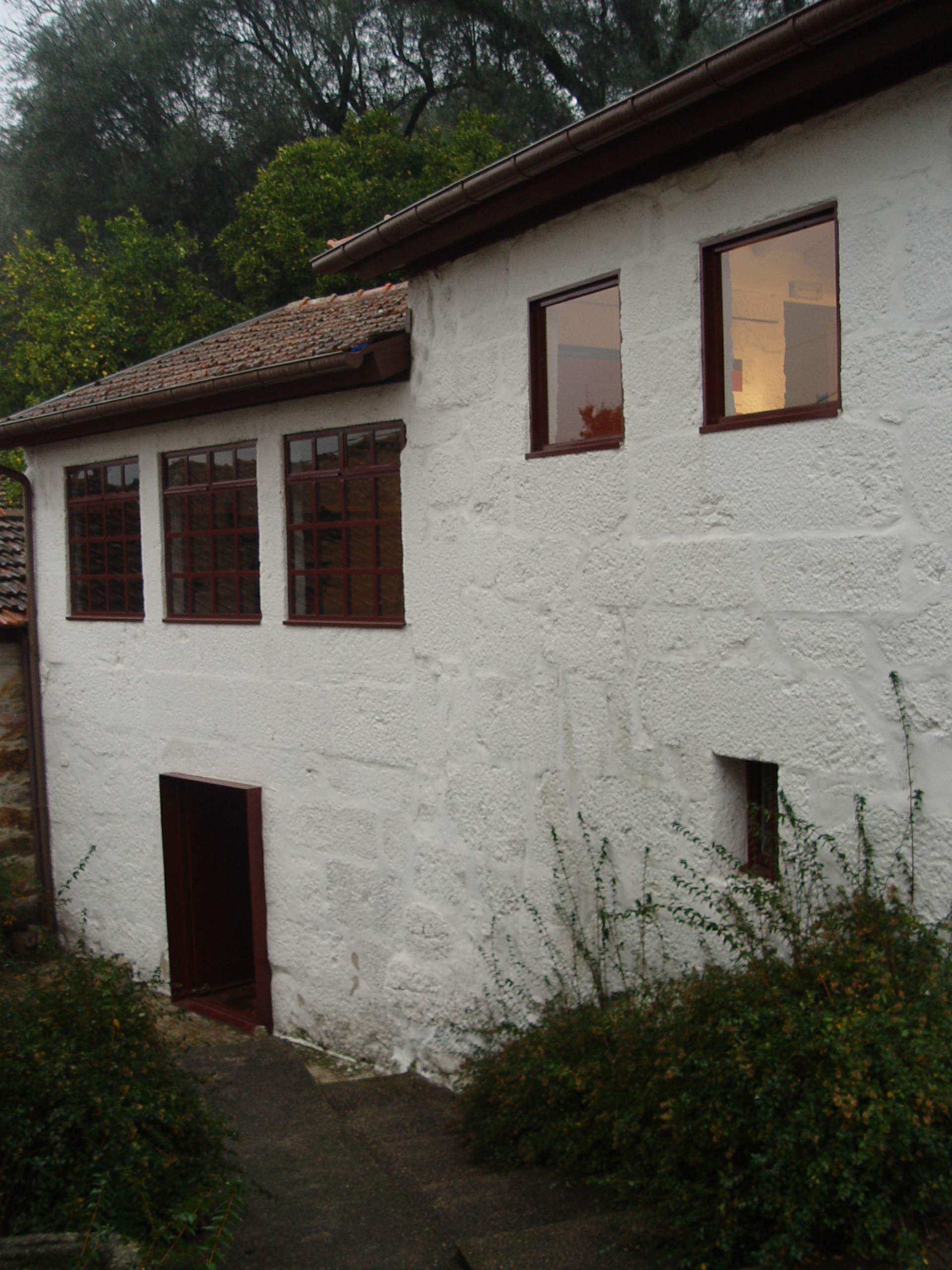
The museum occupies two decommissioned goldsmithing workshops from different periods, both part of a complex known as Casa da Alfena. Inside, four exhibition spaces have been set up: a reconstruction of a 1950s workshop, a room dedicated to gold, a temporary exhibitions room, and a recreated traditional Portuguese gold shop. The displays include tools and equipment from old workshops, silver objects, and a wide variety of gold pieces — bead necklaces, reliquaries, rings, Maltese crosses, spindle heads, pectorals, and crucifixes. The collection also holds archaeological finds, including a Copper Age diadem and a Roman earring.
Who can visit, and when is the museum open?
Museu do Ouro is closed from Monday to Friday and welcomes visitors on Saturdays and Sundays from 2:30 pm to 5:30 pm. School groups and other organized visits can be scheduled at additional times by prior booking.
Frequently asked questions
Where exactly is the museum located? In the village of Travassos, in the municipality of Póvoa de Lanhoso, Braga district, northern Portugal.
When was the museum founded? It opened on March 3, 2001, although the idea for it originated in the 1980s.
Whose collection forms the basis of the museum's holdings? The collection of Francisco de Carvalho e Sousa, a goldsmith with fifty years of professional experience.
What is filigree? A goldsmithing technique that creates ornamental forms from thin, intertwined threads of gold or silver, with a long tradition in the Travassos area.
What are the visiting hours? Saturdays and Sundays from 2:30 pm to 5:30 pm; organized groups can arrange other times.
Nearby places

Earn badges for the places you visit
Download NextOnTrip, discover new places and check off your trails.