About this place
Museu de Lisboa – the museum of Lisbon's history
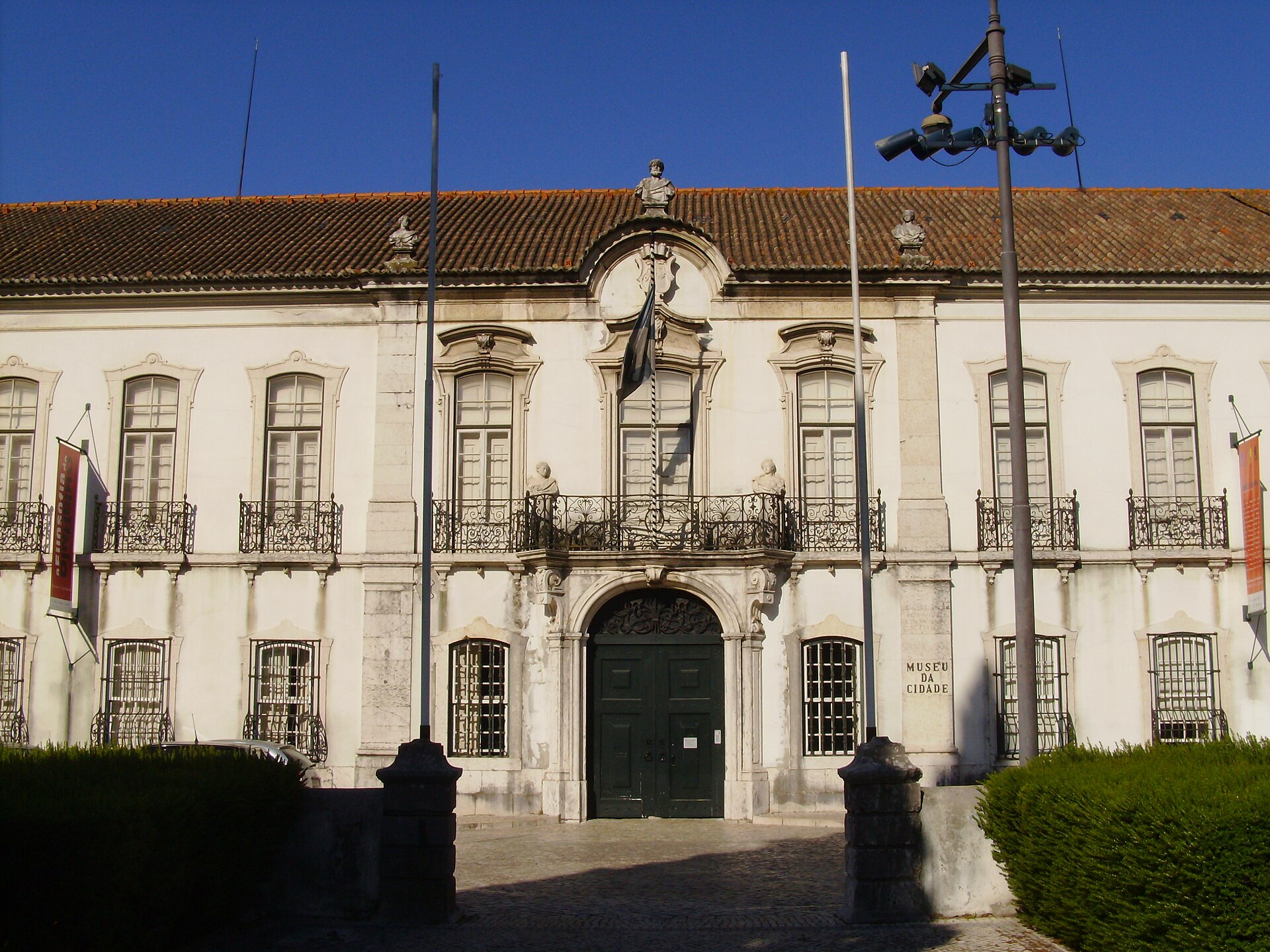
Museu de Lisboa (the Museum of Lisbon) is a network of museums devoted to the history of Portugal's capital, from prehistoric times to the present day. It is not a single building but several sites across the city. The best known is Palácio Pimenta in the Campo Grande district, but the network also includes venues on Praça do Comércio in the Baixa and the Casa dos Bicos in Alfama.
What is the Museu de Lisboa?
Wikidata describes it as the museum of the City of Lisbon. Its purpose is to tell how the capital developed: from the earliest settlements, through the Roman and Moorish city, to a modern metropolis. Spreading the story over several locations gives each chapter a fitting home.
Where is the main site?
Palácio Pimenta stands on Campo Grande, north of central Lisbon, at roughly 38.758° N, 9.157° W. Access is from Campo Grande, near Rua Cipriano Dourado. OpenStreetMap lists opening hours as "24/7", which most likely refers to the grounds rather than the galleries. Check the official website for gallery hours before you go.
History of the palace
Palácio Pimenta is a former summer residence built in the first half of the 18th century. It takes its name from one of its successive owners, Manuel Joaquim Pimenta. Lisbon City Council acquired the building in 1962. The City Museum (Museu da Cidade), housed since 1942 in the Palácio da Mitra, was moved here, and the new museum opened its doors in 1979.
What to see in the collection
The collection includes paintings, ceramics, engravings, maps, azulejo tiles and archaeological finds. Together they show the urban, social, economic and symbolic development of Lisbon. The permanent exhibition runs chronologically: it begins with prehistoric Lisbon, then moves through the Roman and Moorish city, medieval Lisbon, the city of the 16th century and the Age of Discovery, and on to the wealthy 18th-century city destroyed by the Great Earthquake of 1755. Sculpture, painting and a model of 18th-century Lisbon show what the city looked like before the disaster.
Who is it for?
The museum suits anyone who wants to understand where today's Lisbon comes from. It works well as an introduction to the city, because it sorts the eras into order and helps you recognise traces of history on the streets afterwards. The model of pre-earthquake Lisbon is a useful reference for anyone wondering how much of the old city survived.
Frequently asked questions
Is the Museu de Lisboa a single building? No. It is a network of museums at different places in Lisbon, including Palácio Pimenta, a venue on Praça do Comércio and the Casa dos Bicos.
Where is Palácio Pimenta? On Campo Grande, near Rua Cipriano Dourado.
What period does the collection cover? From prehistory up to the 20th century, while the network as a whole covers the city from its earliest times to the present.
When did the museum open in the palace? In 1979, after the city bought the building in 1962.
Which exhibits stand out? The model of 18th-century Lisbon before the 1755 earthquake, azulejo tiles, maps, engravings and archaeological finds.
Nearby places

Earn badges for the places you visit
Download NextOnTrip, discover new places and check off your trails.