About this place
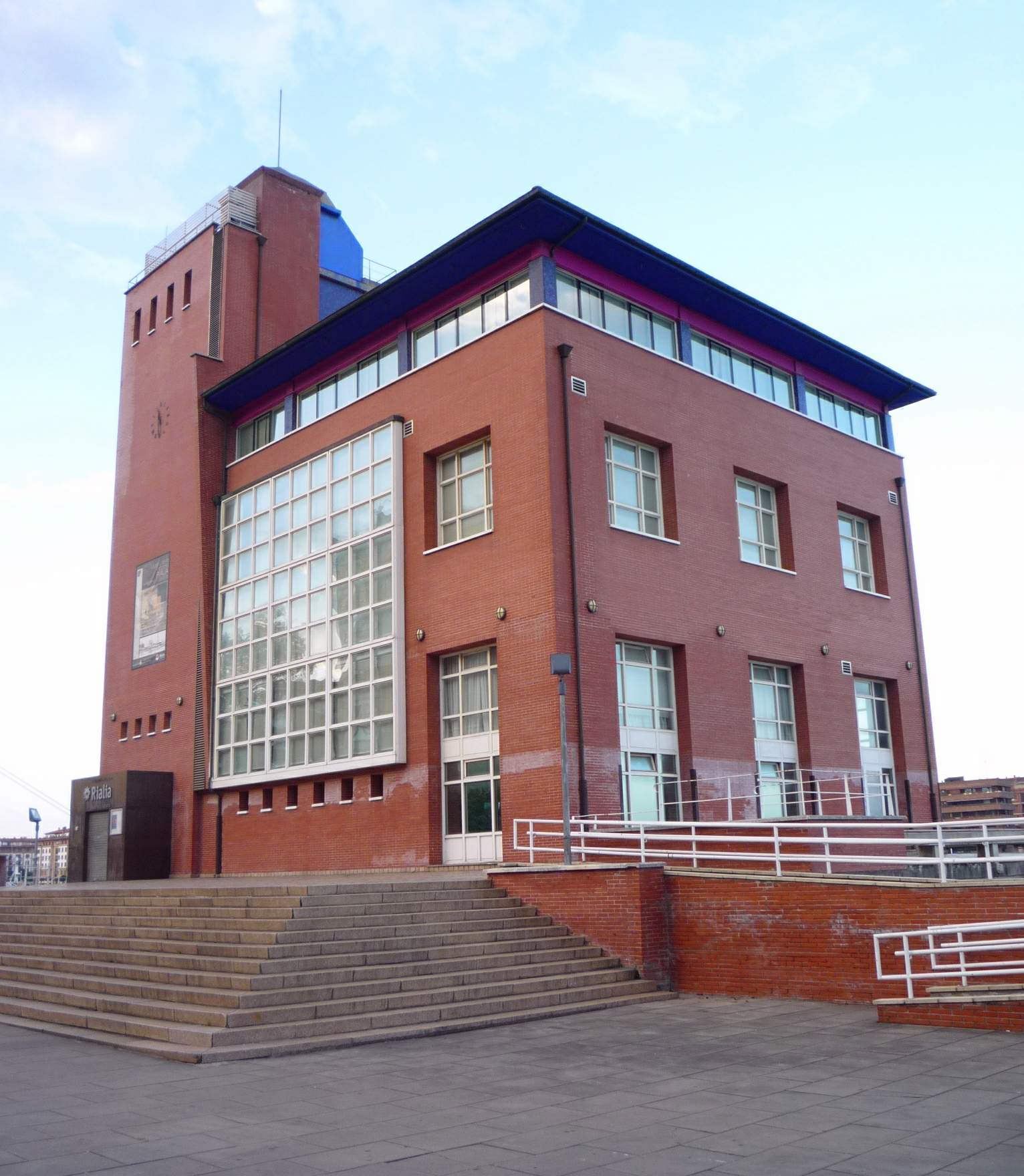
Museo Memorial del Cinturón de Hierro in Berango is a small but substantial museum dedicated to one of the key defensive lines of the Spanish Civil War. It sits inside the Centro de Cultura de Berango, just a short walk from the surviving machine-gun nests that once guarded the approach to Bilbao.
What exactly was the Cinturón de Hierro?
The Cinturón de Hierro, or "Iron Belt," was a defensive network built by the Basque Government between 1936 and 1937. The line stretched roughly 80 kilometers, running from Zierbena to Berango, and was designed to stop General Franco's forces from reaching Bilbao. It combined trenches, gun emplacements, and bunkers dug into the hills and coastline of the Uribe Kosta area.
The story behind it is a hard one: despite the scale of the construction effort, the line collapsed after just 48 hours of intense fighting that ultimately decided the fate of Bilbao. The museum doesn't soften this — it presents both the ambition behind the project and the speed of its failure.
What will you actually see inside?
The exhibition space is compact but well designed. Modern, clear staging walks visitors through why and how the Iron Belt was built, what the fortifications looked like, and why this particular stretch of coast was chosen. There's a short documentary film to watch, plus a collection of period military items — weapons alongside smaller, more personal objects that belonged to the soldiers stationed here.
The real highlight, though, is stepping outside afterward: genuine ruins of the old gun positions still stand nearby, giving a far more visceral sense of scale than any display case could.
How do you get there, and how long should you plan?
The museum is located at Simón Otxandategi Etorbidea 64, right in the center of Berango, a small town in the Uribe Kosta area a short drive from Bilbao. Driving or taking local public transport from Bilbao is the easiest way in — Berango sits close to the coast, so it pairs naturally with a beach stop in Sopela or Gorliz.
A visit to the exhibition itself usually takes 45 to 60 minutes. If you also want to walk out to the nearby bunkers and gun positions along the Berango–Sopela stretch, block out 2 to 3 hours for the full experience.
When is the best time to visit?
The museum runs on the schedule of a local cultural center, with hours that vary by day — typically midday and late-afternoon slots on weekdays, and shorter windows on weekends. It's worth checking Berango's town council website before you go, since hours can shift seasonally.
Spring and autumn tend to make for the most comfortable visit — the outdoor walk to the bunkers can get hot and shadeless in summer, while some stretches may be muddy after rain in winter.
Frequently asked questions
Is there an entrance fee? The museum operates as a municipal cultural facility run by the Berango town council — it's worth confirming current admission details directly before your visit, as sites like this in the region are usually free or charge only a token fee.
Can you actually see real bunkers, or is it just an indoor exhibit? Both — the museum provides the historical context, and the surrounding area between Berango and Sopela still holds genuine machine-gun nests and fortification remains you can walk up to.
Is this a good visit with kids? The subject matter is serious (civil war, combat, human loss), so it works better for older children and teenagers with an interest in history than for very young visitors.
How much time should I set aside for the whole visit? The exhibition hall alone takes about an hour; add the walk to the nearby bunkers and plan for 2 to 3 hours if you want to see everything at a relaxed pace.
Nearby places

Earn badges for the places you visit
Download NextOnTrip, discover new places and check off your trails.