About this place
Museo de la Capilla Real is a small but remarkably dense museum in Granada, tucked inside the Royal Chapel right next to the cathedral. In its sacristy-museum you'll find the personal belongings of Queen Isabella the Catholic, and it's a good place to understand why this corner of the city has drawn history-minded travelers for centuries.
What's actually inside?
The chapel was commissioned by Isabella of Castile and Ferdinand of Aragon as their burial place after the conquest of Granada in 1492, which ended Muslim rule on the Iberian Peninsula. Architect Enrique Egas built it in the late Gothic (Isabelline) style around the turn of the 16th century. Inside the chapel itself stand the marble tombs of the Catholic Monarchs along with those of their daughter Juana and her husband, Philip the Handsome.
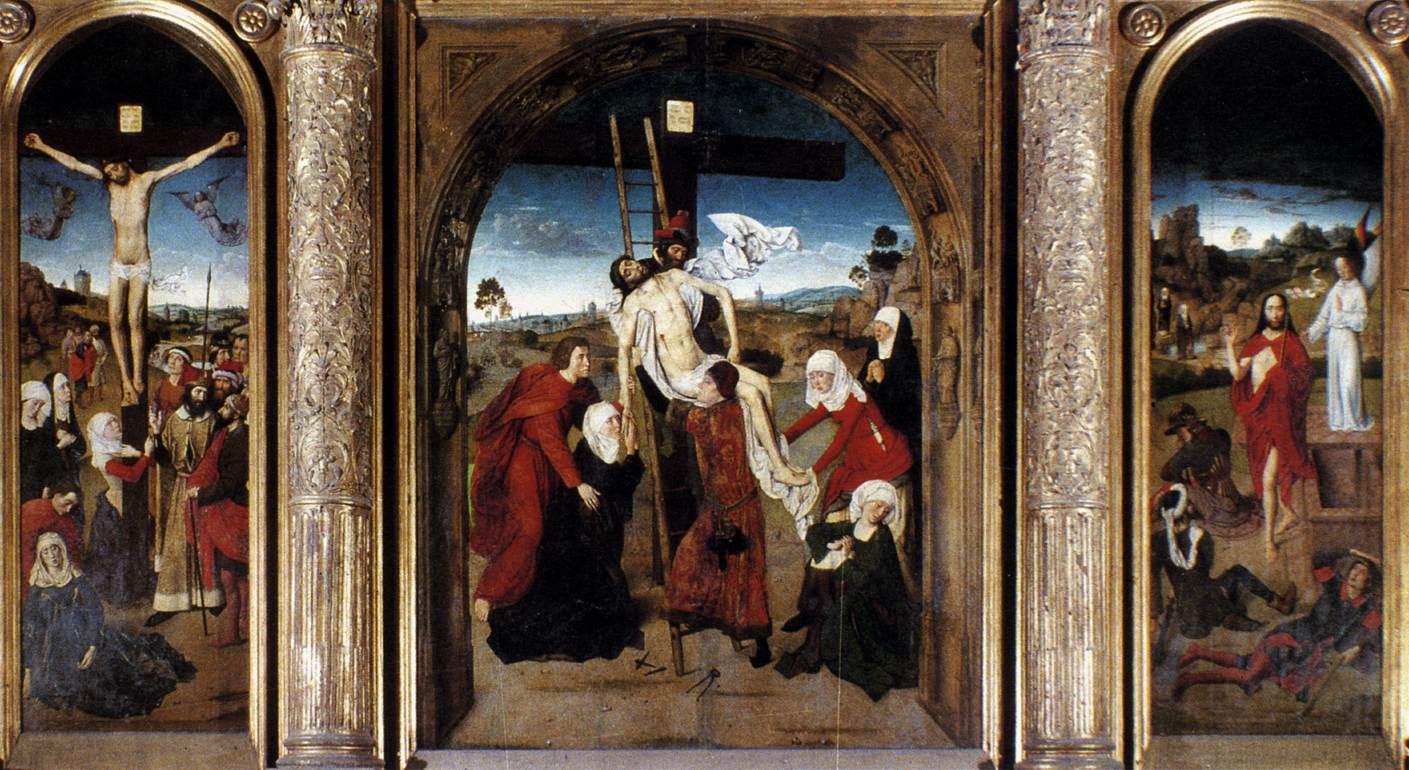
The museum, set in the adjoining sacristy, has a completely different feel — smaller, more personal, less monumental. Display cases hold the objects Isabella asked to be buried with: her crown, her scepter, her personal mirror, and King Ferdinand's sword. Alongside these sit 15th- and 16th-century paintings and sculptures, several drawn from the queen's own collection, which was known for its Flemish religious art.
How do you get there, and when should you go?
The chapel and museum sit right in the historic center of Granada on Calle Oficios, a short walk from the cathedral and Plaza Bib-Rambla. It's easiest reached on foot from Plaza Nueva or Puerta Real, both firmly in the tourist core of the city, so getting there is never the issue. The site is open Monday through Saturday and closed on Sundays and public holidays — worth checking before you plan a weekend visit.
How long should you plan for?
A visit to the chapel and museum together typically takes 30 to 45 minutes. It's not a place to build a whole morning around, but it pairs naturally with a visit to the cathedral and the nearby Alcaicería market. The rooms are small, so during peak season it can get crowded — arriving right at opening time helps.
Why does it matter?
Few places in Spain make political history this tangible: the unification of Castile and Aragon, the end of Muslim rule in Al-Andalus, and the dawn of Spain's age of exploration are all represented here through actual objects rather than plaques. The museum's Flemish painting collection tends to get overlooked by visitors focused entirely on the Alhambra, yet it offers a genuine window into the artistic taste of the Spanish royal court around 1500.
Frequently asked questions
Do I need a separate ticket for the museum? No — entry to the sacristy-museum is included in the same ticket as the Royal Chapel visit; there's no extra fee to see the collection.
Are the tombs of the Catholic Monarchs real? Yes. Beneath the marble monuments in the crypt lie the actual coffins of Isabella and Ferdinand, along with those of Juana and Philip the Handsome — it's not a purely symbolic memorial.
Should I combine this with the Granada Cathedral? Definitely — the chapel and cathedral are connected and sit on the same street, so pairing the two visits is logistically easy and takes about ninety minutes in total.
Is photography allowed inside the museum? Photography rules can change, so it's best to check current conditions at the ticket desk or on capillarealgranada.com before your visit.
Nearby places

Earn badges for the places you visit
Download NextOnTrip, discover new places and check off your trails.