About this place
Museo de Ciencias Naturales de Álava is a natural history museum in Vitoria-Gasteiz, housed inside a medieval tower right in the heart of the old town.
Where is it and how do you get there?
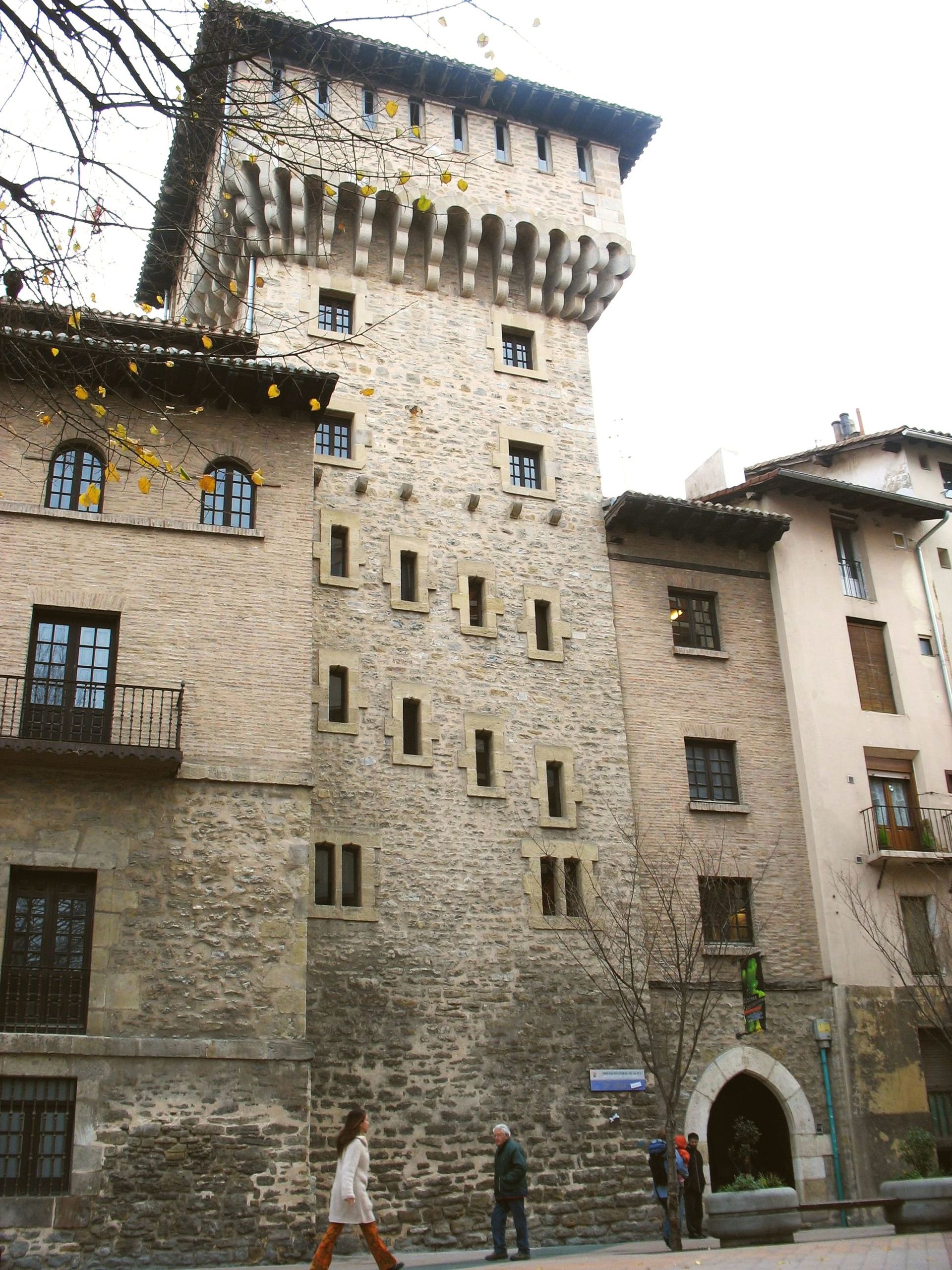
The museum occupies the Torre de Doña Ochanda (also known as Doña Otxanda), a fortified tower and adjoining palace in the historic centre of Vitoria-Gasteiz, capital of the Basque Country. The building dates back to the early 15th century, and in the 16th century it was rebuilt by Andrés Martínez de Iruña, who named it after his daughter, Doña Ochanda. The tower's current crenellated silhouette comes from a 1971 restoration, which raised and recreated the top of the structure. Because it sits within the old quarter, the museum is an easy stop on foot while wandering the historic streets — it fits naturally into a walking tour of Vitoria's medieval core.
What will you see inside?
The collection is spread across three floors and covers botany, palaeontology, mineralogy and zoology. That range gives visitors a compact overview of the natural sciences under one roof, which makes it a practical stop for families and school groups alike. The museum also holds a substantial library, with scientific periodicals alone numbering over a thousand titles, making it a genuine research resource for the region.
The undisputed highlight is the collection of Lower Cretaceous amber from Peñacerrada, one of the most significant palaeontological deposits anywhere in the world. These specimens offer a window tens of millions of years into the past, revealing what life looked like in this part of Spain during the age of the dinosaurs — a find of a scale rarely matched even by larger institutions.
The building itself is part of the attraction. It's worth pausing to take in the defensive architecture of the tower, its thick walls and battlements, which recall the fortified residence this once was.
When should you visit, and how long does it take?
The museum opens Tuesday to Saturday from 10:00 to 14:00 and 16:00 to 18:30, and on Sundays and public holidays from 11:00 to 14:00. It is closed on Mondays, unless a Monday falls on a public holiday. Allow roughly an hour to ninety minutes to see all three floors at a comfortable pace, depending on whether you want to linger over every section or focus mainly on the amber collection.
Given the museum's compact, intimate scale, visiting in the morning — outside peak tourist hours, especially in summer when Vitoria-Gasteiz draws more visitors — tends to make for a calmer experience.
Who is this museum for?
Families travelling with children curious about nature and palaeontology will find plenty to enjoy, and so will anyone interested in historic architecture, since the tower itself is a monument worth seeing regardless of what's on display inside. The combination of a medieval building with a modern museum function is an unusual and rewarding pairing.
Frequently Asked Questions
Where exactly is the museum located? Inside the Torre de Doña Ochanda, in the historic centre of Vitoria-Gasteiz, in the Basque Country.
What is the museum's biggest highlight? The collection of Lower Cretaceous amber from Peñacerrada, one of the world's key palaeontological deposits, alongside its botanical, mineralogical and zoological collections.
What are the opening hours? Tuesday to Saturday 10:00–14:00 and 16:00–18:30, Sundays and holidays 11:00–14:00. Closed on Mondays, except when a Monday is a public holiday.
How much time should I set aside? About an hour to ninety minutes is enough to see all three floors of the exhibition.
Nearby places

Earn badges for the places you visit
Download NextOnTrip, discover new places and check off your trails.