About this place
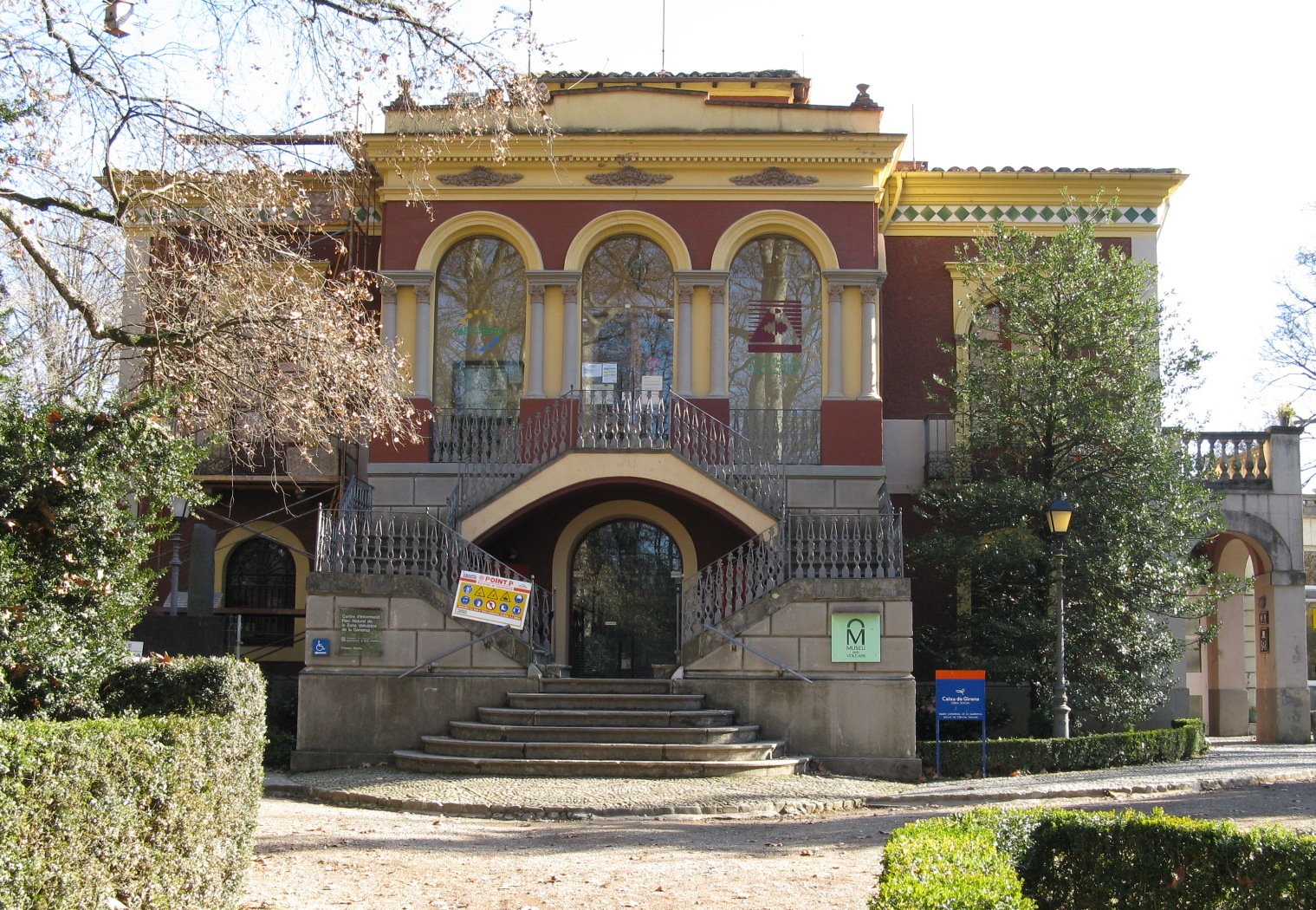
Museo Darder is a natural history museum in Banyoles, the capital of the Pla de l'Estany region in Girona province, Catalonia. The collection began as the private assemblage of veterinarian and naturalist Francesc Darder i Llimona, who donated it to the town in 1916 — making this one of the oldest museums in the whole Girona region.
What will you see inside?
The exhibition holds thousands of pieces gathered over decades: taxidermied animals, fossils, minerals, insect and mollusk specimens, skeletons, and archaeological and ethnographic objects. The taxidermy collection, the heart of Darder's original gift, lets visitors get close to animals that are otherwise hard to observe — from large mammals to small species typical of the local countryside.
A separate section is devoted to Lake Banyoles (Estany de Banyoles), Catalonia's largest natural lake, right next to the museum. It explains the hydrogeological phenomenon behind the lake's formation — how groundwater feeds the basin and shapes the unusual ecosystem this corner of Girona is known for.
The history behind the collection
The museum officially opened on 22 October 1916, when Francesc Darder handed his collections over to the municipality of Banyoles. The displays changed little for decades until a full renovation began in 2003, with the modernized museum reopening to the public in 2007. The updated building kept the feel of a 19th-century cabinet of natural history while adding new thematic sections and better presentation of the pieces.
Museo Darder belongs to the Network of Local Museums of Catalonia-Girona, which means it coordinates with other regional institutions on temporary exhibitions and educational programs.
How to get there?
Banyoles sits roughly 130 km north of Barcelona and a short drive from Girona, from where a car or local bus is the easiest way in. The museum stands in the town center, close to the lakeshore, so a visit pairs naturally with a walk or bike ride around the lake — one of the most popular outdoor routes in the region.
When to visit?
Banyoles and its lake are worth visiting year-round, but spring and autumn offer the most comfortable temperatures and fewer crowds along the lakeside paths. Summer draws visitors who come to enjoy the lake itself, which makes it easy to combine a swim or a walk with a museum visit during the cooler parts of the day.
Frequently asked questions
What makes Museo Darder different from a typical natural history museum? Its defining feature is the historical character of the collection — the pieces come mainly from one early 20th-century naturalist's private gift rather than from systematic modern acquisitions, giving the exhibits both scientific and historical value.
Is the museum suitable for children? Yes, the taxidermied animals and skeletons usually appeal to younger visitors, and the lake section explains the natural phenomena right outside the museum's windows in simple terms.
How long does a visit take? Given the size of the exhibition, a visit typically takes between one and one and a half hours, depending on pace and interest in each room.
Is it worth combining with other things to do in Banyoles? Yes — the museum is close to Lake Banyoles, so a natural way to round out the visit is a walk or bike ride along the shore and some time in the town's old center.
Nearby places
Earn badges for the places you visit
Download NextOnTrip, discover new places and check off your trails.