About this place
The Museo Arqueológico de la Necrópolis in Carmona ranks among the most significant archaeological sites in Andalusia — a Roman burial ground regarded as one of the largest and best-preserved funerary complexes on the Iberian Peninsula. Together with the surrounding grounds, it forms the Conjunto Arqueológico de Carmona, an open-air museum displaying part of the ancient suburbs of the Roman town of Carmo.
What will you see there?
A visit takes you across the extensive necropolis grounds, where the burials date mainly from the 1st and 2nd centuries AD. Two features give the site its distinctive character: the widespread use of cremation as the burial rite, and underground funerary chambers carved directly into the rock, known as hypogea. Many are reached through a shaft or a staircase, and cremation urns were placed inside them. The grounds also hold the remains of family tombs richly decorated with sculpture, inscriptions and mural paintings, blending local traditions with typically Roman funerary customs.
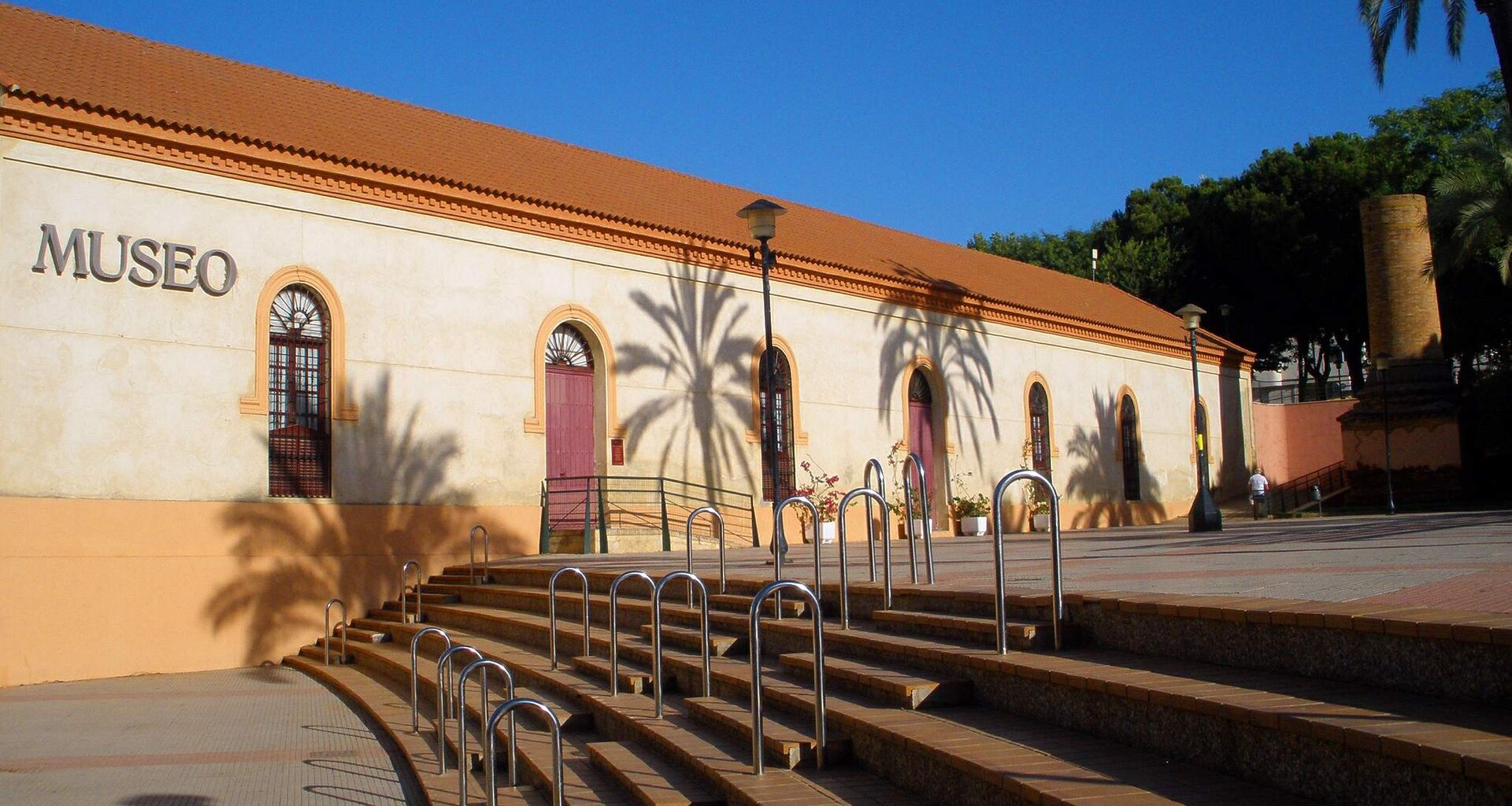
The museum building itself is a remodeling of Spain's very first on-site archaeological museum, built in 1888. Inside, visitors can view a collection of finds recovered during excavations: cremation urns, sculptures that once adorned the funerary complexes, and smaller everyday and votive objects.
Why does this site matter?
The Carmona necropolis holds particular historical weight — it was the first site in Spain to be systematically excavated and opened to the public, back in 1885. The museum that followed a year later became the country's first purpose-built site museum, predating other Spanish archaeological museums attached to excavation sites. For anyone interested in ancient Rome or archaeology, it offers a rare chance to see genuine burial chambers nearly two thousand years old, largely unchanged since their discovery.
How do you get there?
The Museo Arqueológico de la Necrópolis sits on the outskirts of Carmona, a small town in Seville province roughly 30 kilometers from the Andalusian capital. The easiest way to reach it is by car or by bus from Seville — Carmona lies on the main route toward Córdoba, making it a convenient stop when touring the region. The town's old quarter, full of Mudéjar-era monuments and overlooking the Guadalquivir valley, pairs well with a museum visit as part of a day trip.
When should you visit?
Spring (March to May) and autumn (September to October) are the best times to visit, when Andalusian temperatures are milder and walking around the open-air necropolis is more comfortable. Summers in this part of Spain can be intensely hot, especially around midday, so it's worth planning a visit for the morning hours.
Frequently asked questions
What sets the Carmona necropolis apart from other Roman burial sites? Its scale and state of preservation stand out — it's one of the largest and best-preserved Roman funerary complexes on the Iberian Peninsula, and it was also the first site in Spain to be systematically excavated and opened to the public, in 1885.
What are hypogea, and why do they matter here? Hypogea are underground burial chambers carved into the rock, reached through a shaft or staircase. At Carmona, they held urns containing cremated remains and are one of the necropolis's defining features.
Can visitors see original archaeological finds at the museum? Yes. The museum building — created in 1888 as Spain's first on-site archaeological museum — displays a collection of urns, sculptures and objects recovered from excavations across the necropolis.
How long does a visit take? Touring both the necropolis grounds and the museum exhibition typically takes one to two hours, depending on your pace and how many burial chambers are open at the time.
Nearby places

Earn badges for the places you visit
Download NextOnTrip, discover new places and check off your trails.