About this place
Monument to Viriato stands in Zamora, a historic city in Spain's Castile and León region, right on Plaza de Viriato in the heart of the old town. It's a natural landmark for anyone exploring the historic quarter and one of the most recognizable pieces of public art in the city.
What does the monument show?
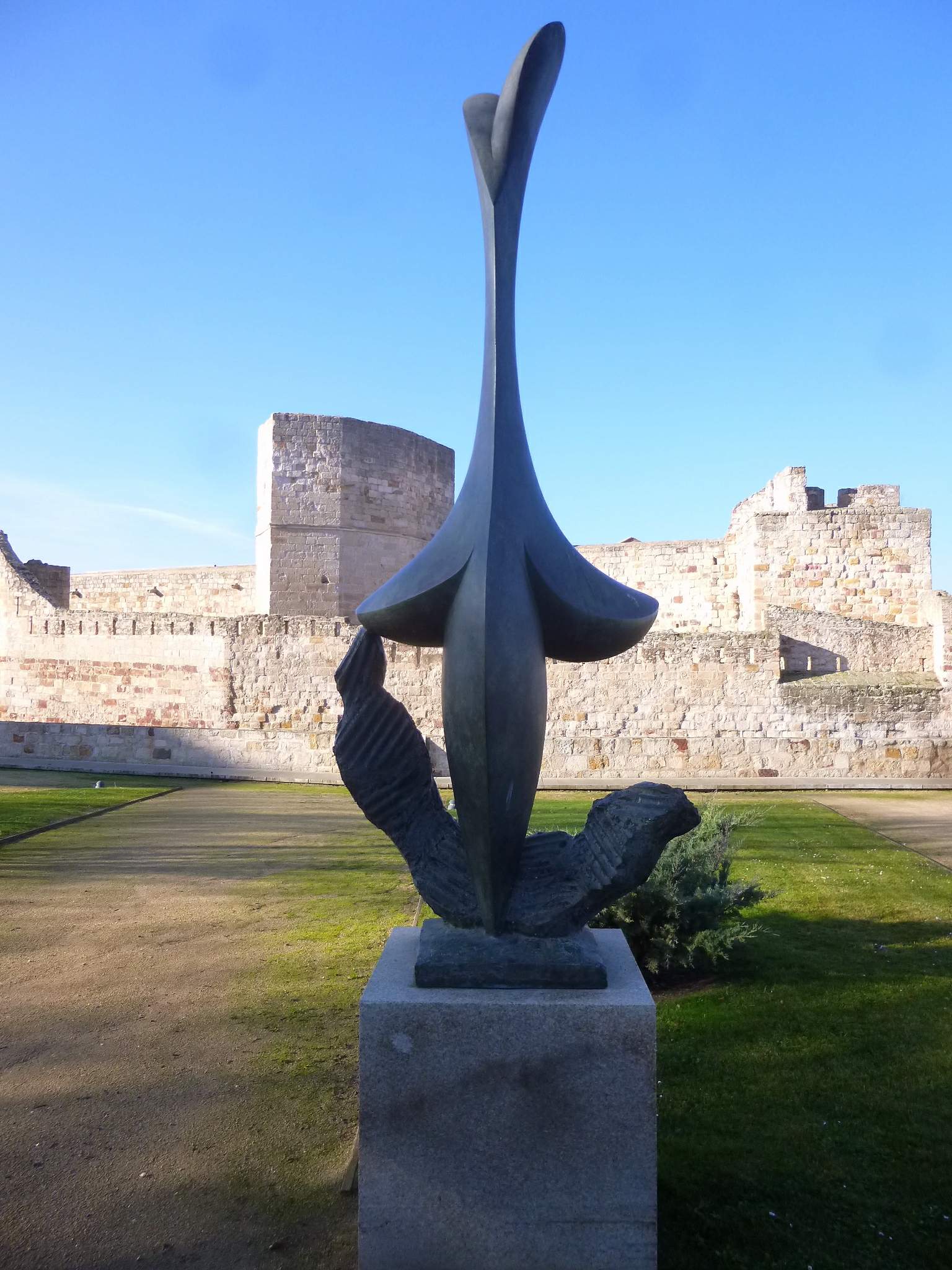
The monument is a bronze figure of Viriathus, portrayed as a Lusitanian chieftain-shepherd, mounted on a rough-hewn stone pedestal. The pedestal incorporates the shape of a battering ram, a nod to the warrior's military past. The coarse, unpolished base contrasts sharply with the smooth bronze figure above it, emphasizing the strength and simplicity of the man it honors. That contrast between raw stone and refined metal is the first thing most visitors notice on the square.
Who was Viriathus?
Viriathus led the Lusitanians, a people from what is now western Spain and Portugal, in resistance against Roman conquest during the 2nd century BC. For several years he waged a highly effective guerrilla campaign against Roman legions, relying on knowledge of the terrain and surprise tactics, before being killed by envoys he himself had sent to negotiate with the Romans. Over time he became a symbol of independence and defiance against foreign invaders across the region, which is why Zamora, close to the historic Lusitanian territories, chose to honor him with a monumental bronze statue.
How do you get there?
Plaza de Viriato sits in Zamora's historic center, within walking distance of the cathedral and the medieval city walls. Anyone exploring the old town will almost inevitably pass through this square, naturally linking it with other viewpoints above the Duero river. Driving into the historic zone itself is restricted, so it's more practical to park at the edge of the old town and continue on foot - which is also the best way to appreciate Zamora's layout.
What else is worth seeing nearby?
The square and the surrounding streets offer views over the Duero valley, and other landmarks of old Zamora sit just a short walk away: Romanesque churches, stretches of the old defensive walls, and the stone architecture of the historic center. Seeing the monument itself takes only a few minutes, but the square makes a good starting point for a longer walk through the city's oldest quarter, where further sights are only minutes apart on foot.
When should you visit?
The square is open year-round, at any hour, and admission is free. Spring and autumn offer the best conditions for sightseeing and photography, with mild temperatures and favorable light for capturing the bronze figure against its stone base. Summers in Zamora can get quite hot and winters cold, but the monument itself can be visited regardless of the season or weather.
Frequently Asked Questions
Where is the Monument to Viriato located? On Plaza de Viriato, in the historic center of Zamora, in Spain's Castile and León region.
What is the monument made of? A bronze figure of Viriathus set on a rough stone pedestal shaped to include a battering ram.
Who was Viriathus? The leader of the Lusitanians, who resisted Roman conquest in the 2nd century BC before being betrayed and killed by his own envoys.
Is there an entrance fee for the square? No, the square is public and free to visit at any time, day or night, throughout the year.
Nearby places

Earn badges for the places you visit
Download NextOnTrip, discover new places and check off your trails.