About this place
Montaña de Riaño y Mampodre Regional Park is one of the largest protected areas in the Spanish province of León, stretching across the northeastern part of Castilla y León at the headwaters of the Esla, Porma, and Cea rivers. Covering more than 101,000 hectares of the Cantabrian Mountains, it carried the name Picos de Europa Regional Park until 2019 and still borders that famous massif, together forming one continuous limestone range.
What does the landscape look like?
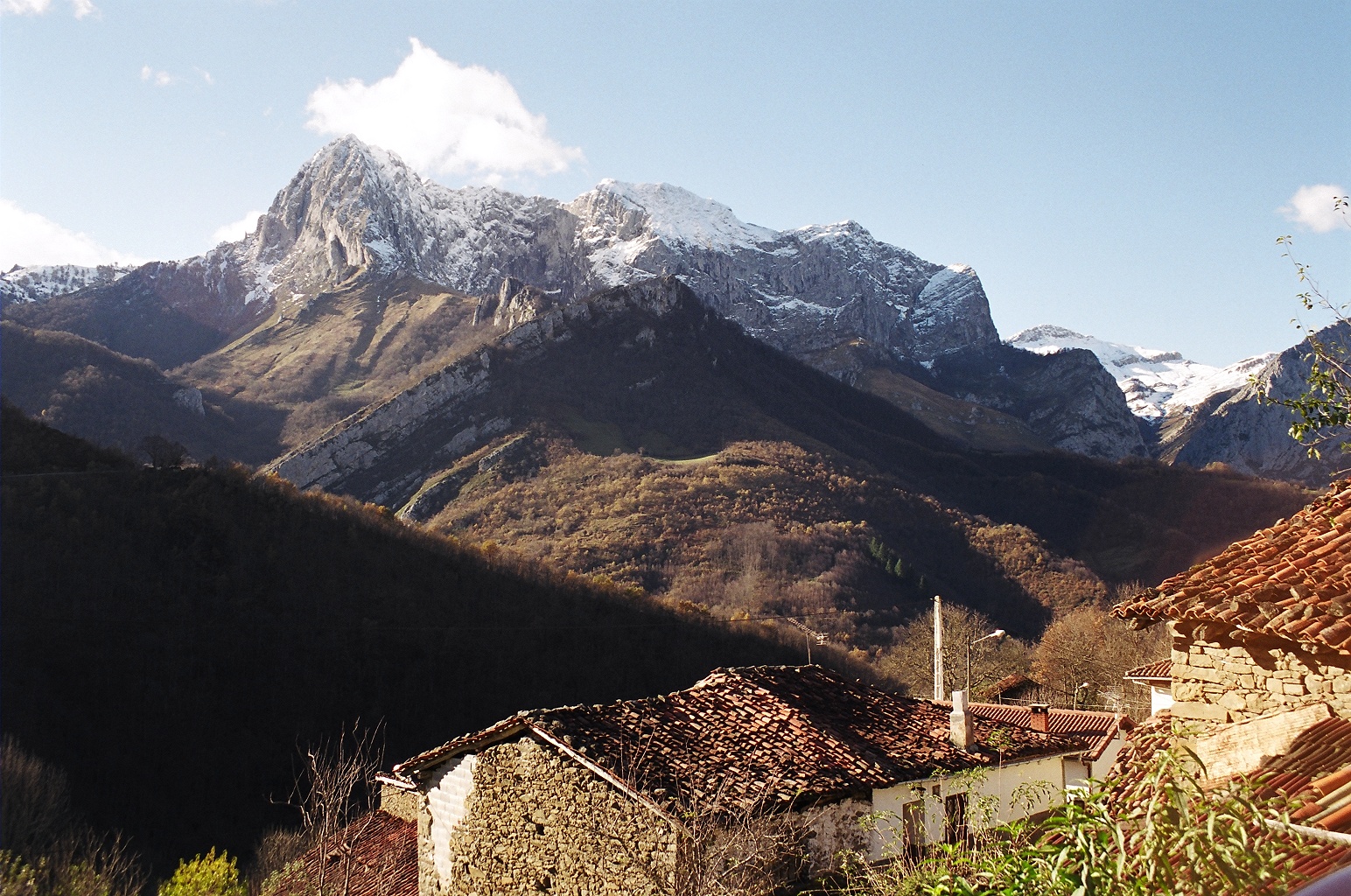
The terrain here spans extreme elevation differences, from valley floors below 1,000 meters to peaks rising past 2,000 meters. Combined with the neighboring Picos de Europa, the park forms the largest limestone formation in Western Europe, shaped by intense karst activity — sinkholes, caves, and karst shafts plunging more than 1,000 meters deep. Traces of past glaciation are equally striking, with sharp ridgelines, glacial cirques, and U-shaped valleys carved by ice that once covered these summits.
What plants and animals live in the park?
Beech forest is the dominant woodland type, covering the mid-altitude slopes before giving way to rocky highlands and mountain pastures higher up. The park's wildlife ranks among the richest in mainland Spain: brown bears, wolves, Cantabrian chamois, and capercaillie all inhabit the area — the latter a species particularly sensitive to habitat change and widely used as an indicator of healthy mountain ecosystems. Their presence makes the park one of the key ecological corridors in northern Spain.
What draws visitors to this region?
The park offers 47 marked mountain trails leading to its main peaks and passes, including the route to Pico Gilbo via Camino de las Viescas, the climb to Collado de Llesba toward Coriscao, and the ascent of Pico Yordas. Routes vary widely in length and technical difficulty, so visitors can choose anything from easy scenic walks to demanding high-mountain climbs overlooking river valleys and limestone ridgelines. The region attracts hikers, wildlife watchers, and landscape photographers alike, and its proximity to Picos de Europa makes it easy to combine both areas in a single trip.
How to get there and where to stay?
The park lies in the northeastern part of León province, near towns such as Riaño, which serves as the natural gateway into the mountains. It's worth basing a stay there before heading out on longer routes, since the interior of the park remains wild and sparsely settled, with only a handful of small settlements in its higher reaches.
Frequently asked questions
Can you spot wildlife in the park? Yes, the area is home to brown bears, wolves, and Cantabrian chamois, though direct sightings are rare given how elusive these species are and how vast the terrain is.
How difficult are the park's trails? The park's 47 routes range widely in difficulty, from easy scenic paths to demanding ascents of peaks above 2,000 meters that require good fitness and proper preparation.
How does this park differ from the nearby Picos de Europa? Both areas form one continuous limestone range and shared the same administrative name until 2019 — the current split reflects a change in boundaries and naming, though geologically and scenically they remain a single unit.
Nearby places

Earn badges for the places you visit
Download NextOnTrip, discover new places and check off your trails.