About this place
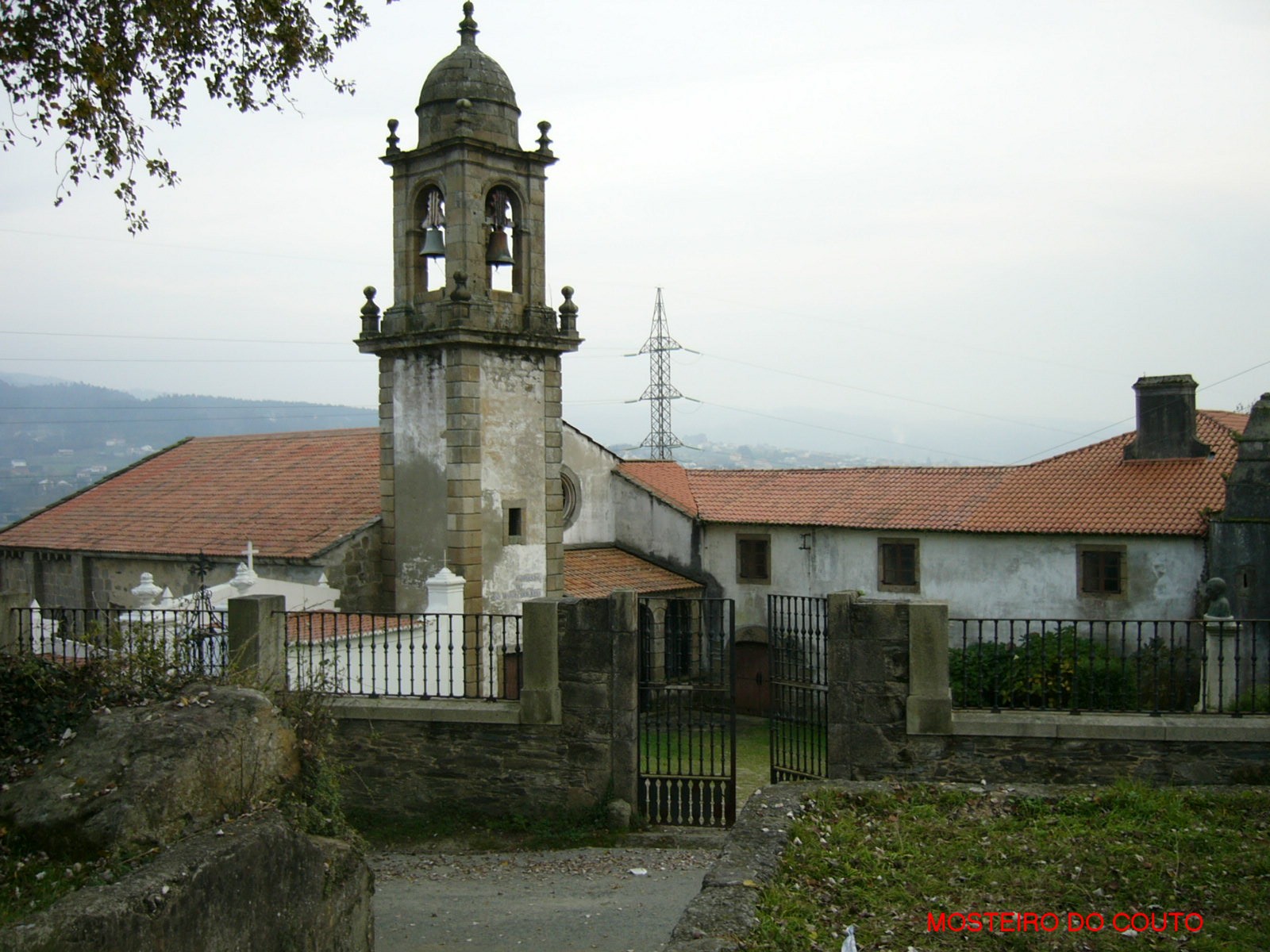
Monastery of Xuvia (Spanish: Monasterio de San Martiño de Xuvia) is a former Benedictine monastery in Narón, in the Galician province of A Coruña, within the Ferrol district. It stands in the parish that shares its name, locally known as O Couto, and today survives mainly as a parish church and an adjoining rectory building — the last visible remnants of a religious community with roots stretching back nearly a thousand years.
How old is the monastery?
The earliest written records of the community date to the 10th century, though local tradition places its origins even earlier, possibly in the 8th or 9th century. Its early history was turbulent: accounts describe the settlement being destroyed during a Viking raid and later rebuilt under the direction of a local bishop. The precise details of these earliest centuries remain difficult to pin down, but the site was clearly established as a religious center in this part of Galicia well before the high Middle Ages.
What was the monastery's connection to Cluny?
The defining chapter in the monastery's history opened in the early 12th century, when the powerful Traba family, then dominant across northern Galicia, donated the site to the Burgundian abbey of Cluny, turning it into one of Cluny's priories. From that point the community was split into two separate households sharing adjoining buildings: one for Benedictine monks, the other for nuns. The women's community lasted until the early 16th century, when its members were transferred to the monastery of San Paio de Antealtares in Santiago de Compostela. The Romanesque church that still stands today was built during this Cluniac period of prosperity.
What happened to the monastery afterward?
In 1518 the community formally broke its ties with Cluny and was absorbed first into the monastery of San Martiño Pinario and later into San Salvador de Lourenzá. Religious life at the site finally ended in 1836, when it was suppressed under Mendizábal's disentailment laws, the sweeping Spanish reforms that secularized church property. The monastic buildings declined afterward, but the parish church and its adjoining rectory survived and remain in use to this day.
What can visitors see there now?
Visitors today find a Romanesque parish church — the best-preserved element of the former monastic complex — standing beside the old rectory building. The ensemble was declared a site of historic and artistic interest in 1972, recognizing its importance to the heritage of the Ferrolterra area. The monastery sits in the valley of the Xuvia River, amid the green countryside typical of this part of Galicia, making it a rewarding stop for anyone interested in Romanesque architecture or the monastic history of northern Spain.
Frequently Asked Questions
What was the Monastery of Xuvia? It was a Benedictine monastery that became a priory of the abbey of Cluny in the early 12th century, active in Narón, Galicia, for nearly a thousand years before its closure in the 19th century.
When did the monastery stop functioning as a religious community? The community was dissolved in 1836 as part of Mendizábal's disentailment, the Spanish law that secularized church-owned property nationwide.
What remains of the original monastic complex? The Romanesque parish church and the adjoining rectory building survive; the ensemble was declared a site of historic and artistic interest in 1972.
Where exactly is the monastery located? It stands in the parish of San Martiño de Xuvia in the town of Narón, in the province of A Coruña, within the Ferrol district of Galicia.
Nearby places

Earn badges for the places you visit
Download NextOnTrip, discover new places and check off your trails.