About this place
Monastery of Santa María de Retuerta sits on the left bank of the Duero river, right by Sardón de Duero in the province of Valladolid, Castile and León. It's one of the best-preserved monastic complexes in the region — today it operates as a luxury hotel, but the architecture still tells a story spanning more than eight centuries.
Where does this building come from?
The monastery was founded by Sancho Ansúrez, grandson of Count Pedro Ansúrez, with construction running from 1146 through the 15th century. It was built and inhabited by the Premonstratensians, an order of regular canons that in medieval Spain oversaw agricultural and winemaking development across the surrounding lands. The structure blends late-Romanesque elements with later additions, visible in the stylistic contrast between the oldest church section and the monastic wings.
The site's significance was formally confirmed on June 3, 1931, when it was declared a Monumento Histórico-Artístico of national importance. That status was later reclassified as Bien de Interés Cultural — Spain's highest heritage protection, reserved for sites of exceptional historical value.
How do you get there?
Sardón de Duero sits at the heart of Ribera del Duero, one of Spain's most important wine regions, less than an hour's drive from Valladolid. It makes a convenient stop both for travelers exploring the wine valleys and for anyone driving between Madrid and northern Castile — the surrounding area is dotted with small towns and vineyards worth a short detour.
What is there to see on site?
The monastic complex now operates as Hotel Abadía Retuerta LeDomaine, run by a privately owned business group. The renovation preserved the original stone structure — vaulted ceilings, cloisters, and Romanesque-era walls sit alongside contemporary interior design. In 2016, the property won an award for best tourist hotel at the Fitur trade fair, a nod to how carefully history and hospitality were merged here.
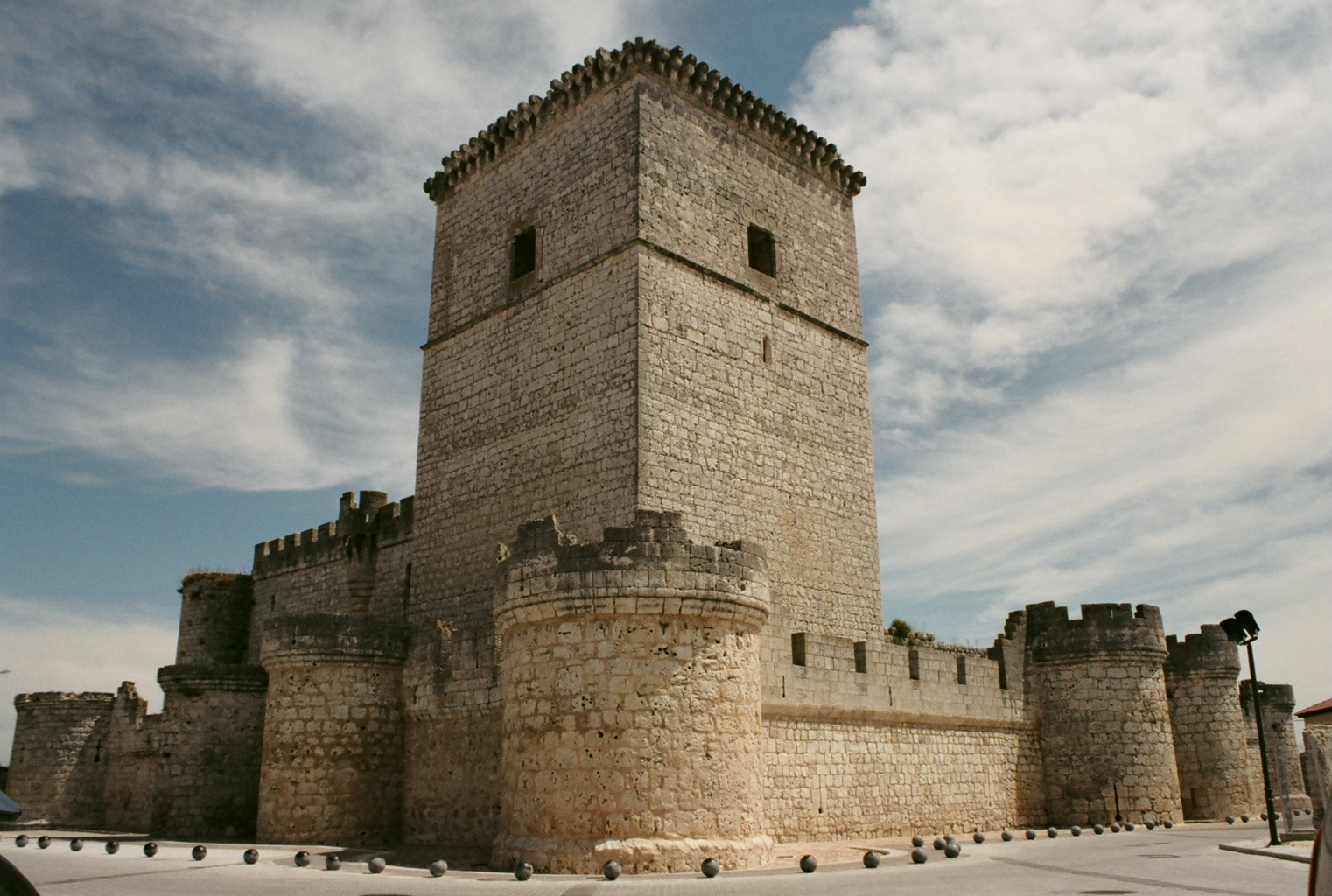
Even without a room booked, it's worth stopping to view the building from the outside — its massive walls and tower are visible from the roads running along the Duero. The estate's vineyards surround the property, giving the site the calm, characteristic landscape typical of Ribera del Duero.
When is the best time to visit?
Ribera del Duero is best visited in spring and autumn, when temperatures are milder than the hot summer months, and autumn brings the added draw of the grape harvest — a chance to see the surrounding vineyards in full activity. Winter can bring fog and cold that limit visibility across the landscape, but the building itself can be viewed year-round.
Frequently asked questions
Can the monastery be visited without a hotel booking? The interiors are mainly reserved for hotel guests, but the exterior of the building and its surrounding grounds can be seen while walking along the road leading into Sardón de Duero.
How far is it from Valladolid? About 30 kilometers, roughly a 30–40 minute drive.
What sets this monastery apart from other heritage sites in the region? Its continuity of use stands out — from the 12th century to today, the building has served as a place of residence and hospitality, first as a religious community, now as a hotel, which is unusual among Spanish monasteries.
Are there other attractions worth visiting nearby? Yes — Sardón de Duero sits right in the center of Ribera del Duero, so numerous vineyards and wineries open for tastings can be found within a short drive.
Nearby places

Earn badges for the places you visit
Download NextOnTrip, discover new places and check off your trails.