About this place
Molí d'en Mornau is a historic paper mill standing on the right bank of the Ripoll River in Sabadell, regarded as the largest 18th-century paper mill still preserved in Catalonia.
The current building dates from 1776, when the site was acquired by Anna M. Ferrer, who had it rebuilt specifically for smoking and drying paper. The location itself, however, has a much older story: records trace the mill back to 1554, when Barcelona merchant Alonso Cabeza de Ribera leased it to papermaker Joan Mitena. Around that time the site also operated as a cloth mill, and later hosted a forge producing nails and brass fittings. This layered use — papermaking, textile work, and metalworking on the same plot — reflects how intensively the Ripoll's water power was harnessed in the pre-industrial era.
Architecturally, the mill is a four-story building with cellars, topped by a two-slope roof with a long central ridge. Since 2009 it has held the status of a National Cultural Heritage Site (BCIN), underlining its importance to Catalonia's industrial heritage. Unfortunately, its physical condition has deteriorated badly over the years: the structure stands abandoned and heavily damaged, and Sabadell's local authorities have repeatedly called on the owners to take action to save it.
How to get there?
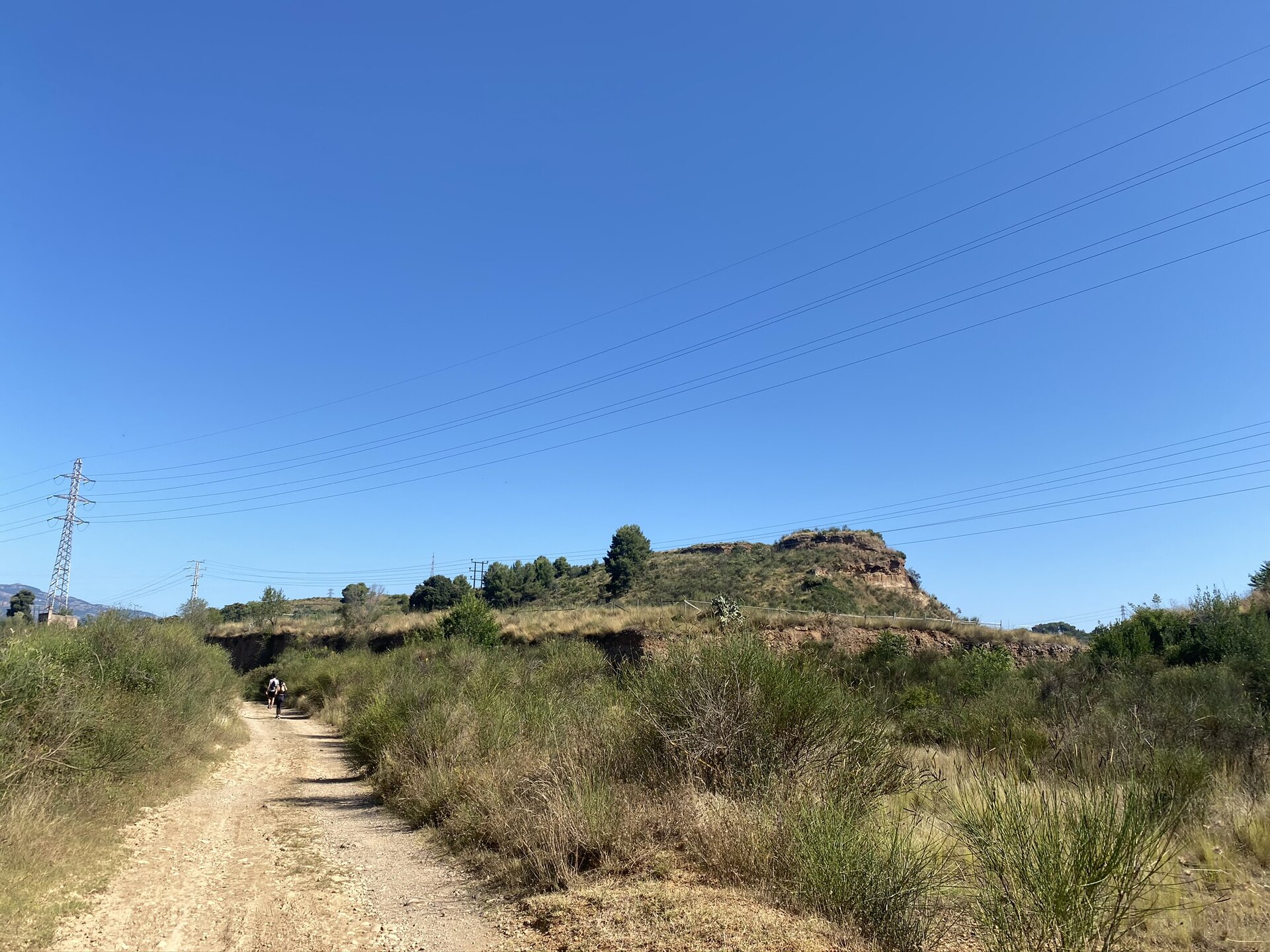
The mill sits within the Ripoll Fluvial Park, close to the bridge on the road to Prats. It's a popular short walking or cycling destination for Sabadell residents, reached easily via riverside paths leading out from the city center. Nearby is also the Font del Molí d'en Mornau, a small spring that marks another waypoint on the trails around Sabadell's rodal (rural surroundings).
What will you see?
Despite its advanced state of decay, the building still retains its distinctive 18th-century industrial silhouette — massive multi-story walls, traces of the original interior layout, and its close relationship to the riverbed that once powered its machinery. The surrounding landscape is classic Ripoll riverside scenery: greenery, a few partly demolished modern warehouses standing next to the historic structure, and a quiet setting well suited to walking. This is a site for visitors interested in industrial archaeology and regional economic history rather than a polished, fully restored attraction.
When to visit?
Since the experience centers on a riverside walk and viewing the monument from the outside, spring or autumn are the best times, when temperatures are mild and the path along the Ripoll looks its greenest. Summer afternoons in Sabadell can get quite hot, so mornings or early evenings are a better bet during that season.
Frequently asked questions
Can you go inside the mill? No — the building is in very poor structural condition and remains abandoned, so visits are limited to viewing it from outside while walking through the Ripoll Fluvial Park.
Why is this site historically significant? It's the best-preserved example in Catalonia of an 18th-century paper mill, with documented history going back to 1554 that also includes cloth production and metalworking.
Is the mill legally protected? Yes, since 2009 it has held National Cultural Heritage Site (BCIN) status, even though its physical condition remains neglected.
What else is worth seeing nearby? Close to the mill you'll find the Font del Molí d'en Mornau spring and further stretches of the Ripoll Fluvial Park, both popular with locals for walking and cycling.
Nearby places

Earn badges for the places you visit
Download NextOnTrip, discover new places and check off your trails.