About this place
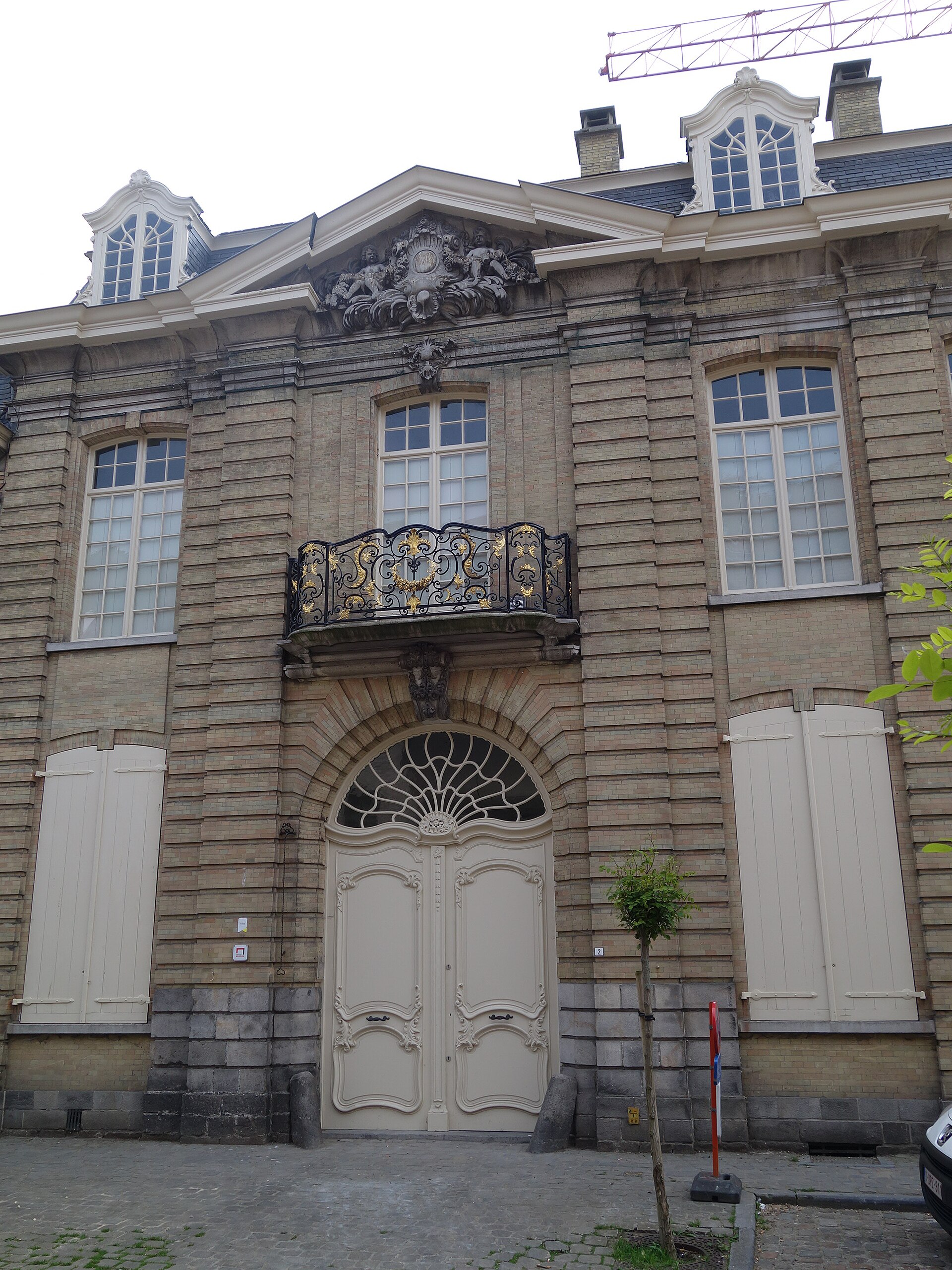
Merghelynck Museum is a historic hotel-museum in the center of Ypres (Ieper) that recreates the atmosphere of an 18th-century Flemish patrician residence. The building itself dates back to 1774, when it was constructed as a grand townhouse for a wealthy family, and it owes its present identity as a museum to Arthur Merghelynck, the great-great-grandson of the original owner.
How did the museum come to be?
Arthur Merghelynck bought back the family house in 1892, and just two years later, in 1894, he opened it to the public as a museum. Over the course of his life he assembled an art collection that he wanted the wider public to enjoy, rather than keeping it locked away in private hands.
What can visitors see inside?
The interiors are arranged as a sequence of French-style 18th-century "salons" and "boudoirs." Inside you will find finely inlaid furniture, paintings, musical instruments, silverware and everyday objects from the period. A particular highlight is the collection of Chinese and Japanese porcelain, gathered by Merghelynck with genuine collector's passion. The overall effect is closer to stepping into the home of a wealthy family two centuries ago than walking through a conventional museum gallery.
How popular was the museum in the early 20th century?
A surviving visitor register from 1911 to 1915 shows that the Merghelynck Museum drew tourists not only from Belgium but from far-flung cities as well — Saint Petersburg, Munich, Lyon, Copenhagen and New York all appear among the entries. In 1913 alone, the register recorded 1,500 visitors, an impressive figure for a private museum in a small town.
What happened to the museum during the First World War?
Ypres was one of the sites of the fiercest fighting on the Western Front, and the town itself was almost completely levelled. The Merghelynck Museum building shared that fate and was razed to the ground. Fortunately, the collection had already been evacuated to Brussels beforehand. It was moved first to the Palace of Justice, then in early 1920 to the Palace of Academies, and in 1923 it found shelter in the cellars of the Royal Museums of Art and History, where it remained until reconstruction was complete.
When was the museum rebuilt, and what does it look like today?
Reconstruction of the building began in 1931 under architect Jean-Noël Cloquet and was completed in July 1933. Thanks to this effort, Ypres regained one of its few examples of pre-war patrician architecture, rebuilt with close attention to the original character of both the facade and the interiors.
Why is the Merghelynck Museum worth a visit?
It is a place for anyone curious about how a wealthy Flemish family lived in the 18th century, and about the remarkable story of how its art collection survived wartime destruction. The museum sits right in the center of Ypres, making it easy to combine a visit with a walk around the main square and the town's other landmarks, closely tied to the history of the First World War.
Frequently asked questions
Is the museum building original from the 18th century? The facade and interiors were reconstructed after being destroyed in the First World War — the rebuilding took place between 1931 and 1933, led by architect Jean-Noël Cloquet.
What does the museum's collection include? French-style furniture, paintings, silverware, musical instruments and a collection of Chinese and Japanese porcelain gathered by Arthur Merghelynck.
Did the original collection survive the war? Yes — the collection was evacuated to Brussels before the building was destroyed and was kept in locations including the Palace of Justice and the Royal Museums of Art and History until it could return to the rebuilt museum.
Nearby places

Earn badges for the places you visit
Download NextOnTrip, discover new places and check off your trails.