About this place
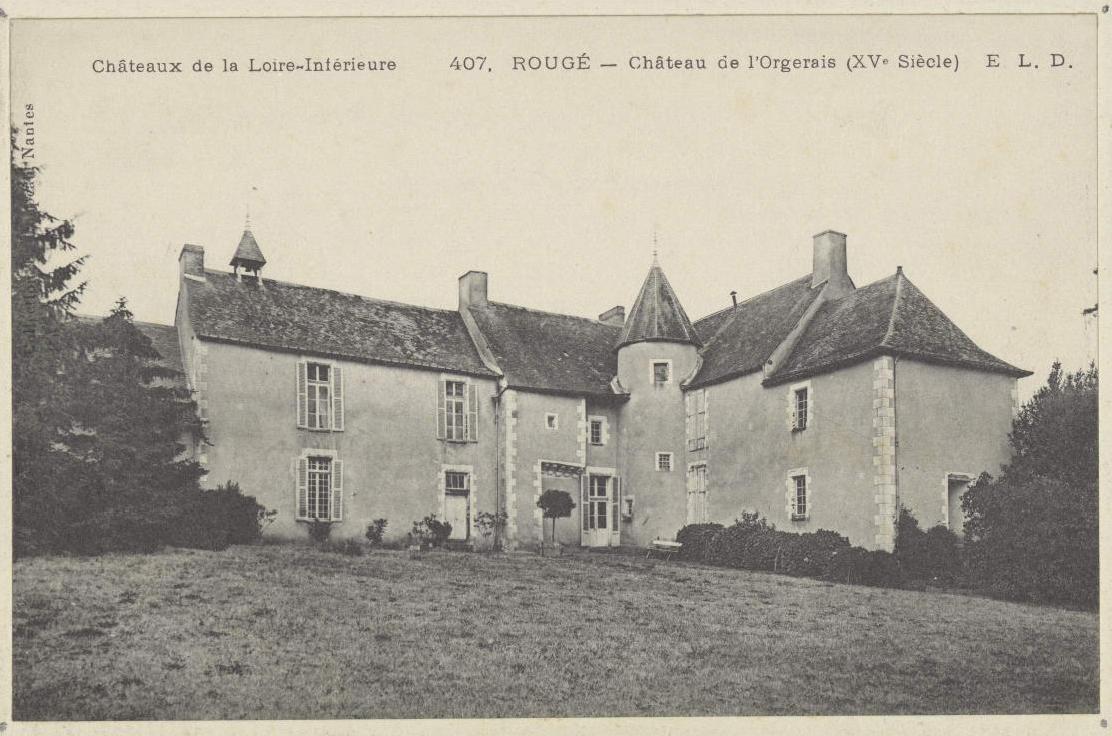
Manoir de l'Orgeraie stands on the church square of Rougé, a small town in the Loire-Atlantique department. Dating from the 16th century, this manor house is a modest but well-preserved example of Renaissance manorial architecture from the Pays de la Loire region, where such buildings combined the role of a residence with that of an economic hub for the surrounding farmland.
What is the history behind the manor?
The Manoir de l'Orgeraie was built in an era when minor nobility and wealthy local families across this part of France raised exactly this kind of stone residence — dignified yet practical, often carrying a defensive touch in the form of a corner turret. Among the families once associated with the property is the Du Boispan family, placing the building within the familiar pattern of landed gentry history so common to Brittany and the neighboring Loire region. Recognizing its architectural value, the facades and roofs of the manor were listed as a historic monument (monument historique) by decree on 10 September 1986.
What does the architecture look like?
The building follows an L-shaped plan and is marked by a distinctive corner turret, giving it the picturesque silhouette typical of manors from this period. The property also includes a private chapel, a feature commonly attached to noble residences and a sign of the standing of the family that once lived there. The manor sits on a rise of ground, a position that once reinforced its role as both a lookout point and a visible marker of authority over the surrounding countryside.
How do you get to Manoir de l'Orgeraie?
The manor sits right on the church square in the center of Rougé (44660), making it an easy stop while walking through the town. Rougé lies in the northern part of Loire-Atlantique, close to the Brittany border, in a quiet farming area where the manor remains one of the few surviving witnesses to the region's noble architectural past. As a protected historic building, the site is best appreciated from the outside — the stonework of the facades and the corner turret are what draw most visitors' attention.
What will you see on site?
Walking around the manor, visitors can take in the stone facade, the proportions of its L-shaped layout, and the detail of the corner turret, all characteristic of Renaissance manorial architecture in the region. The chapel attached to the property is a reminder of the rhythm of daily life at such a residence, where religious practice and rural estate life were closely intertwined. For anyone interested in local history or rural French architecture, a stop at Manoir de l'Orgeraie makes a fitting addition to a visit to Rougé itself.
When is the best time to visit?
Spring and summer are the most rewarding seasons, when longer days and mild weather make it pleasant to walk around the property and view the facades in good light. Outside the tourist season, Rougé remains a quiet town, which some travelers may actually prefer — fewer visitors and a calmer setting for taking in the building.
Frequently asked questions
When was Manoir de l'Orgeraie built? The manor dates from the 16th century and reflects the Renaissance manorial architecture typical of the region.
Is the manor a protected historic monument? Yes — its facades and roofs were listed as a historic monument by decree on 10 September 1986.
Where exactly is the manor located? On the church square (Place de l'Eglise) in Rougé (44660), in the Loire-Atlantique department, standing on a rise at the center of town.
Can visitors go inside? Available information points mainly to the value of the exterior architecture — the facades, the corner turret, and the L-shaped layout — so a visit is best treated as a walk around the outside, checking locally for any current access arrangements.
Nearby places

Earn badges for the places you visit
Download NextOnTrip, discover new places and check off your trails.