About this place
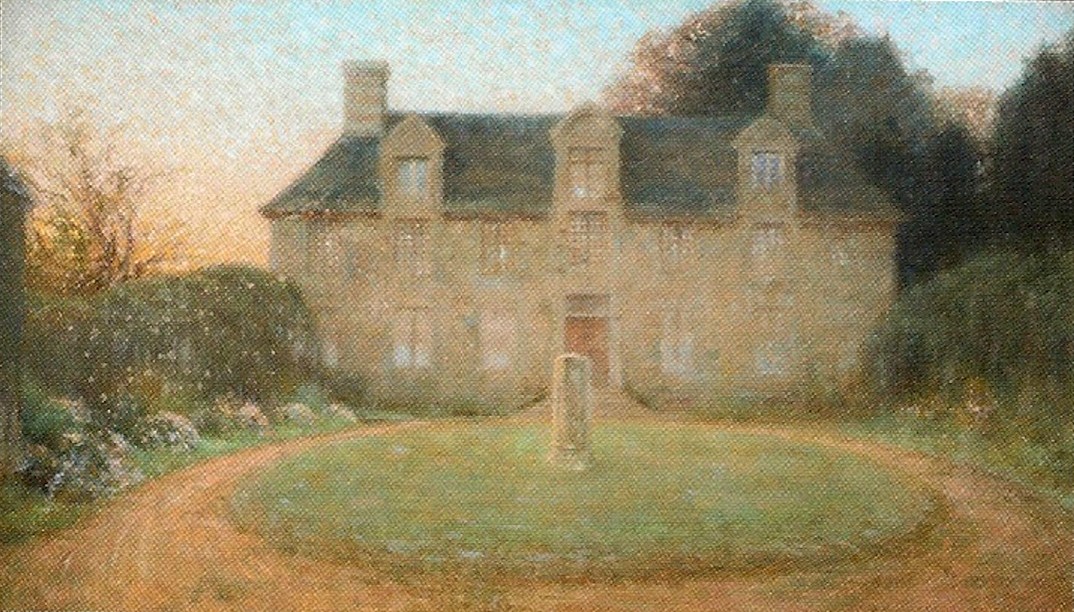
The Manoir de la Chaslerie, standing near Domfront en Poiraie in the Orne department of Normandy, is a fortified manor house best known today for something unusual: a restoration project that has been running in plain sight for more than three decades under its private owners.
How old is the estate, really?
Records trace a settlement on this site back to around 1015, when Guillaume I de Bellême founded an estate here under the authority of the Abbey of Lonlay. Nothing from that period survives above ground, but the moats and arrow slits still visible on the grounds hint at the older fortified structure that once stood where the current buildings now sit. What visitors see today was largely built between the 16th and 18th centuries. The main dwelling dates to 1598, commissioned by a member of the Ledin family, who at the time managed the local interests of the powerful minister Sully. Its defensive character is unmistakable, right down to a firing wall pierced with arquebus slits added during the regency of Marie de' Medici — a striking detail for a manor of this modest scale.
What makes up the manor complex?
The buildings are arranged around a closed courtyard: the main house with its towers, stables, and a dovecote. Beyond the courtyard sit a chapel, farm buildings, a cellar, a cart shed doubling as a cider press, and a bread oven, all set within the hedgerowed meadows and copses typical of the Domfrontais countryside. The site is officially protected as a monument historique.
Who has owned it, and what happened to it after the Revolution?
The Ledin family held the manor until the French Revolution, when it was confiscated and sold as national property in 1789. It later passed to the Levêque family, before being bought in 1991 by its current owners, who have since undertaken a methodical, room-by-room restoration of the dwelling, its towers, the chapel, and the outbuildings — a project extensive enough that it has become part of the manor's identity and is closely documented by those running it.
When and how can you actually visit?
The grounds are open for free, self-guided visits year-round, which is enough on its own to appreciate the courtyard architecture and the surrounding landscape. Getting inside the buildings is a different matter: interior tours are reserved for groups of at least 20 people, require advance booking, and come with an entry fee, running in two daily windows — 9:00 to 11:30 and 15:00 to 17:30. Between May and October, the manor also hosts classical concerts in the spirit of a schubertiade, small-scale evenings built around chamber music rather than large-venue performance.
Why does this particular manor stand out?
Few sites let you watch centuries-old fortified architecture being brought back to life piece by piece under the direct hand of its owners. Combine that with genuine 16th-century defensive details, a quiet bocage setting, and proximity to the medieval hilltop town of Domfront, and the Chaslerie becomes a rewarding stop for anyone drawn to architectural history or the craft of historic restoration rather than a polished, finished monument.
Frequently Asked Questions
Is entry to the Manoir de la Chaslerie free? The exterior grounds and courtyard can be visited for free at any time of year. Going inside the buildings, however, requires a paid, pre-booked tour.
Can I join an interior tour as an individual visitor? Not directly — interior visits are organized for groups of a minimum of 20 people, arranged in advance rather than on a walk-in basis.
What is the best time of year to visit? The exterior is accessible year-round, but visiting between May and October adds the option of attending one of the manor's classical concerts, held in an intimate, schubertiade-style format.
Is the restoration of the manor finished? No. The current owners have been restoring the buildings continuously since 1991, and the ongoing work is itself part of what makes a visit here distinctive.
Nearby places

Earn badges for the places you visit
Download NextOnTrip, discover new places and check off your trails.