About this place
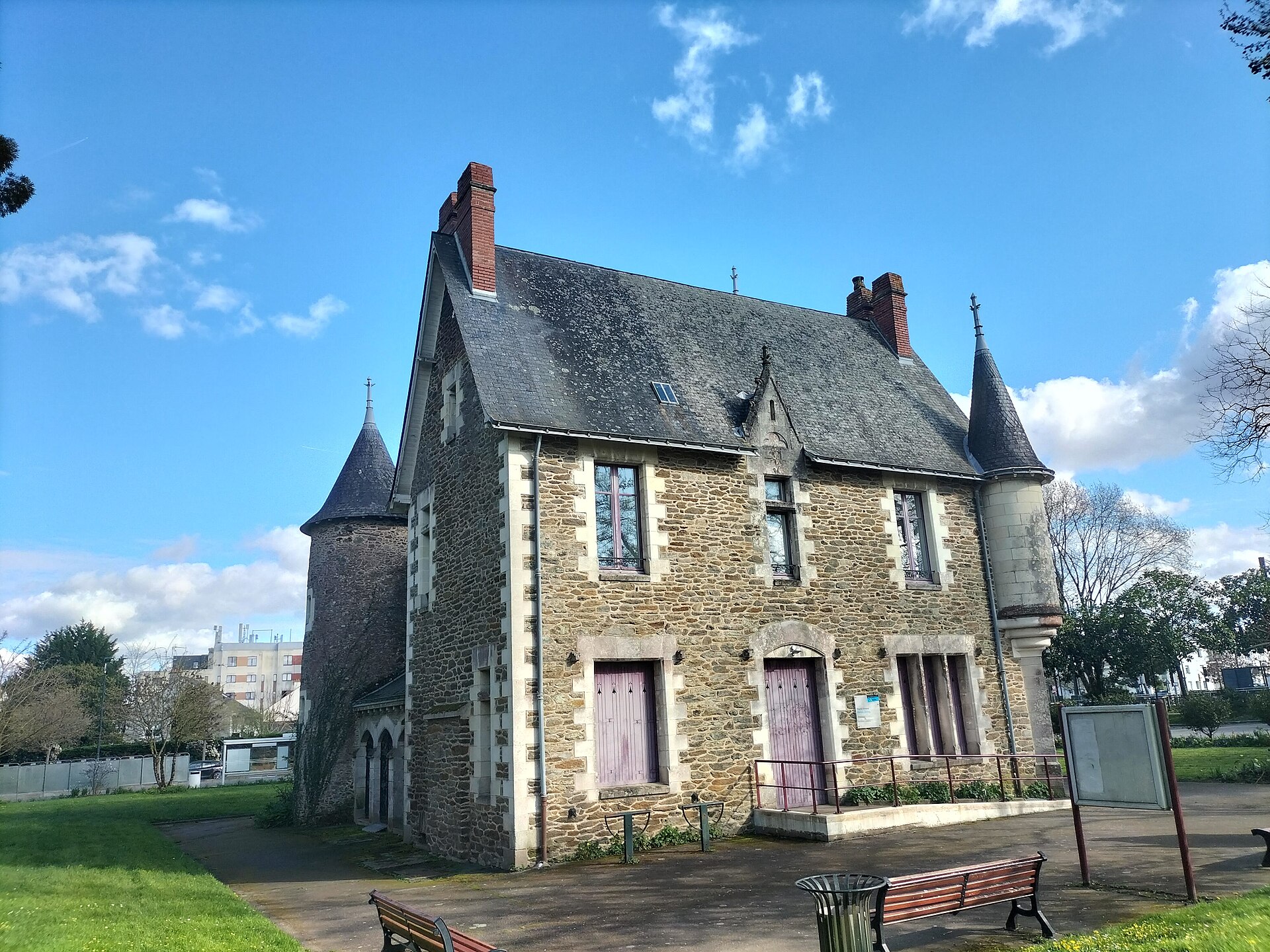
Mairie de Sucé-sur-Erdre is the town hall of Sucé-sur-Erdre, a small commune in the Loire-Atlantique department, set along the River Erdre only a short distance northeast of Nantes. Its present-day identity owes almost everything to the river, once a working trade route and now the focus of local leisure and water sports.
Where is Sucé-sur-Erdre and what makes the area distinctive?
The commune stretches along one of the most scenic sections of the Erdre valley, widely regarded as a highlight of the Pays de la Loire landscape. Its closeness to Nantes has, over the past few decades, drawn both newcomers looking for a quieter pace of life and day-trippers exploring the wider region. The river effectively splits the commune in two and shapes daily life here, with most points of interest clustered along its banks.
Where does the name come from?
The name Sucé most likely derives from Sulcius, a Latin name that may have belonged to a Gallo-Roman landowner settled in the area in antiquity. The suffix "sur-Erdre" was only added to the commune's official name in the 1970s, to highlight its riverside setting and distinguish it from similarly named places elsewhere in France. That same decade marked the start of the shift that turned Sucé-sur-Erdre into the riverside destination it is today.
What role did the Erdre play in the commune's history?
For centuries the Erdre served as the principal transport link between Sucé and Nantes, carrying goods and people long before road networks took over that role. Commercial river traffic continued into the second half of the 20th century, and its gradual decline coincided almost exactly with the rise of a new identity for the commune built around tourism. Since the late 1970s, Sucé-sur-Erdre has enjoyed a steady revival driven by its proximity to Nantes and growing demand for riverside leisure, bringing population growth and renewed investment in recreational infrastructure.
What is there to see in Sucé-sur-Erdre?
The Manoir de la Châtaigneraie stands as the emblem of local heritage: a Palladian-style manor house built in the mid-19th century, set within its own park inside the protected Erdre valley landscape. History-minded visitors can also follow a heritage trail leading to the Tour Gaillard, a 16th-century tower and one of the few surviving traces of the area's earlier defensive structures. A walk along the riverside quays is the easiest way to take in the commune's intimate scale and its lasting connection to the water.
How can visitors spend time on the river?
The commune officially holds the "commune touristique" label, and in December 2023 it also received the "ville sportive" distinction with three flames — a clear sign of how central active river life is here. The Erdre's gentle current makes it well suited to both sailing and rowing, including for less experienced paddlers and sailors. The quays and marinas serve as a natural starting point for further exploration of the area, including trips toward Nantes itself, which can also be reached by water.
Frequently Asked Questions
How far is Sucé-sur-Erdre from Nantes? The commune sits right on the doorstep of Nantes, making it a convenient base for both residents and visitors exploring the city.
Where does the name Sucé-sur-Erdre come from? It likely derives from the Gallo-Roman name Sulcius, with "sur-Erdre" officially added in the 1970s to emphasize the riverside location.
What are the main things to see in Sucé-sur-Erdre? Highlights include the 19th-century Manoir de la Châtaigneraie with its park and the 16th-century Tour Gaillard, a reminder of the area's earlier defensive past.
What water activities are available on the Erdre? The river is popular for sailing and rowing, and the commune holds official labels recognizing its tourism and sporting character.
Nearby places

Earn badges for the places you visit
Download NextOnTrip, discover new places and check off your trails.