About this place
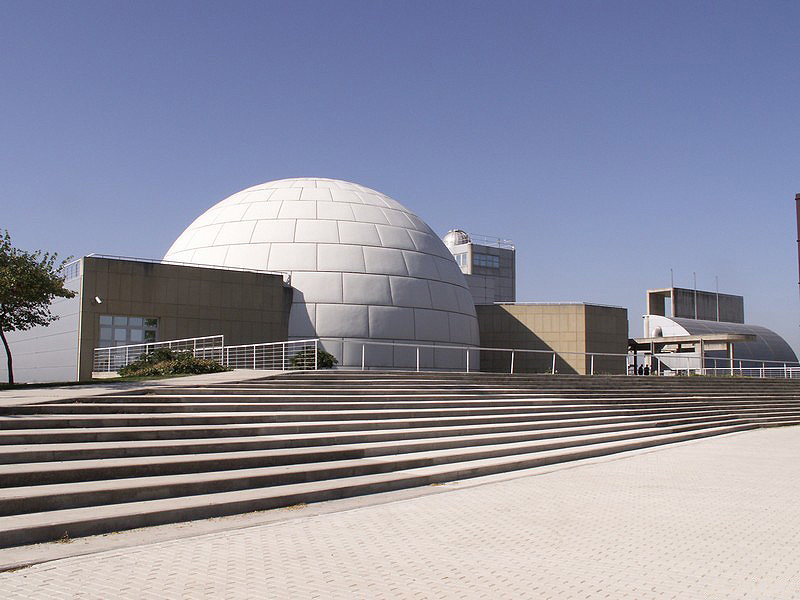
Madrid Planetarium is a science and educational facility in Madrid that opened to the public in 1986 and has since become one of the city's regular stops for anyone curious about astronomy. It sits inside Tierno Galván Park, south of the historic centre, surrounded by greenery and other cultural venues in the Arganzuela district.
How do you get there?
The planetarium is located in an easily reachable part of Madrid, within Enrique Tierno Galván Park, which is served by several public transport lines, including both metro and bus routes. The most convenient option is usually to take the metro to the nearest station covering the southern part of the city and continue on foot through the park grounds. Drivers will find parking available nearby, though central Madrid does have traffic restrictions in places, so public transport tends to be the smoother choice. The park itself is a popular place for a walk, which makes it easy to combine a planetarium visit with some time exploring the surrounding green space.
What will you see?
At the heart of the venue is a domed projection theatre, where programmes dedicated to astronomy, cosmology and space exploration are screened — from star-filled night sky shows to simulations of planetary motion and features on space missions. Between 2016 and 2017 the facility's technical equipment was upgraded, modernising how images are projected onto the dome and improving the overall experience for visitors compared with the original setup from the 1980s.
Beyond the main projection hall, the site includes exhibition spaces devoted to astronomical themes, covering subjects such as the Solar System, stars, and the wider universe. Venues like this typically blend entertainment with education, which is why the programme appeals both to travellers looking for something a little different to do in the city and to schools and families, for whom a visit is often a first hands-on, visual introduction to astronomy.
It is also worth keeping in mind that planetariums of this kind regularly refresh their show schedules, so checking the current programme before visiting is a good idea — some sessions are tied to specific astronomical events and are only available for a limited time.
When is the best time to visit?
Because the attraction is entirely indoors, it can be visited year-round regardless of weather — a solid option on a hot summer afternoon or a cold, rainy winter day. As the venue is popular with school groups, expect busier mornings on weekdays, while afternoons and weekends tend to be quieter for individual visitors. Checking session times or booking ahead helps avoid queues, particularly during the high tourist season.
Frequently asked questions
When did Madrid Planetarium open? It opened to the public in 1986 and has operated as a permanent science and education institution in the city ever since.
Is the equipment up to date? Yes — the projection equipment was modernised between 2016 and 2017, improving the image and sound quality of the dome shows.
Where exactly is it located? The planetarium is inside Tierno Galván Park in Madrid, a quiet, green part of the city that is well connected to the centre.
Who is this attraction suited for? It appeals to a broad audience — tourists looking for a different way to spend time in Madrid, as well as families with children and school groups interested in astronomy.
Nearby places

Earn badges for the places you visit
Download NextOnTrip, discover new places and check off your trails.