About this place
The Lutheran cemetery in Nebory is a modest yet historically significant burial ground for the local Evangelical community, situated on the edge of the Nebory district in Třinec, close to the border with the municipality of Ropice. For more than 160 years it has served as a place of rest and remembrance for Silesian Lutherans in the area.
When was the cemetery founded?
The cemetery was established around 1859 at the initiative of the local Evangelical congregation. At the time, Cieszyn Silesia was one of the most important centers of Protestantism in Central Europe, and Augsburg Confession communities frequently maintained their own burial grounds separate from Catholic cemeteries. Nebory, despite being a small settlement, had a sufficiently large Evangelical population to justify establishing its own dedicated cemetery as part of organizing local religious life.
The cemetery covers an area of 5,294 square meters, not including the plot occupied by the bell tower. In 1975 the grounds were extended toward the southwest, showing that the site remained in continuous use throughout the twentieth century despite the political and border changes that repeatedly affected this region.
Who owns and maintains the cemetery?
The cemetery is owned by the Silesian Evangelical Church of the Augsburg Confession (SCEAV) congregation in Nebory, while day-to-day administration and maintenance are carried out by the city of Třinec. This arrangement — church ownership combined with municipal management — is typical of many historic denominational cemeteries in the Zaolzie region, where twentieth-century administrative changes led cities to take over responsibility for maintaining grounds and cemetery infrastructure.
What can visitors see on site?
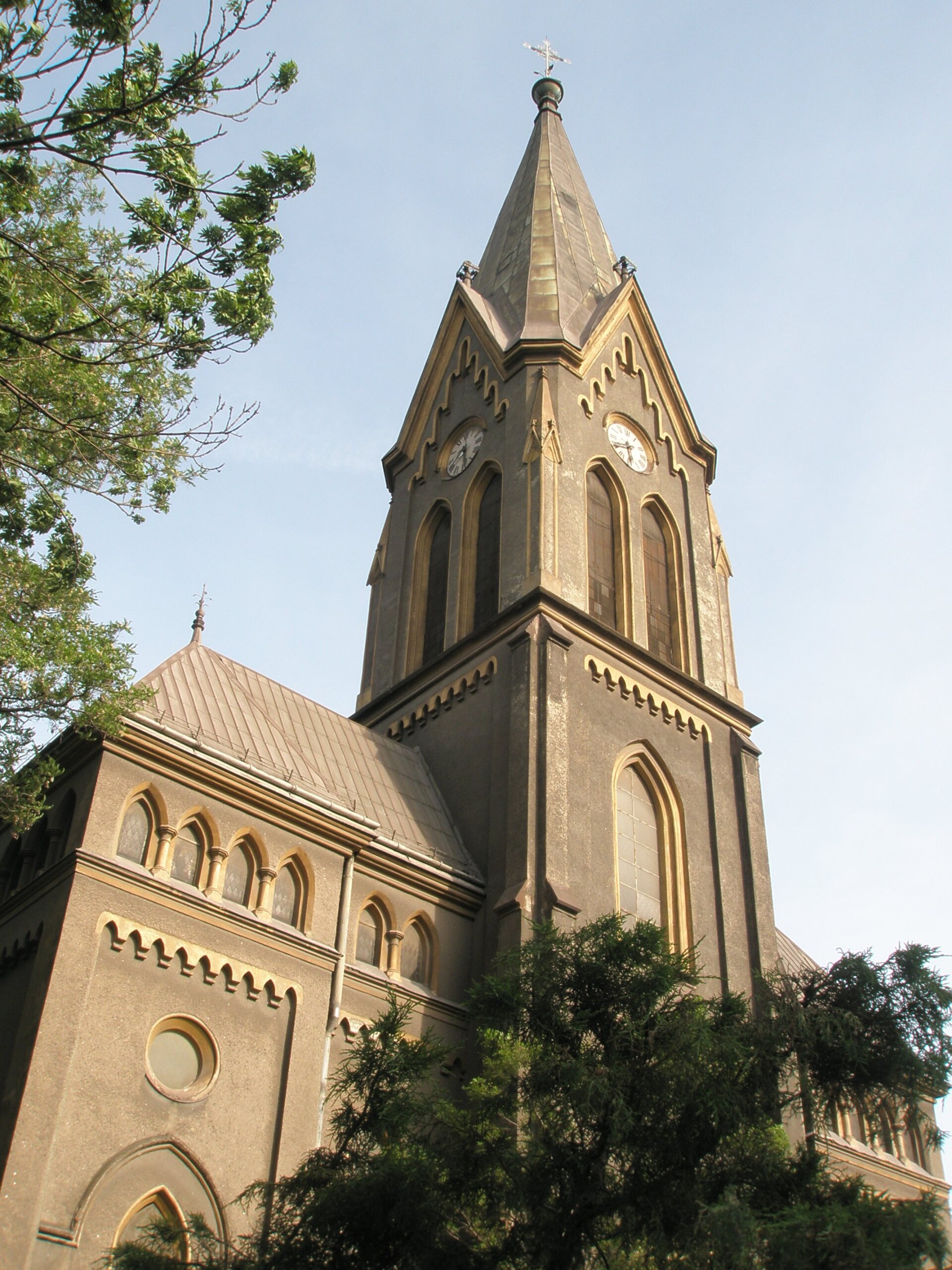
The cemetery's most distinctive architectural feature is a masonry bell tower dating from the nineteenth century. The structure underwent substantial reconstruction during the interwar period, though it retained its original, modest character typical of cemetery chapels in this region. The bell tower still serves as a landmark and symbolic focal point of the burial ground.
The grounds also contain a monument dedicated to soldiers who fell during the First World War, erected in 1934. It commemorates residents of Nebory and the surrounding area who died in the conflict — many of whom served in the Austro-Hungarian army before the region became part of Czechoslovakia after 1918. The monument underwent a professional restoration in October 2012, and it remains well preserved, continuing to serve as a site of remembrance during local commemorative events.
Who is buried at the cemetery?
Among those interred at the Nebory cemetery is Polish diplomat Karol Pawlica (1884–1970), whose grave represents one of the more notable historical elements of the site. His presence here reflects the multicultural character of Cieszyn Silesia, a region where Polish, Czech, and German communities coexisted for generations, often united by a shared Evangelical faith.
Frequently asked questions
Is the cemetery still in use? Yes, the cemetery in Nebory has been in continuous use since its founding and was still being expanded in the second half of the twentieth century, indicating ongoing use by the local community.
What denomination is associated with the cemetery? It belongs to the Silesian Evangelical Church of the Augsburg Confession (SCEAV), one of the oldest and largest Protestant communities in the present-day Zaolzie region.
Can the cemetery be visited? As an active parish cemetery, it is open to the public during standard visiting hours, similar to other denominational cemeteries in the Třinec area.
What is the most notable historical feature? The most distinctive elements are the nineteenth-century masonry bell tower and the 1934 monument commemorating soldiers who died in the First World War.
Nearby places

Earn badges for the places you visit
Download NextOnTrip, discover new places and check off your trails.