About this place
Lom u Červených Peček is a protected geological and paleontological nature monument in the northern part of the municipality of Červené Pečky, in the Kolín district of Central Bohemia, Czech Republic. This unassuming abandoned sand pit preserves the record of a marine event from ninety million years ago and ranks among the world's significant paleontological sites.
How to get there?
The site lies on the outskirts of Červené Pečky, close to the village of Bojiště, in the Central Bohemian Region not far from Kolín. It falls under the administration of the Central Bohemian Regional Authority, which oversees its protection. This is not a large or heavily developed tourist stop — it appeals mainly to visitors interested in geology, paleontology, and the natural history of the region rather than scenic sightseeing. The easiest way to reach it is by car from Kolín, a short drive to Červené Pečky.
What will you see?
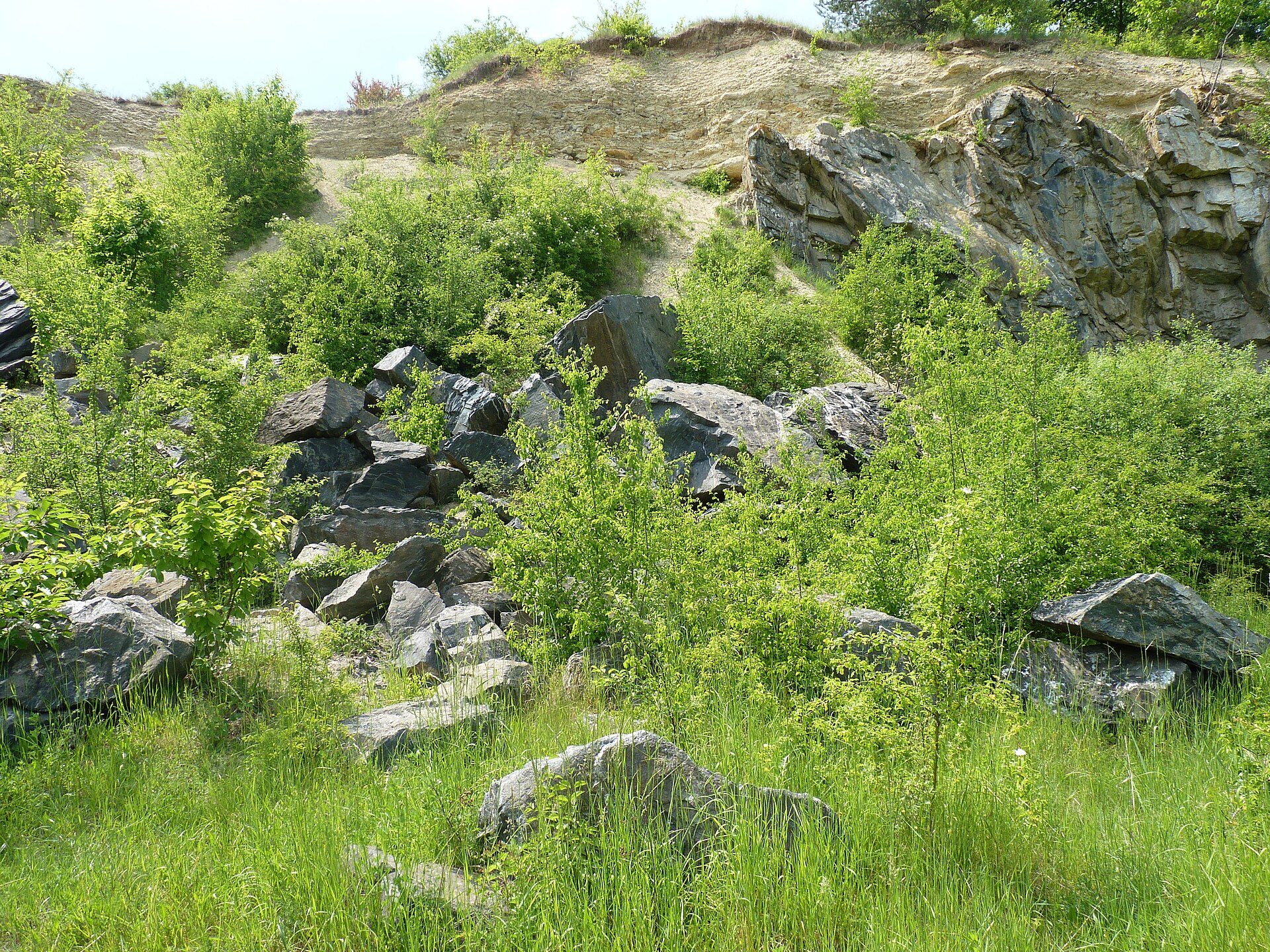
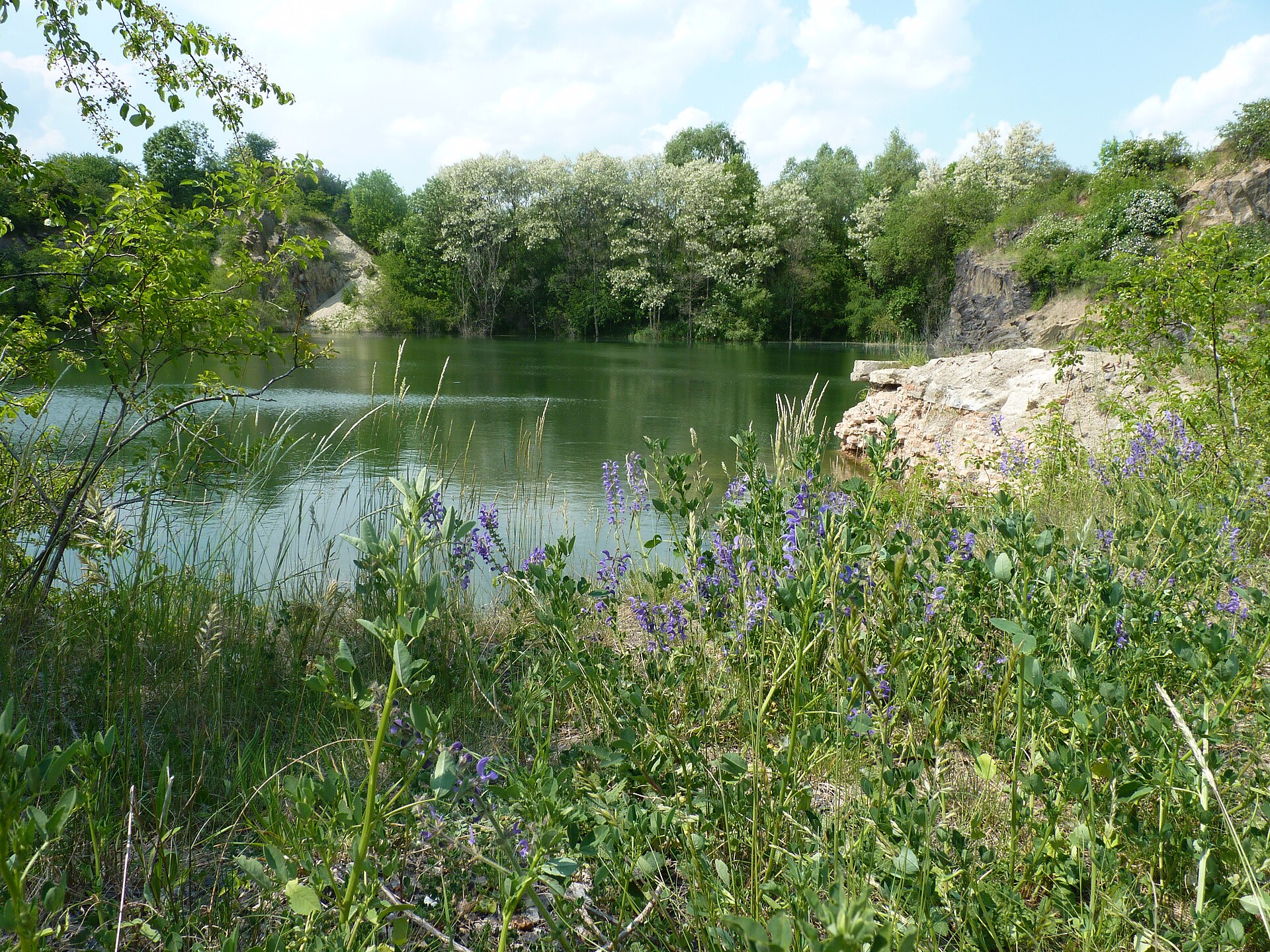
The core of the area is a disused sand pit with a level floor and walls roughly six meters high. The exposed profile reveals Upper Cretaceous sandstones and sands, capped by around three meters of Pleistocene loess. It is within these Upper Cretaceous layers that the main reason for protection lies: a record of a marine transgression — the advance of the Cretaceous sea over land — that took place ninety million years ago.
The sandstone and sand layers contain abundant fossil shells of the oyster species Rhynchostreon suborbiculatum. These shells accumulated as a result of a powerful marine storm that stirred the seafloor of the time and concentrated the remains of organisms in one location. This concentration of fossils gives the site exceptional scientific value, allowing researchers to reconstruct not only the composition of the fauna of that era but also the dynamic processes at work on the floor of the Cretaceous sea.
For a non-specialist visitor, the most striking feature may simply be the exposed quarry wall itself, where the naked eye can trace a clear boundary between the older Upper Cretaceous rock and the much younger Pleistocene loess, deposited by wind tens of thousands of years later. It is a rare opportunity to see, in a single place, the record of two entirely different geological epochs and environments — one marine, one terrestrial and periglacial.
Protection and significance
The area has been protected as a nature monument since 1977. Its importance extends well beyond the local scale: given the quality and quantity of preserved paleontological material, Lom u Červených Peček is counted among the world's important paleontological localities documenting life in the Upper Cretaceous seas of Central Europe.
When to visit?
The geological exposure can be observed year-round, though the drier spring and summer months offer the best visibility of the quarry walls, before vegetation encroaches on the pit's edges. As a protected area, collecting fossils or otherwise disturbing the geological profile is prohibited — visits should be limited to observation only.
Frequently asked questions
What is Lom u Červených Peček? It is a nature monument formed by a disused sand pit, protected for its exceptional paleontological record of an Upper Cretaceous marine transgression from 90 million years ago.
What fossils can be found here? The geological profile contains abundant shells of the oyster Rhynchostreon suborbiculatum, accumulated during a powerful Cretaceous-era marine storm.
Since when has the site been protected? It has held nature monument status since 1977.
Can visitors collect fossils on site? No — as a protected area, the site does not permit fossil collecting or any disturbance of the geological exposure.
Nearby places

Earn badges for the places you visit
Download NextOnTrip, discover new places and check off your trails.