About this place
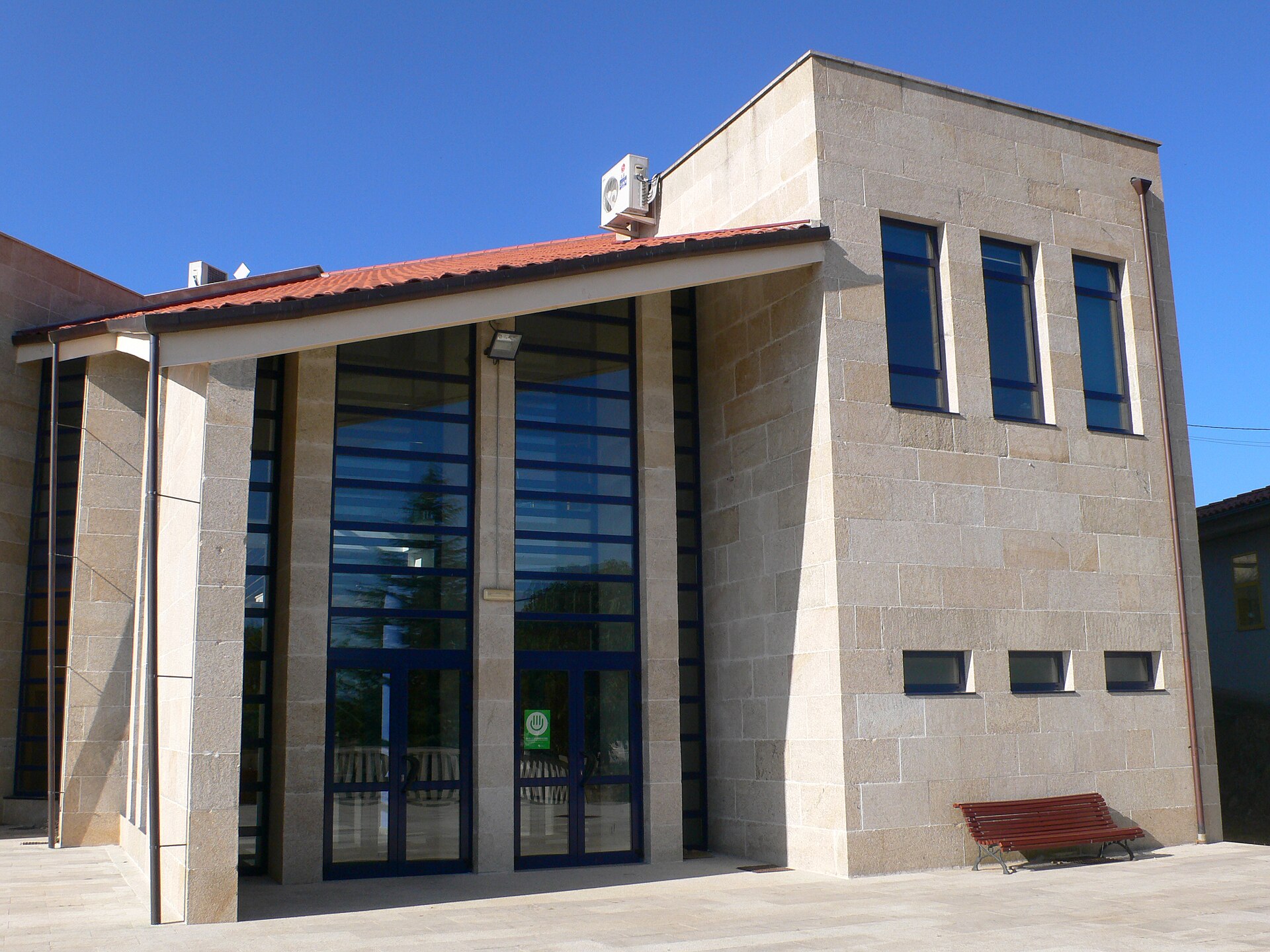
Laza is a small municipality in the province of Ourense, in the mountainous interior of southern Galicia, Spain, part of the Verín comarca near the Portuguese border. The town hall sits at the heart of the settlement, but Laza is known well beyond local administration — it hosts one of Spain's oldest and least altered carnival traditions.
Where is Laza located?
Tucked away from Galicia's main coastal routes, Laza sits in the Terra de Trives area, a landscape of steep hillsides, stone villages and narrow river valleys. Its relative isolation is often credited with helping local customs survive largely untouched by outside influence. The municipality sits at roughly 42.06°N, -7.46°W.
What is Laza famous for?
Ask anyone from the region and the answer comes quickly: the Entroido, Laza's carnival. Unlike the parade-driven carnivals found elsewhere in Europe, this is a ritual with roots that predate written record. One theory links it to Celtic and druidic practices; another traces it to the Roman occupation, pointing to the costume worn by the carnival's central figure, which echoes elements of a legionary's dress.
Who are the Peliqueiros?
The Peliqueiros are the carnival's defining characters — masked men in costumes that can weigh up to 15 kilograms. The outfit combines a jacket, white shirt, braces, a sash, a headscarf, lace trousers, white stockings, black shoes and a wide belt hung with large bronze bells known as chocos. Their sound announces a Peliqueiro's arrival well before he's in sight.
Historians disagree on the character's exact origin. Some connect the Peliqueiro to a medieval tax collector, others to a kind of festival enforcer tasked with keeping order during the celebrations. Whatever the source, the Peliqueiros set the pace of the event, moving through Laza's streets and keeping the atmosphere loud and constant for days.
Why does Laza's carnival stand apart?
While many carnival traditions across Spain have shifted toward staged spectacle, Laza's Entroido has kept much of its original character. The celebrations run over several days and include unusual, sometimes startling rituals — participants can be pelted with anything from flour to live ants, one of the carnival's most talked-about traditions.
Frequently asked questions
When does the carnival in Laza take place? It follows the moveable carnival calendar, usually falling in late February or early March, ahead of Lent.
How do you get to Laza? The municipality lies inland in Ourense province, and a car is the practical option — public transport in this part of Galicia is limited.
Is there anything to see in Laza outside carnival season? Beyond the Entroido itself, the town's architecture, including its town hall, and the surrounding Terra de Trives landscape are worth a look.
Can you see the Peliqueiro costume outside of carnival time? Yes — pieces of the traditional outfit are occasionally displayed at local cultural events tied to promoting the Entroido tradition.
Nearby places

Earn badges for the places you visit
Download NextOnTrip, discover new places and check off your trails.