About this place
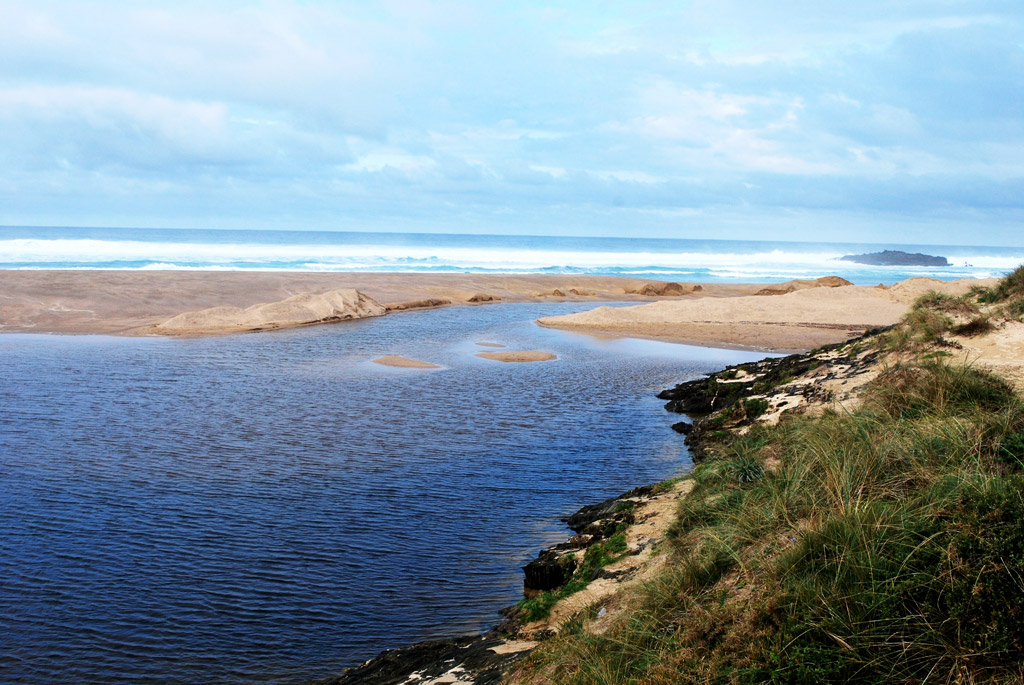
Lagoa e Areal de Valdoviño is one of the most ecologically valuable spots on the Galician coast — a combination of a large freshwater lagoon and a sandy beach, separated by a strip of dunes. The area lies within the municipality of Valdoviño, in the province of A Coruña, on the northwestern edge of Galicia.
What is this lagoon?
Known locally as Lagoa da Frouxeira, the lagoon stretches roughly 1,600 metres in length and 500 metres in width, with an average depth of about 1.5 metres. It is one of the largest freshwater bodies of its kind along the Galician coastline, separated from the Atlantic by a narrow band of sand and dune vegetation. The lagoon is fed by rainwater and streams flowing down from the surrounding hills, while its water level is also periodically regulated through an artificial channel that drains excess water into the ocean.
Why is the site protected?
Because of its exceptional importance for waterfowl, the lagoon and the adjoining dune system were placed under protection back in March 1993. Lagoa e Areal de Valdoviño is listed as a wetland of international importance under the RAMSAR Convention, and it also holds the status of a Special Protection Area for Birds (ZEPA) and a Site of Community Importance (LIC) within the European Natura 2000 network. During migration season and winter, the lagoon becomes a resting point for numerous species of aquatic birds — mallards, common sandpipers and Eurasian coots among them. The surrounding reedbeds and marshy edges also provide shelter for amphibians, reptiles and small mammals.
What is the beach like?
The Areal de Valdoviño, also known as A Frouxeira beach, runs for about 3 kilometres along the open Atlantic. It is a beach of fine, white sand, but a fairly rugged one — strong waves and frequent wind are the norm here, which makes it a popular destination for surfers and other water-sports enthusiasts, though less inviting for calm swimming at certain times of the year. The dunes separating the beach from the lagoon soften the effect of the wind and help shield the lagoon ecosystem from the direct impact of the sea.
What should visitors know before coming?
The area is well suited to walking and birdwatching — paths run alongside the lagoon, allowing visitors to observe waterfowl without disturbing them, particularly during the winter months when the number of migratory species peaks. For anyone interested in nature, this is one of the most rewarding stops on the A Coruña coastline, combining a wild, largely untouched landscape with easy access from nearby towns.
Frequently asked questions
Can you swim in the lagoon? The lagoon is primarily a protected natural area rather than a typical swimming spot — swimming takes place on the adjoining ocean beach instead.
When is the best time for birdwatching? The winter months, when the lagoon hosts the highest numbers of migratory and wintering waterfowl.
Is the beach suitable for beginner surfers? The strong waves and wind can make conditions demanding, so it's worth checking local conditions before heading into the water.
Nearby places

Earn badges for the places you visit
Download NextOnTrip, discover new places and check off your trails.