About this place
La Flamenca is a historic estate within the municipality of Aranjuez, roughly 40 minutes' drive south of Madrid. It is an unusual stop for travelers exploring the region: an 18th-century agricultural property that later became an agronomy school and today operates as one of Spain's best-known driven-partridge hunting estates, giving visitors a very different angle on Aranjuez than the town's famous royal palace and gardens.
Where does the name come from?
The estate's name dates back to 1775, when King Charles III issued a royal order on September 23 of that year assigning the land for cultivation "in the Flemish style" — hence "La Flamenca." The property sits around 40 metres above the level of the Tagus (Tajo) river, historically bordered by the Salinas stream to the east, the Ocaña lands to the south, and the Cavina stream to the west.
How has the estate changed over time?
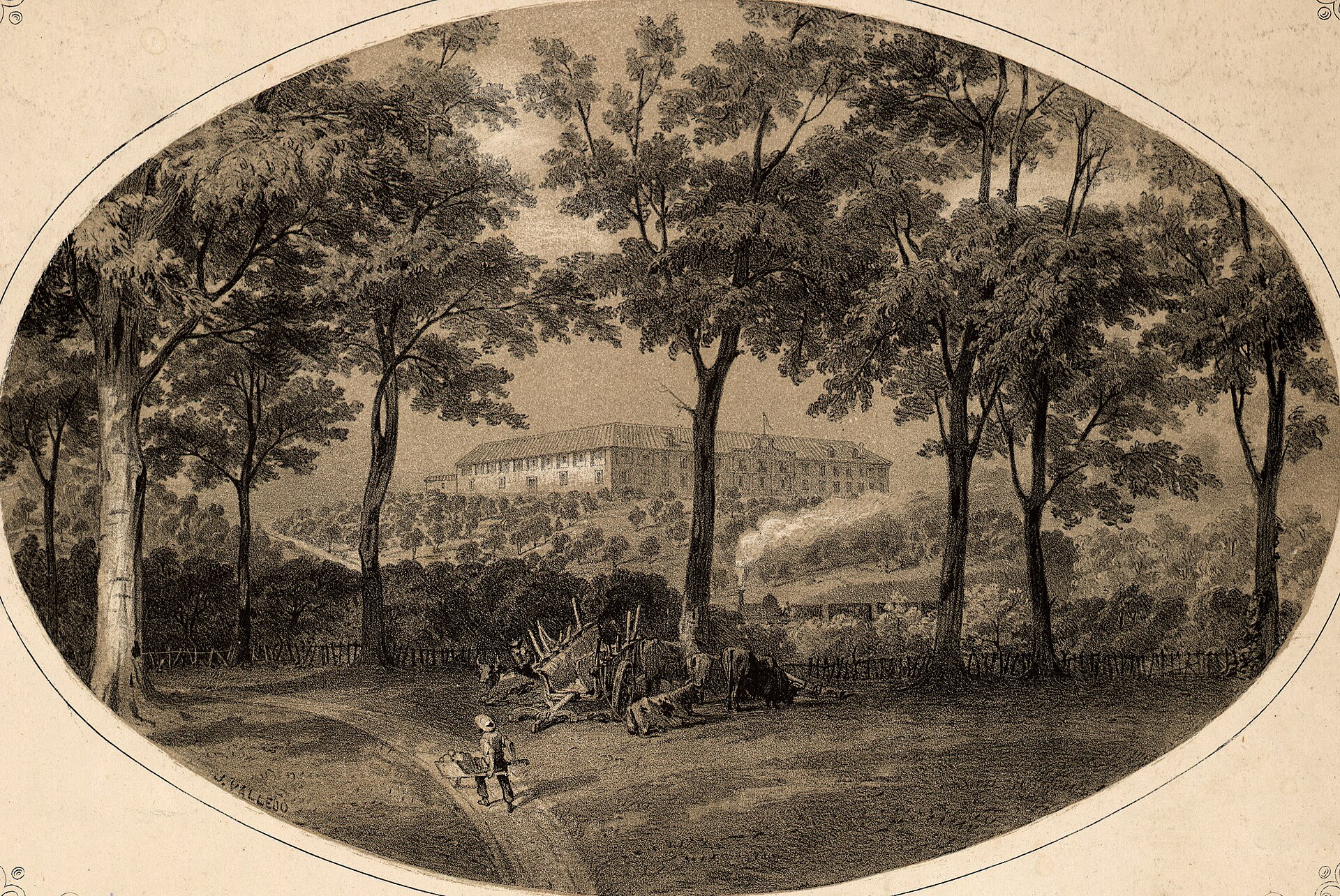
After its agricultural beginnings, the land came under the management of the second section of the Royal Stud. The real turning point came in 1856, when the Central School of Agriculture was established on the property; architect Francisco Jareño oversaw the adaptation works, and the school was formally inaugurated on September 28, 1856. Today the estate is best known for a very different pursuit: it is one of Spain's most prestigious driven-partridge shooting grounds, and it was here that King Alfonso XIII introduced driven partridge shooting to Spain. The land is currently owned by the Duke of Fernán Núñez, and its drives — including Las Nietas, Speelman Valley, and Cañada Oscura — are considered among the most demanding in the country.
How do you get to La Flamenca?
The estate lies within the Aranjuez municipality, about 40 minutes by car from central Madrid and around 35 minutes from Madrid-Barajas airport; a nearby private airfield is roughly 30 minutes away, and the property has its own private helipad for guests arriving by air. Travelers without a car can reach Aranjuez itself by train or bus from Madrid and arrange a taxi or private transfer from there — La Flamenca is a small settlement with only a handful of permanent residents and no independent tourist infrastructure on site.
What is there to see?
The main draw is the estate's landscape itself: a mix of valleys, ravines and scrubland that shapes some of the most technically demanding shooting drives in Spain. On-site accommodation is provided by Regajal Lodge, an eight-suite property built to host hunting guests. The location also puts visitors within easy reach of more conventional sightseeing — the historic center of Aranjuez, with its royal palace and gardens, and Toledo, less than an hour away.
When is the best time to visit?
Spain's partridge shooting season runs mainly through the autumn and winter months, and that is when La Flamenca sees the bulk of its hunting-related visitors. Anyone more interested in the wider Aranjuez area and its countryside can visit year-round, though it is worth avoiding the peak of summer, when central Spain's heat is at its most intense.
Frequently Asked Questions
Is La Flamenca a village open to casual visitors? It is a small locality administratively part of Aranjuez, with only a handful of residents. The estate itself functions primarily as a private hunting ground, so open access without prior arrangement is limited.
Where does the estate's name come from? From a 1775 royal order by King Charles III instructing that the land be cultivated "in the Flemish style."
What is La Flamenca's connection to partridge hunting? King Alfonso XIII introduced driven partridge shooting to Spain here, and the estate is still regarded as one of the country's top grounds for this type of hunting.
What's the fastest way to get there from Madrid? By car it takes about 40 minutes, and around 35 minutes from Barajas airport. Alternatively, take a train or bus to Aranjuez and continue by taxi or private transfer.
Nearby places

Earn badges for the places you visit
Download NextOnTrip, discover new places and check off your trails.