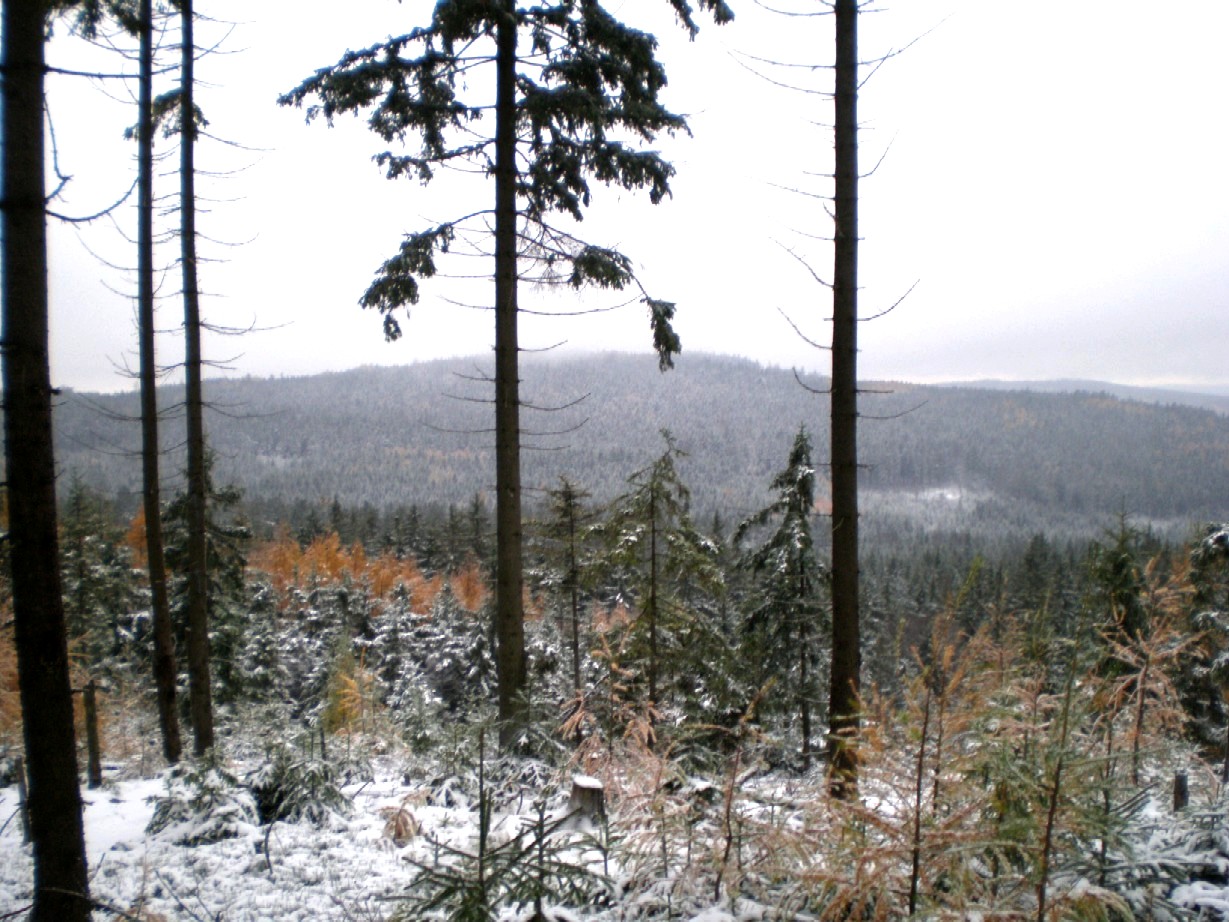
About this place
Kočka is a hill rising to roughly 790 metres above sea level in the heart of the Brdy range, straddling the cadastral boundary between Strašice and Věšín. From a distance it looks like just another forested summit in this quiet corner of the Czech Republic — but hidden in its slopes are fossils half a billion years old, discoveries significant enough that the hill was declared a protected nature monument in 2026.
What makes Kočka scientifically important?
The slopes of Kočka are made up of the so-called Paseky shales, thin-layered sedimentary rock dating to the Lower Cambrian period. It was here that Czech geologist V. Havlíček uncovered, back in the 1960s, the oldest known macrofossil of an arthropod in Czech territory — a species he described and named Kodymirus vagans. The fossil is roughly 530 million years old and is regarded as evidence of one of the earliest, most unusual marine environments on record, a find considered unique on a global scale. It's precisely this scientific value that led the Nature Conservation Agency of the Czech Republic to place the site under legal protection. Collecting fossils or disturbing the ground here without a permit is prohibited, something worth keeping in mind before you set out.
How do you get to Kočka?
The most straightforward approach is on foot from Strašice, a village in the Rokycany district of the Plzeň Region that sits at the foot of the Brdy hills. An alternative route starts from Padrťský důl (the Padrť valley). Both approaches follow trails marked by the Czech Tourist Club (KČT), so navigation is easy even for less experienced hikers. The climb itself is moderate and needs no special preparation, though sturdy footwear helps — parts of the terrain are rocky underfoot.
What will you see at the summit?
At the top sits a geodetic survey point and a fire pit, a popular spot for hikers taking a break during longer walks across Brdy. Nearby are the stone foundations of a former KČT mountain shelter built in the 1930s — a quiet trace of the region's tourism history.
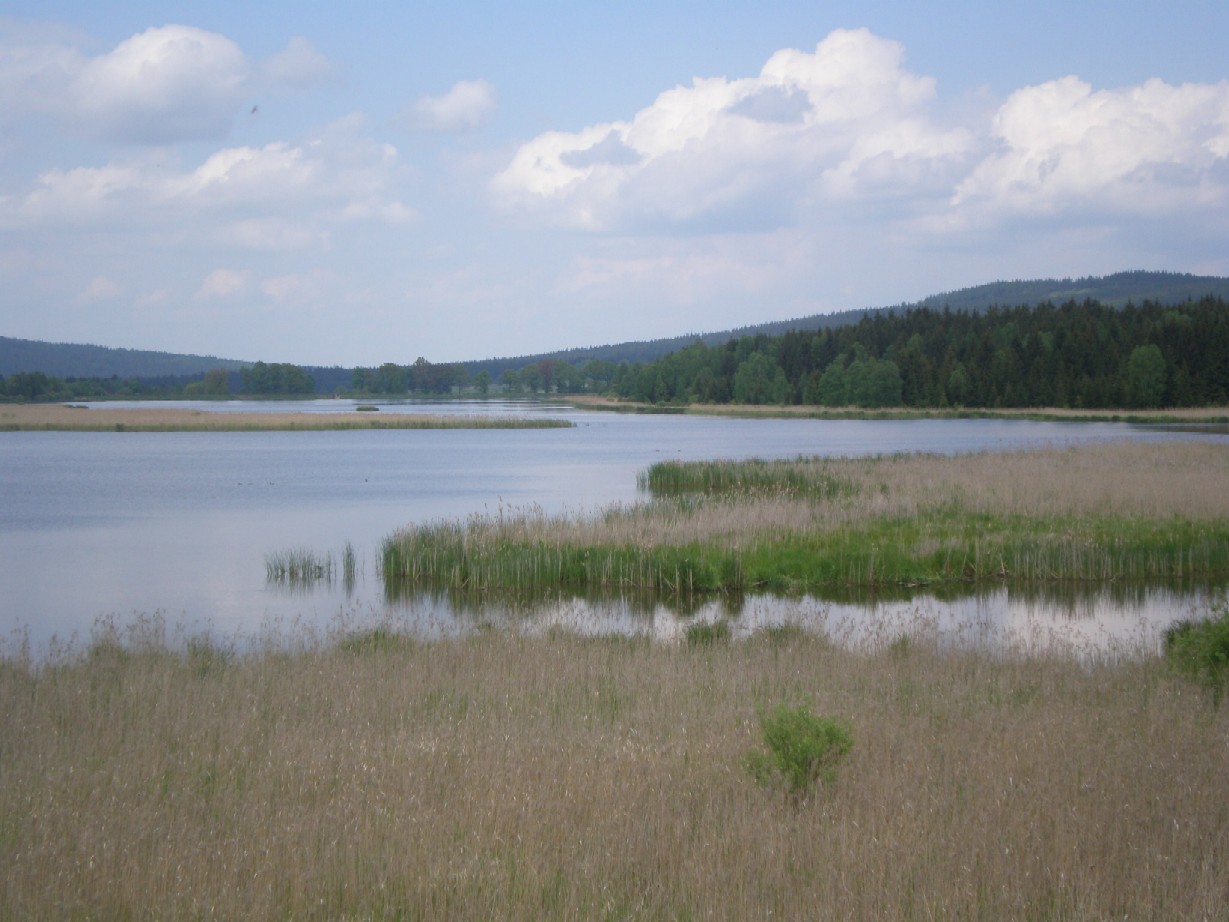
The real reward, though, is the view. The steep slopes and open clearings near the summit open up panoramas that connoisseurs of the Brdy hills rank among the finest in the entire range. From here you can look out over the Padrťské pláně (Padrť plains) with their ponds, as well as neighbouring summits Kamenná and Palcíř. It's a spot worth lingering at, especially on a clear day.
When is the best time to visit?
Kočka lies within the Brdy protected landscape area, where access can occasionally be restricted due to the region's former military use and ongoing nature conservation. The best window for a visit runs from late spring through early autumn, when trails are dry and the summit clearings offer the clearest views. Autumn adds a bonus in the colours of the forest covering the slopes.
Frequently asked questions
How high is Kočka? The summit reaches approximately 789–790 metres above sea level.
Why is Kočka known among geologists? It is an internationally significant paleontological site. Its Paseky shales preserve the oldest known Czech animal fossils, including Kodymirus vagans, an arthropod dated to roughly 530 million years ago.
Where is the best starting point for a hike? Most visitors approach on foot from Strašice, following marked KČT trails. A route from Padrťský důl is also possible.
Can you collect fossils there? No. Kočka has protected nature monument status, and collecting fossils or disturbing the ground without a permit is forbidden.
Nearby places

Earn badges for the places you visit
Download NextOnTrip, discover new places and check off your trails.