- Fortresses
Josefov – pevnost
About this place
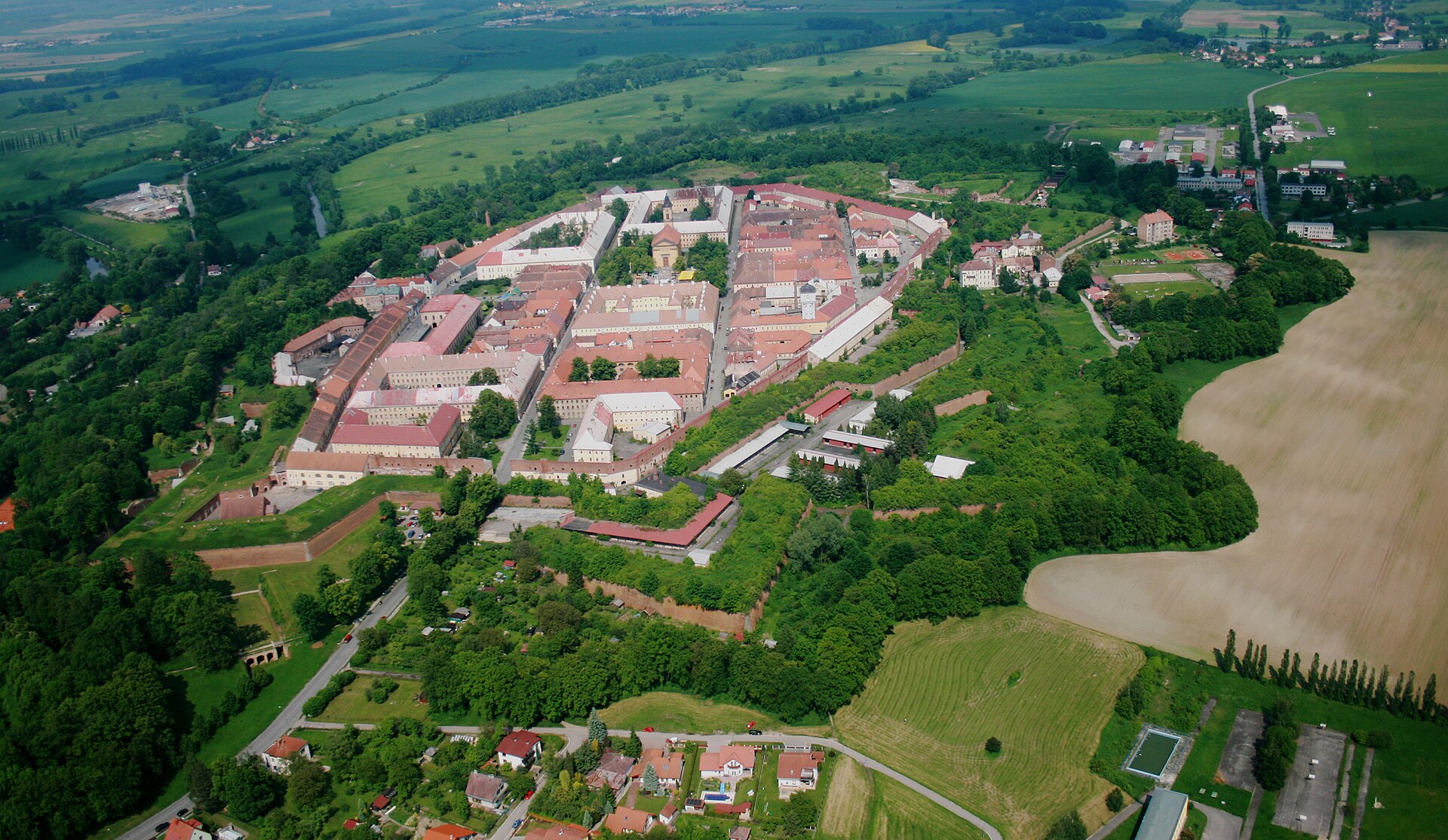
Josefov Fortress is one of Central Europe's best-preserved 18th-century fortified towns, now a district of Jaroměř in the northeastern Czech Republic. Brick bastions, a vast network of underground passages, and neat neoclassical streets form an urban heritage reserve that carries visitors straight back to the reign of Emperor Joseph II.
Who built Josefov, and when?
Construction began in 1780 on the order of Emperor Joseph II, who wanted to strengthen the Habsburg monarchy's northern border after the conflicts with Prussia. The design was entrusted to the French military engineer Claude-Benoît Duhamel de Querlonde, and building work was largely finished by 1787 — remarkably fast for a fortification of this scale. The site had previously been occupied by a village called Ples, which was largely swallowed up by the construction. The new fortress town initially kept that name too, and only in 1793, on the order of Emperor Francis II, was it renamed Josefov in honor of its founder.
What was the fortress actually for?
Josefov was conceived as a sister stronghold to Terezín, together meant to shield the Bohemian lands from Prussian expansion. In practice, its strategic role turned out to be fairly limited, since the decisive battles of the era were usually fought elsewhere. Instead, the fortress mainly served as a vast arsenal and storehouse for gunpowder and supplies, while also housing soldiers and civilians. The town itself was planned from scratch as a craft and trading community — burgher houses for merchants and artisans went up under a settlement charter issued by Joseph II.
What can visitors actually see inside the fortress?
The fortress follows a distinctive octagonal layout of bastioned brick walls enclosing an area of nearly 300 hectares. Beneath the surface, carved into the local chalk rock, lies a three-level labyrinth of tunnels stretching roughly 45 kilometers — one of the most extensive underground fortification systems anywhere in the Czech Republic. Touring the casemates and tunnels is the main draw for visitors today, alongside the bastions themselves and the surviving neoclassical townscape, still arranged along the same regular, military-planned street grid.
How did Josefov change during the 20th century?
Josefov lost its status as an independent town in 1948, when it was merged into neighboring Jaroměř. Even so, it kept its own distinct architectural character, blending late Baroque and neoclassical elements, and today functions as an urban monument reserve protecting 18th-century military construction methods and the town planning ideals of the Josephine era. That legacy is why Josefov is often described as one of the last great fortress towns ever built on Czech soil.
Frequently asked questions
Is Josefov a separate town? Not anymore — since 1948 it has been part of Jaroměř, though it retains its own distinct layout and architecture.
Why was the fortress named Josefov? In honor of Emperor Joseph II, who ordered its construction. The site was originally called Ples and was renamed in 1793.
Can you visit the underground tunnels? Yes — the roughly 45 kilometers of passages cut into the chalk bedrock are one of Josefov's biggest tourist draws.
Did the fortress ever see real combat? Its military significance stayed largely theoretical; no major battles were decided here, and it functioned mainly as a logistics and garrison base.
Who designed the fortifications? The French military engineer Claude-Benoît Duhamel de Querlonde, commissioned by Emperor Joseph II.
Earn badges for the places you visit
Download NextOnTrip, discover new places and check off your trails.