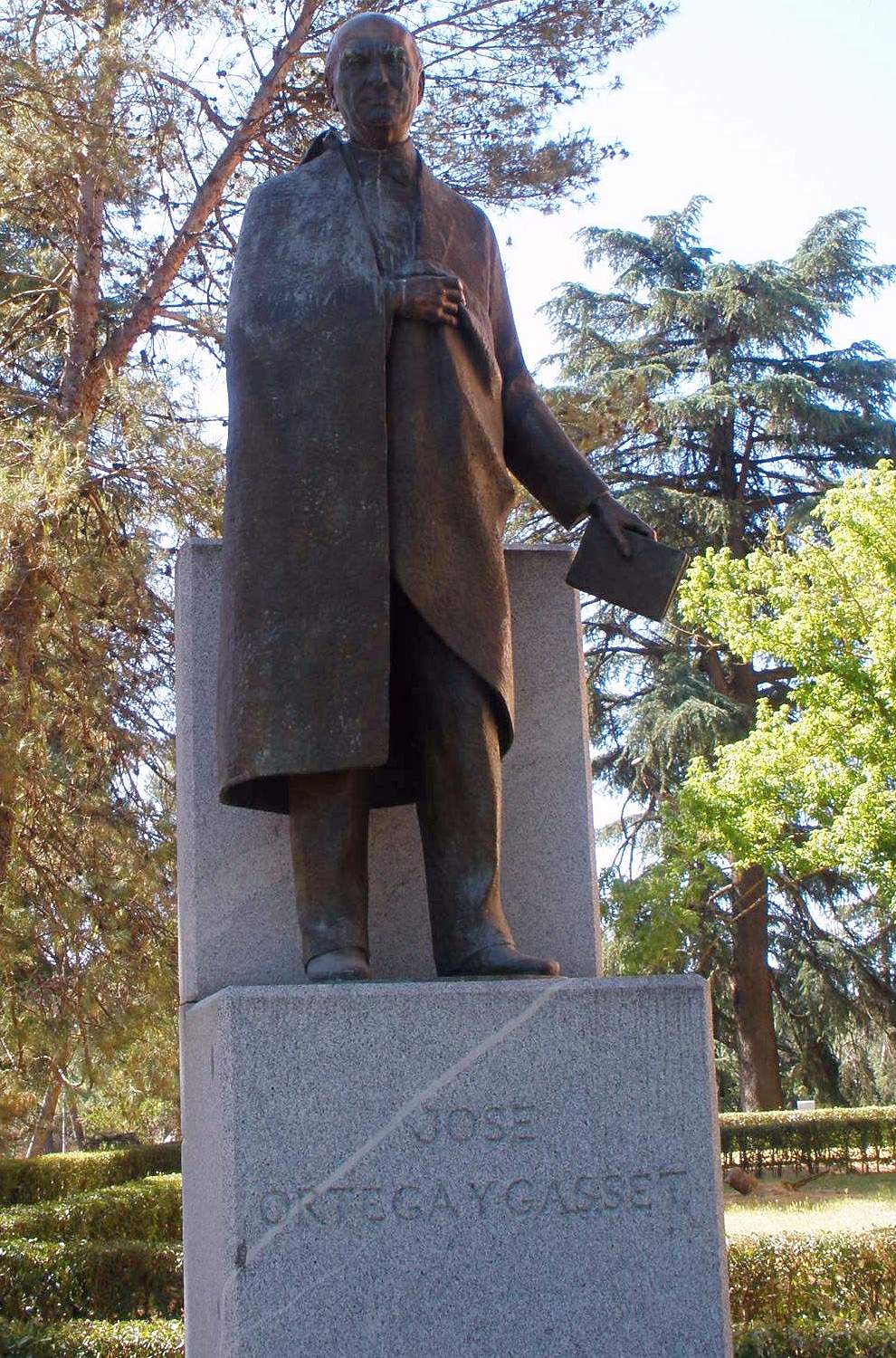
About this place
José Ortega y Gasset is a monument in Madrid honoring one of the most influential Spanish thinkers of the 20th century. It's an unassuming presence in the cityscape, but behind the name stands a figure whose ideas reached well beyond Spain and shaped European philosophy in the first half of the last century.
Who was José Ortega y Gasset?
Ortega y Gasset was a philosopher and essayist active during a turbulent stretch of Spanish history, as the country swung between monarchy, republic and dictatorship. His thought is often described as a "philosophy of life," rooted in a pragmatist metaphysics inspired by William James and developed through a realist phenomenology in the spirit of Edmund Husserl. Out of that combination came his own distinctive path — close to proto-existentialism and to a realist historicism that scholars compare to the work of Wilhelm Dilthey and Benedetto Croce. It's this intellectual legacy that earned him a place among the philosophers commemorated in the Spanish capital's public spaces.
Why a monument in Madrid?
Madrid was the natural setting for such a tribute: it's where Ortega y Gasset wrote, published and took part in the country's intellectual life at a time when Spain was searching for its own political and cultural identity. The monument bears his name and works as a reference point for anyone interested in the history of Spanish philosophical thought, not just the city's classic architecture or landmarks.
What should visitors expect?
This is a low-key spot — not a major tourist draw with crowds, but a point of interest for travelers looking to trace the city's intellectual history rather than its monuments in the usual sense. It's best treated as an invitation to learn more about the philosopher's work rather than a destination in its own right. For anyone touring Madrid with an eye on 20th-century Spanish culture and ideas, it makes for a worthwhile addition to the route.
How to get there and when to visit?
The monument sits within Madrid's urban fabric, reachable on foot or by public transport like most points of interest in the Spanish capital. Since it's an outdoor site, daytime visits in good weather work best — spring and autumn avoid both the summer heat and the winter chill typical of Madrid's continental climate. No ticket or booking is needed; it's freely accessible year-round.
Frequently asked questions
Who was José Ortega y Gasset? A Spanish philosopher and essayist active in the first half of the 20th century, known for a "philosophy of life" blending influences from pragmatism, phenomenology and historicism.
Is visiting the monument free? Yes, it's a publicly accessible spot in Madrid's cityscape, open at no cost all year round.
How long does a visit take? Usually just a few minutes — this is a quick stop rather than an extended sightseeing spot.
Who is this monument most interesting for? Mainly travelers curious about the history of philosophy and Spain's intellectual history, as well as anyone wanting to add a less obvious stop to a classic Madrid itinerary.
Nearby places

Earn badges for the places you visit
Download NextOnTrip, discover new places and check off your trails.