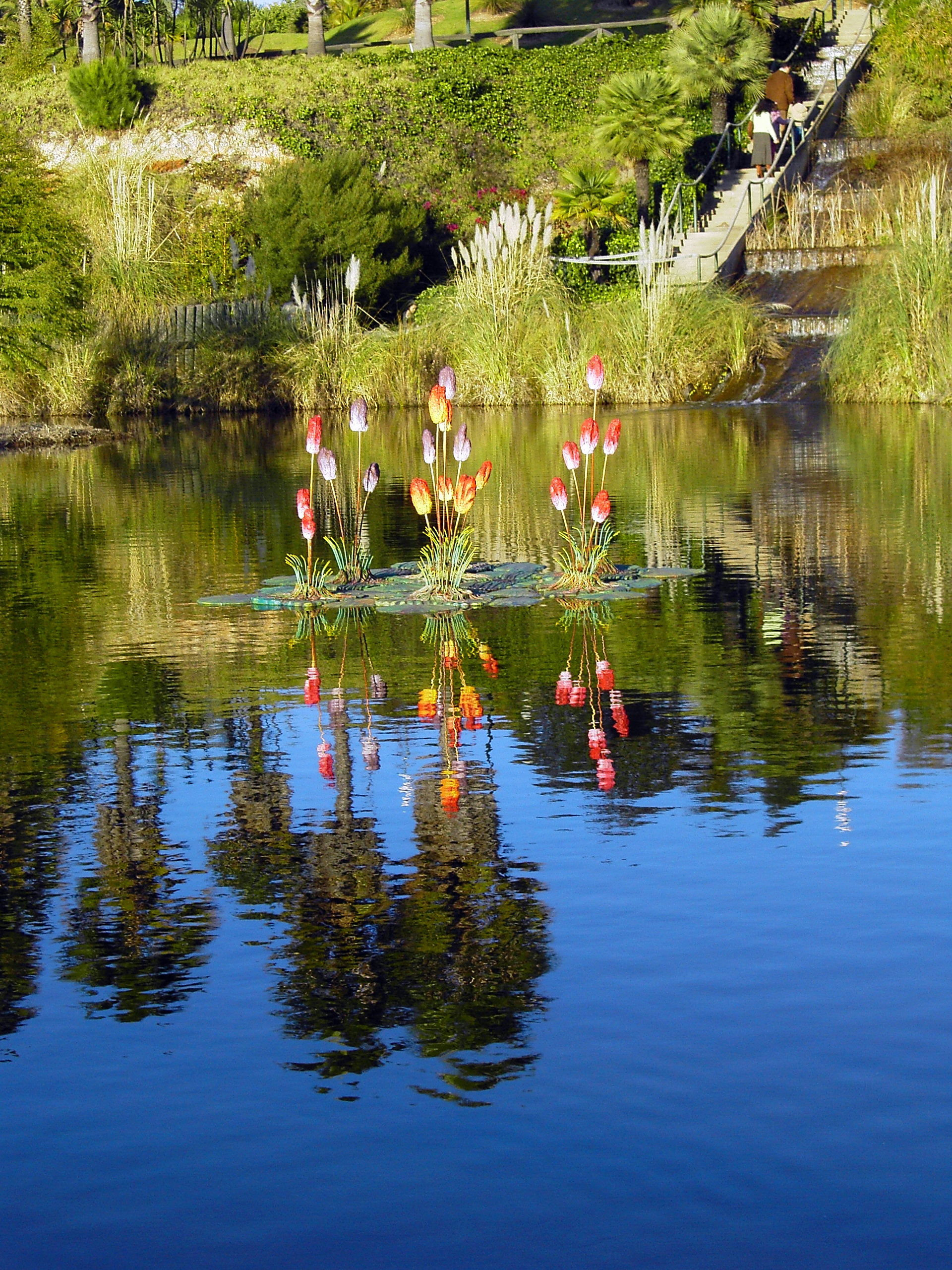
- Botanical Gardens
- Recreation and entertainment
José Celestino Mutis Botanical Park
About this place
José Celestino Mutis Botanical Park in Palos de la Frontera spreads across 12 hectares of greenery in the natural surroundings of La Rábida, in the province of Huelva, Andalusia. The park opened in March 1993 and takes its name from José Celestino Mutis, a Spanish botanist born in Cádiz who led one of the most significant scientific expeditions of the colonial era.
Why is the park named after Mutis?
For 33 years, Mutis directed a botanical expedition to the New Kingdom of Granada — present-day Colombia — carried out with the approval of King Carlos III. The expedition produced a herbarium of more than 20,000 plant species and a collection of 6,000 botanical plates, which were later sent to the Royal Botanical Garden of Madrid. The park in Palos de la Frontera echoes that legacy, linking the history of Spanish exploration in the Americas with a living display of plants from around the world.
What will you see inside?
The grounds are crossed by a network of footpaths and walking routes, along which several themed plazas are arranged, each dedicated to a different country of the Americas. Every plaza showcases plant species characteristic of that particular region, turning a walk through the park into a journey across the different climate zones and ecosystems of the American continent. Since its opening, the collection has grown steadily and today includes plants gathered from all five continents, making it one of the more varied botanical gardens in the Huelva region.
The park also offers a quieter alternative to the busier Columbus-related attractions nearby — Palos de la Frontera itself, together with neighbouring La Rábida, is closely tied to the history of the voyages to the New World.
How do you get there?
The park sits within the municipality of Palos de la Frontera, right next to La Rábida, in the province of Huelva. Arriving by car is the most convenient option, with free parking available on site. The area is well connected to central Huelva and to other landmarks linked to Columbus-era heritage, making it easy to combine a visit to the park with a stop at nearby monasteries and the historic harbour.
When is the best time to visit?
Thanks to the region's mild Mediterranean climate, the park can be visited year-round. Spring and autumn offer the most pleasant conditions for walking, with moderate temperatures and the plant collections at their most striking. In summer, it is best to plan a visit for the morning or late afternoon, avoiding the hottest hours of the day.
How long should you plan to stay?
Walking through the main paths and themed plazas typically takes between one and two hours, depending on how long visitors linger at each collection. That is generally enough time to take in most of the represented plant zones without rushing.
Frequently asked questions
Is entry to the park free? Yes, admission to the botanical park is free, as is the on-site parking.
What kind of plants can you see there? The collection includes species from all five continents, with particular emphasis on the flora of Latin American countries, each presented on its own themed plaza.
Why is the park named after José Celestino Mutis? Mutis was a Spanish botanist who spent more than three decades leading a scientific expedition to study the flora of present-day Colombia, with his collections eventually reaching the Royal Botanical Garden of Madrid.
Is the park suitable for a family visit? Yes, its flat paths, free admission and relaxed atmosphere make it a comfortable choice both for families with children and for anyone looking for a quiet break while exploring the area around Palos de la Frontera.
Nearby places

Earn badges for the places you visit
Download NextOnTrip, discover new places and check off your trails.